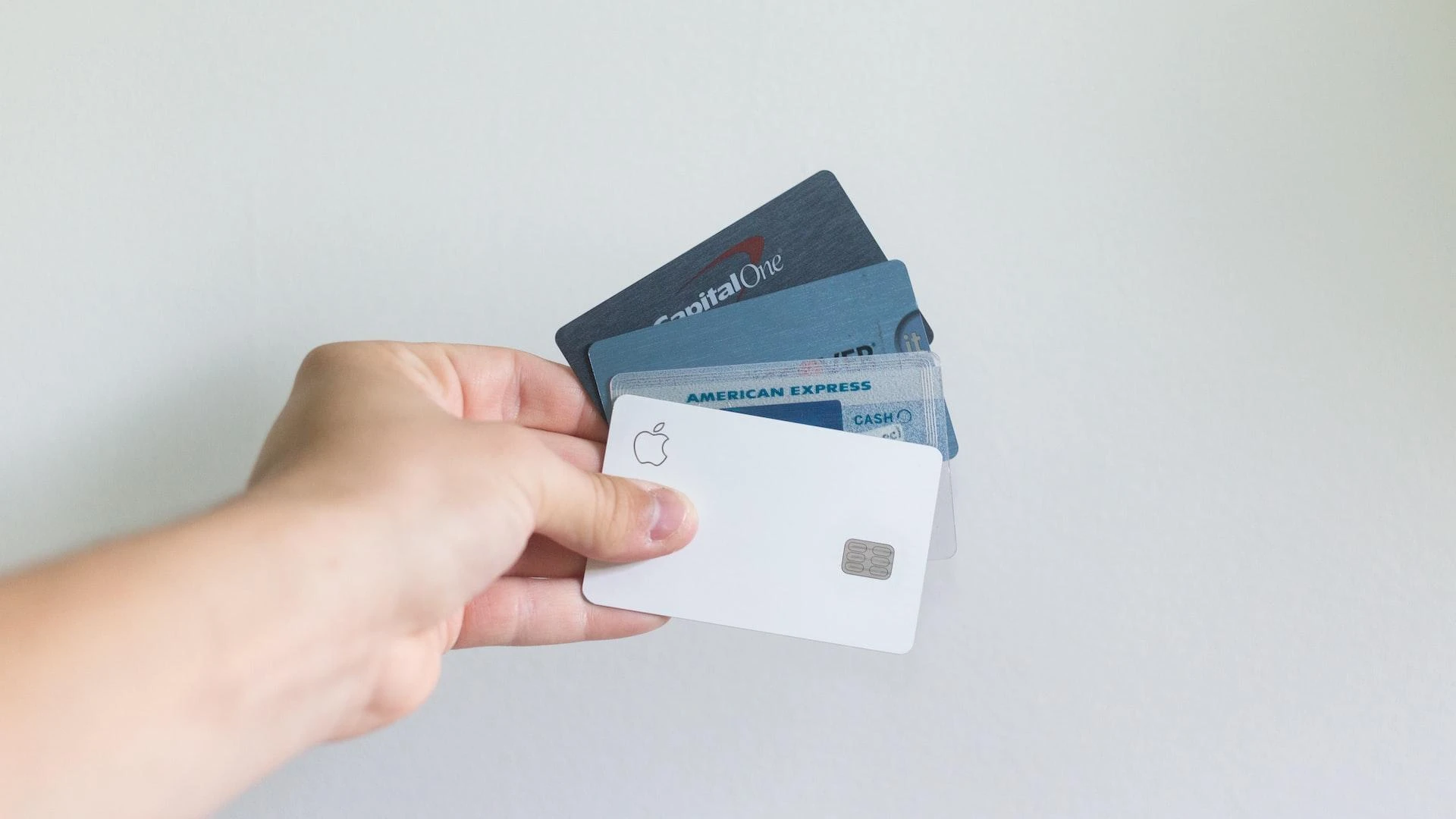

Credit card loans have become increasingly popular as a way to access money in times of need. They are often seen as an easy solution, but it's important to make sure you know exactly how much money you can borrow from your credit card company before taking one out.
For starters, it is important to understand the maximum amount that can be borrowed on a single credit card loan. This will vary based on the type of credit card and lender, but typically the limits range from $500 up to $50,000. The rate of interest and fees associated with borrowing also depend on these factors as well as your personal financial situation. Additionally, some lenders offer additional services such as balance transfers or cash advances which may increase the total amount of money that can be borrowed with a single loan.
Credit Limit & Cash Advance Amounts
When you borrow from your credit card, it is important to understand the limits on how much you can take out in cash advances. Credit cards have both a credit limit and a separate cash advance limit that is set by the card issuer. The credit limit is how much money you are allowed to charge on your account each month. The cash advance limit is an additional amount of funds you can access for immediate needs or emergencies.
Cash advances have higher interest rates than regular purchases made with a credit card, so it's important to be aware of the amounts and fees associated with taking out cash from your credit card. It's also important to research any additional fees related to getting a cash advance as some cards may require an upfront fee before the transaction takes place.
Interest Rates & Fees
Interest rates and fees can be daunting topics for anyone considering borrowing from their credit card. Credit cards are perhaps the most common form of unsecured debt, yet the terms and conditions of a credit card contract can vary wildly between lenders. To help borrowers understand their options when it comes to taking on debt from their credit cards, we're exploring interest rates, fees, and other considerations that need to be taken into account.
Understanding how interest is calculated on your borrowed balance is key when determining how much you'll ultimately pay back in total. Depending on the country you live in and your lender’s rules, interest will typically accrue daily or monthly at a fixed rate based on the prime rate plus any additional fees charged by your lender. Some lenders may also offer introductory offers with lower rates if you transfer an existing balance or take out a loan with them.
Credit Score Impact
For many people, credit scores are a mysterious and intimidating topic. However, understanding how your credit score works are critical to making smart decisions when it comes to borrowing money. Knowing the impact that your credit score has on whether or not you can borrow from your credit card will help you make the best possible decision for your financial situation.
Credit scores range anywhere from 300-850 and are determined by various factors such as payment history, the amount owed, and length of credit history. Generally speaking, a good credit score is anything above 700 while poor scores are considered anything below 600. Banks use these scores to evaluate how much risk they assume when lending money – higher scores usually mean lower interest rates on loans or better chances at being approved for a loan in general.
Benefits of Borrowing from a Credit Card Company
In today's economy, borrowing from a credit card company can offer many advantages. Whether you need to purchase a large item or just want to pay off an emergency expense, the ability to borrow from your credit card company can be incredibly helpful. Having access to additional funds quickly and easily may be one of the primary benefits associated with this type of borrowing.
First and foremost, it is important to remember that borrowing from a credit card company can allow you access to funds without having to take out a loan with a bank or other lending institution. This is especially convenient for those who don't want the hassle of applying for a loan and going through all of the paperwork involved. Additionally, it allows you to avoid any potential rejection from traditional lenders due to bad credit scores or other factors.
For one, borrowing using your credit card often comes with much lower interest rates than traditional loans do. Secondly, if you choose to use a 0% introductory APR offer on your credit card, then you won't pay any interest at all while repaying the borrowed amount. Furthermore, having access to extra cash when needed can help cover unexpected expenses or even help build up emergency funds for future events.
Drawbacks to Consider
Borrowing from a credit card company is an easy way to access cash in an emergency or cover expenses if you don’t have enough money. However, it is important to understand the drawbacks associated with accessing funds through your credit card before taking this loan option.
The most significant issue related to borrowing from a credit card is the high-interest rate attached to such transactions. Credit cards typically have higher interest rates than most other loan options, so any amount you borrow will end up costing more in the long run due to all the fees and penalties associated with this type of borrowing. Additionally, banks may impose additional charges on top of the interest rate for things like late payments and cash advances.
This means that if you don’t pay off the balance in full and on time each month, you will end up paying more in interest over time. Additionally, when borrowing against your credit card, any missed payments will be reported to the major credit bureaus and could negatively affect your score.

























Sign in to leave a comment.