
Introduction:
Undergoing knee replacement surgery is a significant decision, marked by hopes for improved mobility and reduced pain. In recent years, technological advancements have introduced robotic assistance to this procedure, promising greater precision and faster recovery times. In destinations like Dubai, where medical tourism thrives, individuals seek the expertise of the best orthopaedic surgeons to ensure optimal outcomes for procedures such as knee replacements.
Understanding the Recovery Process:
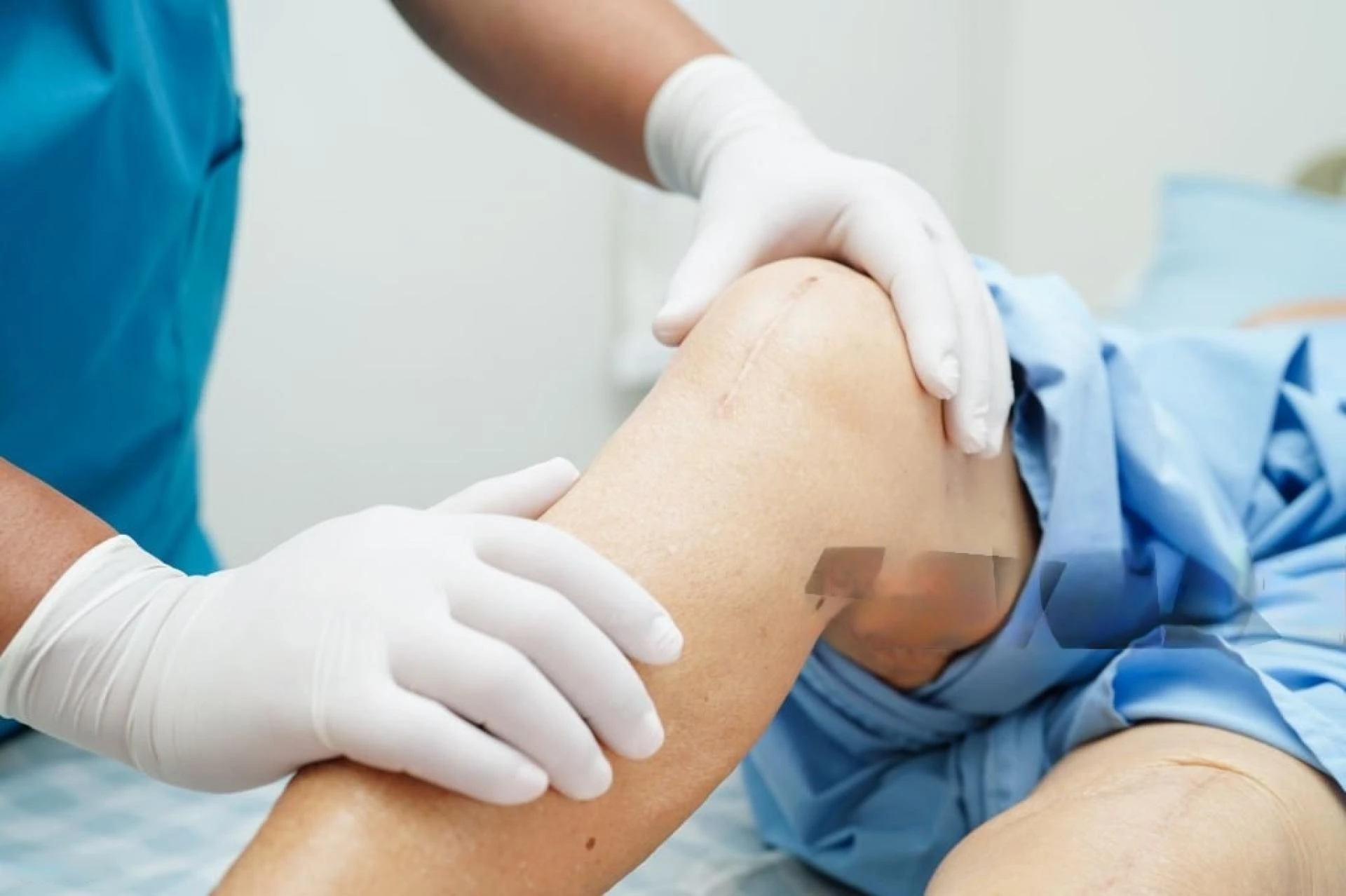
Recovery from robotic knee replacement surgery is a multifaceted journey, influenced by various factors including preoperative health, surgical technique, and postoperative care. Typically, the initial days after surgery are spent in the hospital under medical supervision, where pain management and physical therapy commence. The duration of hospital stay may vary but usually ranges from one to three days, depending on individual progress.
Early Days Post-Surgery:
During the early phase of recovery, patients gradually regain mobility with the aid of walking aids and adhere to prescribed exercises to strengthen the knee and surrounding muscles. Pain management remains a priority, often utilizing a combination of medications and non-pharmacological interventions. While discomfort is expected, it should gradually subside as the body adjusts to the implanted prosthesis.
Physical Therapy and Rehabilitation:
As patients transition from the hospital to home, the focus shifts to outpatient physical therapy sessions. These sessions are tailored to individual needs, aiming to restore range of motion, improve strength, and enhance overall function. The duration and intensity of physical therapy vary for each patient, guided by their progress and goals for recovery.
Returning to Daily Activities:
The timeline for returning to daily activities post-robotic knee replacement surgery is influenced by several factors, including the individual\'s overall health, adherence to rehabilitation protocols, and the nature of their occupation. While some may resume light activities within a few weeks, others may require more time for full recovery, especially for strenuous tasks or sports.
Long-Term Outlook:
The benefits of robotic knee replacement surgery extend beyond immediate postoperative recovery. Patients often experience improved joint function, reduced pain, and enhanced quality of life in the long term. However, commitment to ongoing maintenance, including regular exercise and follow-up appointments with the orthopaedic surgeon, is essential to ensure the longevity of the prosthetic joint.
The Role of Dr. Dhawal Bakhda:
In Dubai, where knee replacement surgery is sought after by locals and medical tourists alike, Dr. Dhawal Bakhda stands out as a leading orthopaedic surgeon renowned for his expertise in robotic-assisted procedures. With a dedication to personalized care and a commitment to leveraging cutting-edge technology, Dr. Bakhda guides patients through every step of their recovery journey, from preoperative consultations to postoperative rehabilitation.
Conclusion:
Recovery from robotic knee replacement surgery is a gradual process that requires patience, dedication, and expert guidance. While the journey may present challenges, the prospect of restored mobility and improved quality of life is worth the effort. In destinations like UAE, where knee replacement surgery is performed by top-tier orthopaedic surgeon in Dubai such as Dr. Dhawal Bakhda, patients can find reassurance in knowing they are in capable hands, setting the stage for a successful recovery and a brighter future ahead.











Sign in to leave a comment.