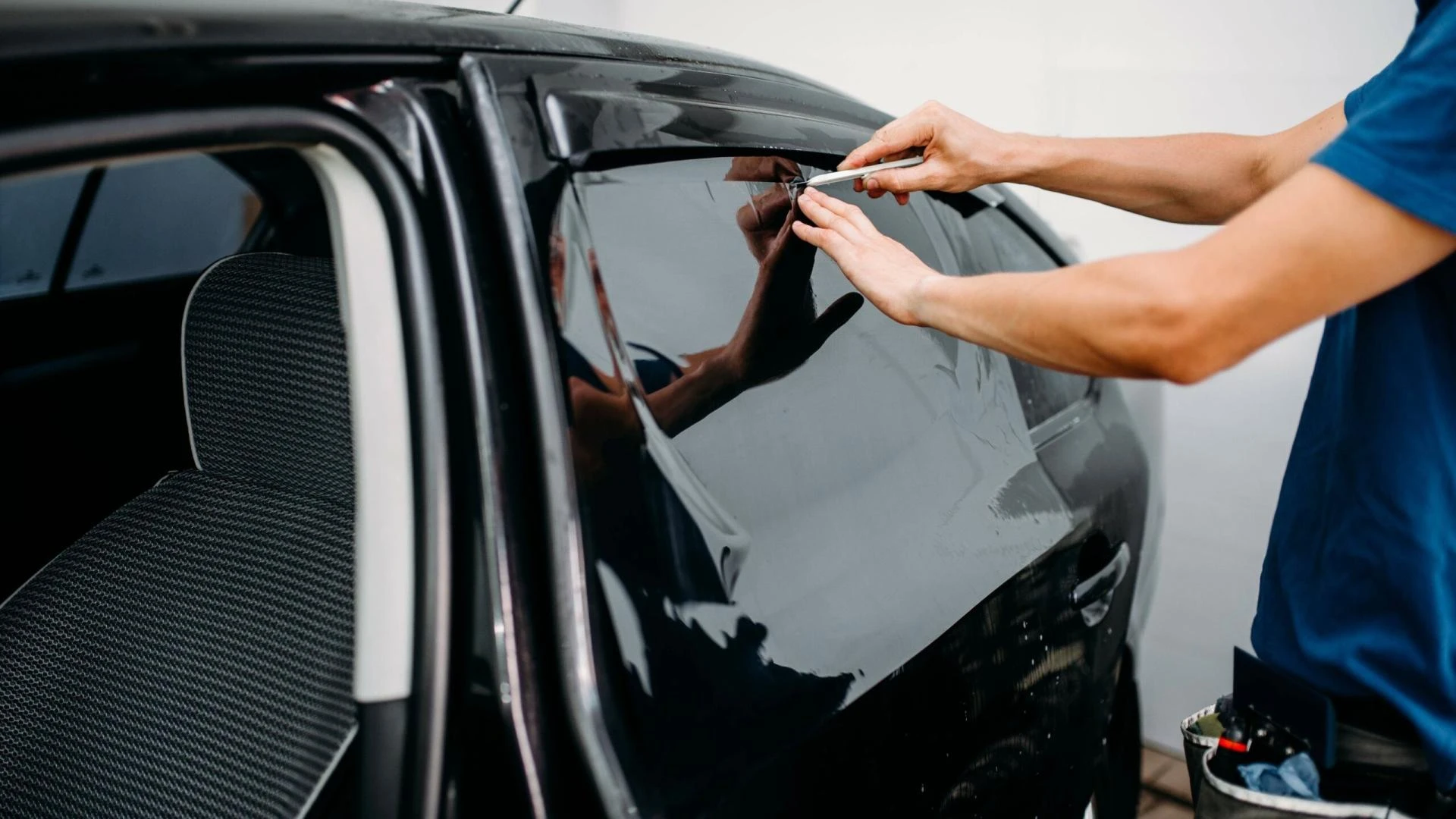

Car window tinting is a popular automotive enhancement that offers numerous benefits beyond just aesthetics. In this comprehensive guide, we will delve into the advantages of window tinting, explore the different types of tinting films available, discuss the factors influencing tinting time, compare professional and DIY tinting options, provide tips on preparing your car for the process, explain the steps involved in tinting, estimate the time required, and highlight crucial aspects such as curing and drying time. Additionally, we will offer tips on maintaining your tinted windows for prolonged durability.
1. Benefits of Car Window Tinting:
Car window tinting goes beyond enhancing the visual appeal of your vehicle. It provides numerous advantages, including:
UV Ray Protection:
Tinted windows can block harmful UV rays, protecting the vehicle's interior and occupants from sun damage. UV rays are known to cause fading and deterioration of upholstery, dashboard, and other interior components over time. By blocking these rays, tinted windows help preserve the aesthetics and value of your vehicle, ensuring a longer lifespan for the interior surfaces and a more comfortable driving experience.
Heat Reduction:
Tinted windows can significantly reduce the interior temperature by blocking out some of the sun's heat. This heat reduction not only enhances the comfort of occupants by creating a cooler interior environment but also contributes to the efficiency of the vehicle's air conditioning system. By minimizing the influx of solar heat, tinted windows aid in maintaining a more consistent and pleasant temperature inside the car, particularly during hot and sunny days.
Privacy:
Tinted windows offer enhanced privacy by limiting the visibility into the car. This added level of privacy is especially beneficial when parked or driving in busy areas, shielding occupants from prying eyes and deterring potential theft. Tinted windows provide a sense of seclusion, allowing individuals within the vehicle to enjoy a more private and secure space while on the road.
Glare Reduction:
The tinting reduces glare from the sun and headlights, improving overall visibility and safety. By minimizing glare, tinted windows contribute to safer driving conditions, reducing eye strain and enhancing visibility, particularly during sunrise, sunset, or when facing oncoming headlights at night. This improvement in visual clarity translates to a more comfortable and secure driving experience, ultimately promoting road safety for both the vehicle occupants and others on the road.
Enhanced Security:
Tinted windows can deter theft by obscuring the view of valuable items inside the car. The obscurity provided by tinted windows adds an extra layer of security by preventing potential thieves from easily identifying valuable belongings within the vehicle. This deterrent effect can discourage opportunistic thefts, safeguard personal belongings, and contribute to an overall sense of security for car owners.
2. Types of Window Tinting Films:
Before diving into the tinting process, it's essential to understand the various types of window tinting films available. Common options include:
Dyed Film:
Offers a non-reflective appearance and helps absorb heat. A dyed film is a cost-effective option for those seeking a sleek and matte finish, providing not only a non-reflective appearance but also effective absorption of solar heat, contributing to a cooler interior.
Metalized Film:
Provides excellent heat rejection and durability. The metalized film, with its layered construction containing metallic particles, not only ensures exceptional heat rejection but also offers increased durability, making it a resilient choice for long-term window tinting solutions.
Hybrid Film:
Combines elements of dyed and metalized films for a balanced performance. Hybrid film strikes a harmonious balance, incorporating features from both dyed and metalized films, resulting in a window tint that offers a well-rounded performance, including effective heat rejection and a visually appealing finish.
Carbon Film:
Known for its sleek appearance and superior heat rejection without interfering with electronic signals. Carbon film stands out for its modern and sleek aesthetic, while its unique composition allows for superior heat rejection without compromising electronic signals, making it an ideal choice for those seeking both style and functionality in their window tinting.
Ceramic Film:
Offers top-tier heat rejection and UV protection with minimal interference to signals. The ceramic film, renowned for its advanced technology, provides unparalleled heat rejection and UV protection, all while ensuring minimal interference with electronic signals, making it the premium choice for those prioritizing optimal performance and clarity in their window tinting.
3. Factors Affecting Tinting Time:
The time required for car window tinting can vary based on several factors:
Type of Film:
Different films may have varying installation complexities, affecting the overall time. Selecting the type of film plays a crucial role in the tinting process, as the installation complexities can vary, influencing the overall time required for a precise and effective application.
Car Size:
Larger vehicles may require more time for tinting than smaller ones. The size of the vehicle is a determining factor, with larger vehicles having more windows to tint, potentially extending the overall tinting time as each window requires careful measurement and application.
Experience of the Installer:
Professional installers tend to work more efficiently than beginners. The expertise of the installer is a critical factor, as seasoned professionals bring a higher level of skill and efficiency to the tinting process, often resulting in a quicker and more precise application compared to less experienced individuals.
Curing Time:
The type of film used and environmental conditions can impact the curing time. The curing time, essential for the film to fully adhere and achieve optimal performance, varies based on factors such as film type and environmental conditions, emphasizing the importance of patience during this crucial phase for long-lasting window tinting results.
4. Professional vs. DIY Tinting:
Deciding between professional and DIY tinting depends on your skill level, available time, and budget. Professional installers often guarantee a high-quality finish, but DIY kits are more budget-friendly.
5. Preparing Your Car for Window Tinting:
Proper preparation is crucial for a successful tinting job. Clean your windows thoroughly, both inside and out, to ensure a smooth and lasting application.
6. The Tinting Process:
The actual tinting process involves meticulous steps, including measuring and cutting the film, applying it to the windows, and smoothing out any air bubbles or imperfections.
7. Estimated Time for Car Window Tinting:
On average, professional car window tinting can take anywhere from 2 to 4 hours. DIY projects may take longer, depending on your experience level and the complexity of the job.
8. Curing and Drying Time:
After the tinting process, the film requires time to cure and adhere properly. This can take anywhere from a few days to a couple of weeks, depending on the type of film and environmental conditions.
9. Tips for Maintaining Tinted Windows:
To ensure the longevity of your tinted windows, follow these maintenance tips:
Avoid rolling down the windows for a few days after installation.Clean the windows with a mild, non-ammonia-based cleaner.Use a soft microfiber cloth to prevent scratches.Avoid abrasive materials or harsh chemicals that could damage the film.
Conclusion:
Car window tinting is a valuable investment with a multitude of benefits. Whether you opt for professional installation or a DIY approach, understanding the process and considering the factors that influence tinting time will help you make an informed decision. Proper maintenance is key to preserving the integrity of your tinted windows over time.
FAQs
1. Can I wash my car immediately after window tinting?
It's advisable to wait at least a few days before washing your car after window tinting to allow the film to cure properly.
2. Can I roll down my windows right after tinting?
It's best to avoid rolling down your windows for a few days after tinting to ensure the film adheres properly.
3. How long does it take for the tint to fully cure?
The curing time can vary, but it generally takes a few days to a couple of weeks for the tint to fully cure, depending on environmental conditions.
4. Can I install window tinting myself?
DIY window tinting is possible with the right tools and instructions. However, professional installation often ensures a more precise and long-lasting result.










Sign in to leave a comment.