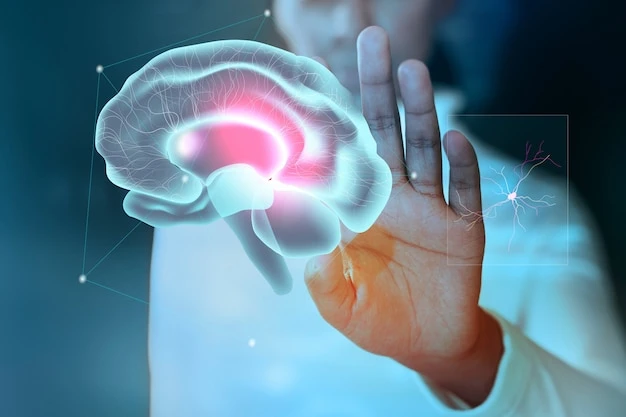
The human brain is a complex organ, with billions of neurons working harmoniously to control our thoughts, emotions, and actions. However, this intricate network is not always functioning optimally, leading to various mental health issues and cognitive challenges. Neurofeedback therapy, a cutting-edge approach in the field of neuroscience and psychology, offers a promising way to rewire the brain and address these issues.
Understanding Neurofeedback Therapy
Neurofeedback therapy, often referred to as EEG (electroencephalogram) biofeedback, is a non-invasive technique that helps individuals gain greater control over their brain activity. It is based on the standard of operant conditioning, where the brain is trained to regulate its electrical patterns for improved functioning.
This therapy involves real-time monitoring of brainwave activity through electrodes placed on the scalp. The data collected is then fed back to the individual in the form of visual or auditory cues, allowing them to observe and learn from their brain's activity patterns.
The primary goal of neurofeedback therapy is to help individuals achieve a more balanced and optimal brain state. The therapy encourages the brain to make adaptive changes and self-regulate by providing immediate feedback. Over time, these changes can lead to improvements in various cognitive and emotional aspects, such as attention, mood, and behavior.
How Neurofeedback Therapy Works
Neurofeedback therapy In Denver operates on the principle of neuroplasticity, which is the brain's capability to reorganize itself by making new neural connections through life. It recognizes that the brain can adapt and change, even in adulthood, in response to learning and experience. Here is a step-by-step breakdown of how neurofeedback therapy works:
Assessment: The therapy begins with an assessment where electrodes are placed on specific areas of the scalp to record the individual's baseline brainwave activity. This initial assessment helps identify any irregularities or imbalances in brain function.Feedback Session: During the therapy session, the individual is connected to a neurofeedback system that monitors their brainwave activity continuously. This data is then processed and presented to the individual in real-time through visual or auditory feedback, such as images on a computer screen or sound tones.Learning and Training: The individual is tasked with consciously manipulating their brainwave activity to achieve the desired patterns, which are often associated with improved cognitive or emotional functioning. For example, if someone is seeking relief from anxiety, they may work on increasing their brainwave activity in the calm and focused frequency ranges.Reinforcement: Positive feedback, such as rewards or auditory cues, is provided when the individual successfully reaches the target brainwave pattern. This reinforcement encourages the brain to replicate the desired activity.Long-Term Benefits: With consistent training and practice, individuals can experience lasting improvements in their cognitive and emotional functioning. Neurofeedback therapy aims to create lasting changes in the brain's neural pathways, promoting healthier and more adaptive patterns of thinking and feeling.Conditions and Applications
Neuro therapy in Denver has shown promise in addressing various conditions and enhancing various aspects of brain function. Here are some of the key areas where neurofeedback has been applied:
Attention Deficit Hyperactivity Disorder (ADHD):Neurofeedback therapy is often used to help individuals with ADHD improve their focus, attention, and impulse control. By training the brain to maintain specific brainwave patterns associated with concentration, individuals with ADHD can experience reduced symptoms and better academic or occupational performance.Anxiety and Depression: For individuals dealing with anxiety or depression, neurofeedback therapy offers a non-pharmacological approach to managing these conditions. By promoting relaxation and reducing overactive brainwave patterns associated with anxiety or depression, individuals can experience improved mood and reduced symptoms.Post-Traumatic Stress Disorder (PTSD): PTSD can lead to chronic nervous system hyperarousal. Neurofeedback therapy helps individuals with PTSD regain control over their emotional responses by training the brain to regulate its stress-related patterns, ultimately reducing the severity of symptoms.Autism Spectrum Disorders (ASD): Some studies have explored neurofeedback in children with ASD to improve social interactions, communication skills, and emotional regulation. While more research is needed, preliminary findings suggest that neurofeedback may be a valuable adjunct therapy for some individuals with ASD.Insomnia and Sleep Disorders:Neurofeedback therapy can help individuals struggling with sleep disorders by training the brain to enter a relaxed and restful state conducive to sleep. It can be particularly beneficial for those with insomnia or sleep-onset difficulties.Traumatic Brain Injury (TBI): Individuals recovering from a traumatic brain injury can benefit from neurofeedback therapy to support brain healing and cognitive rehabilitation. It can aid in restoring lost cognitive functions and speeding up the recovery process.Conclusion
Neurofeedback therapy is a remarkable and evolving field that allows individuals to actively rewire their brains for improved mental health and cognitive functioning. While neurofeedback therapy in Denver is not a panacea and may not be suitable for everyone, it represents a promising frontier in understanding and optimizing the human brain. Ultimately, neurofeedback therapy holds the potential to empower individuals with the tools they need to enhance their cognitive abilities, manage their emotions, and lead healthier, more fulfilling lives.











Sign in to leave a comment.