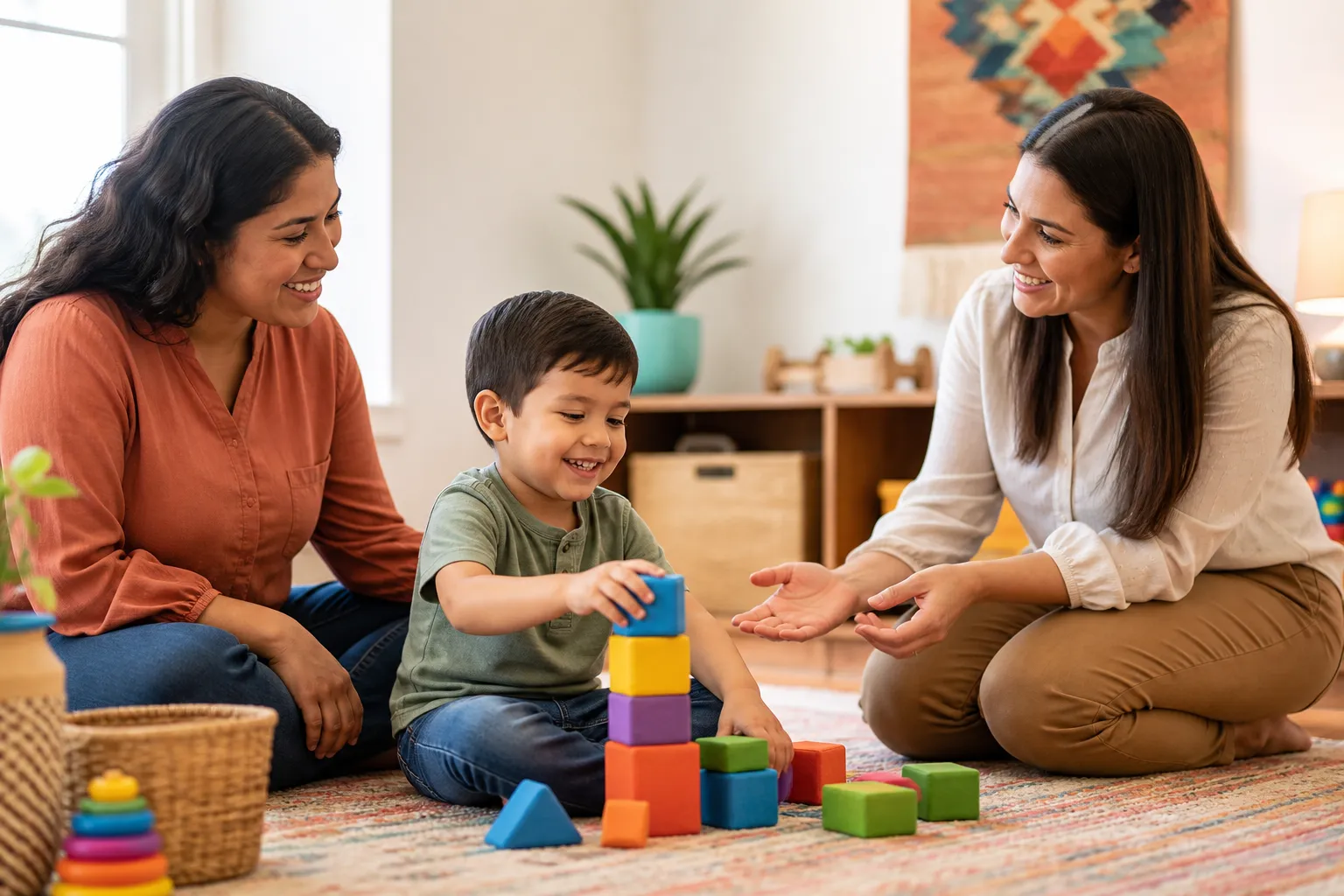

Social development is one of the areas where children with autism often face their greatest challenges, and it is also one of the areas where ABA therapy can make a meaningful difference. For families in New Mexico, understanding how ABA programs approach social skills can help set realistic expectations and identify what to look for in a quality provider.
The Social Skills Targeted in ABA Therapy
ABA programs approach social development systematically, breaking down broad goals like "making friends" into specific, teachable components. A child might work on making eye contact when someone speaks to them, responding to their name, taking turns during a game, or initiating greetings with familiar adults. For older children, goals might include reading social cues, entering a group conversation, or recognizing when a peer is upset.
The skills targeted are chosen based on the child's current functioning level and the social environments where they spend time. A child in a preschool classroom has different social demands than a child in a mainstream elementary school setting. ABA providers develop goals that are relevant to the child's actual daily life rather than generic lists of social behaviors.
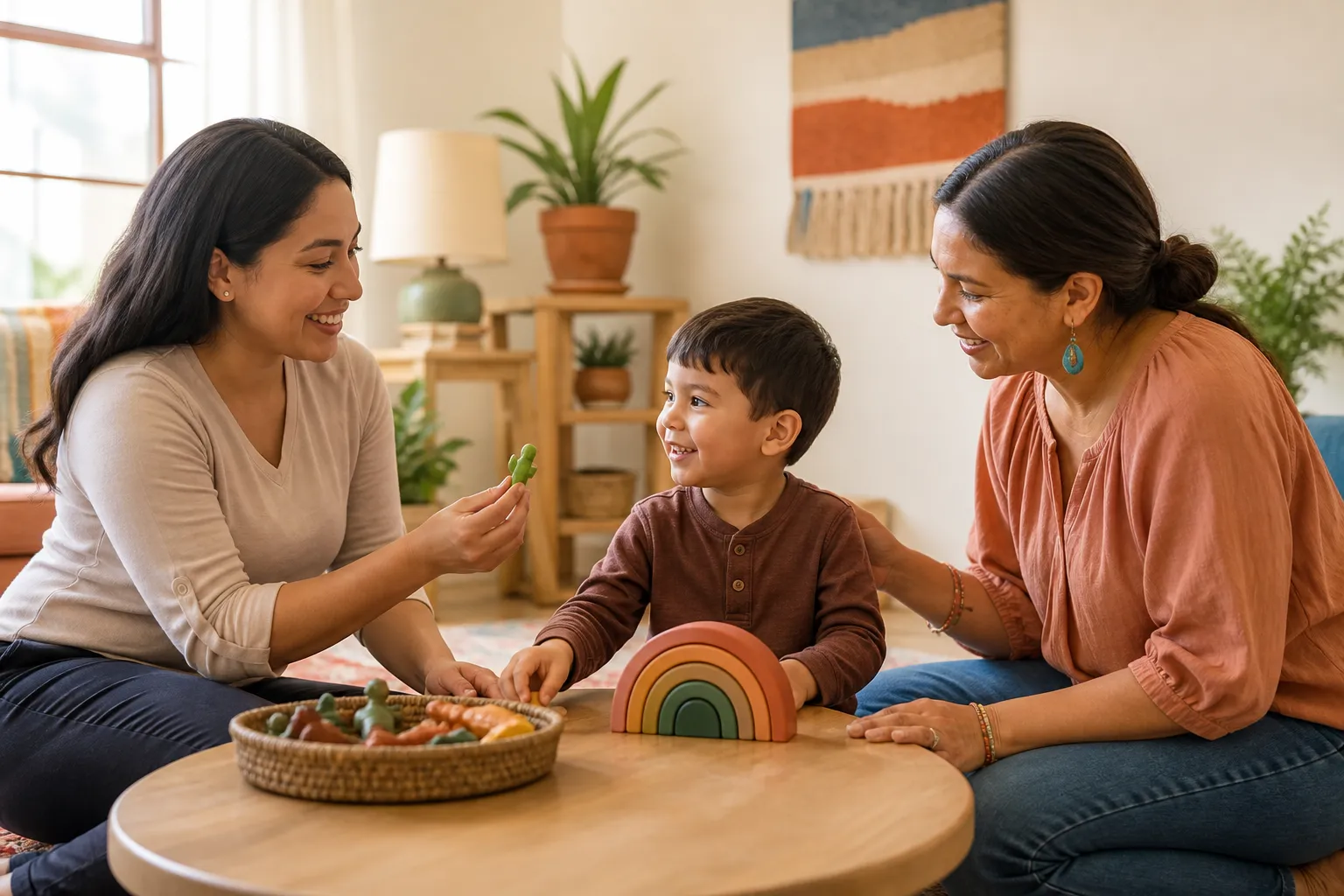
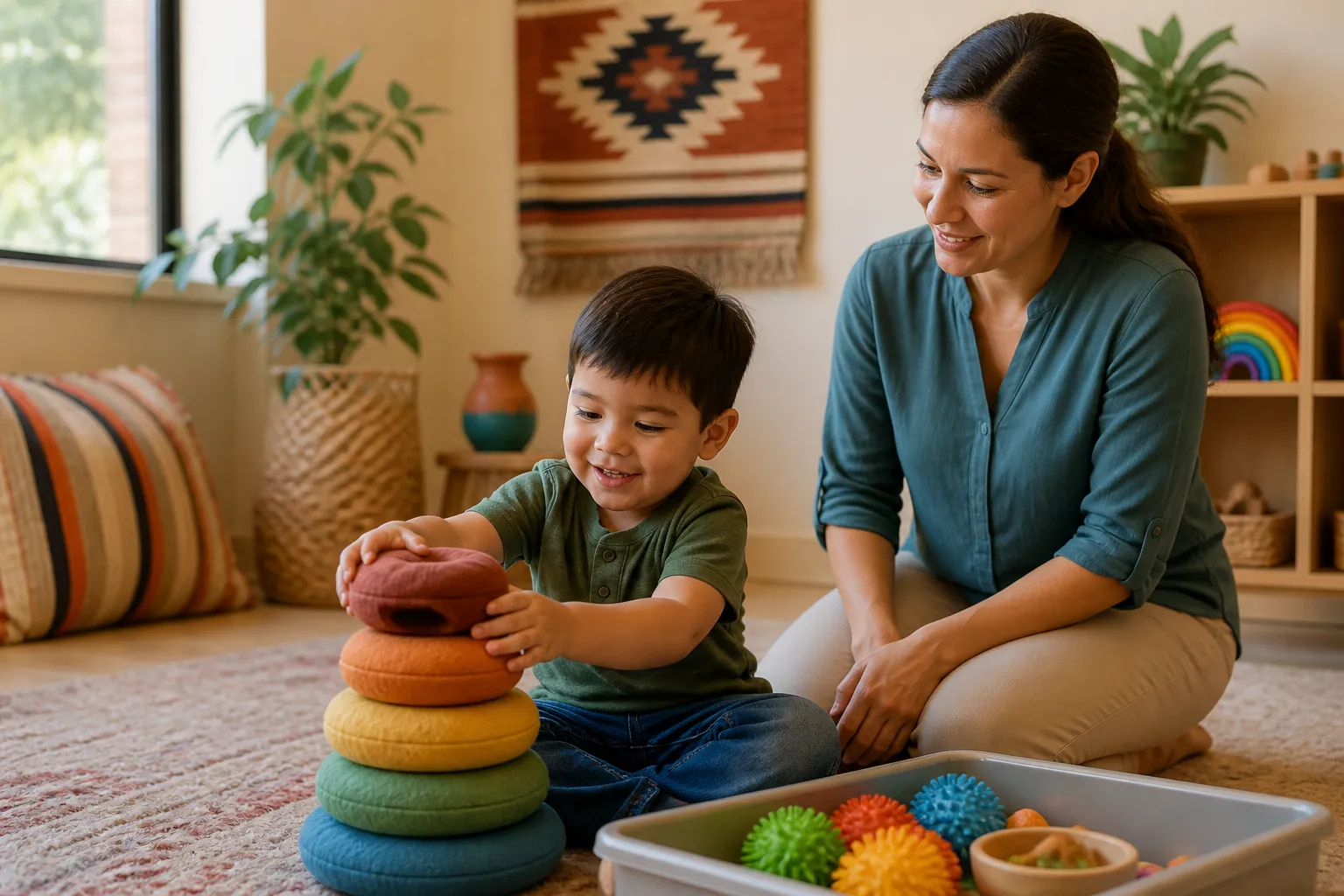
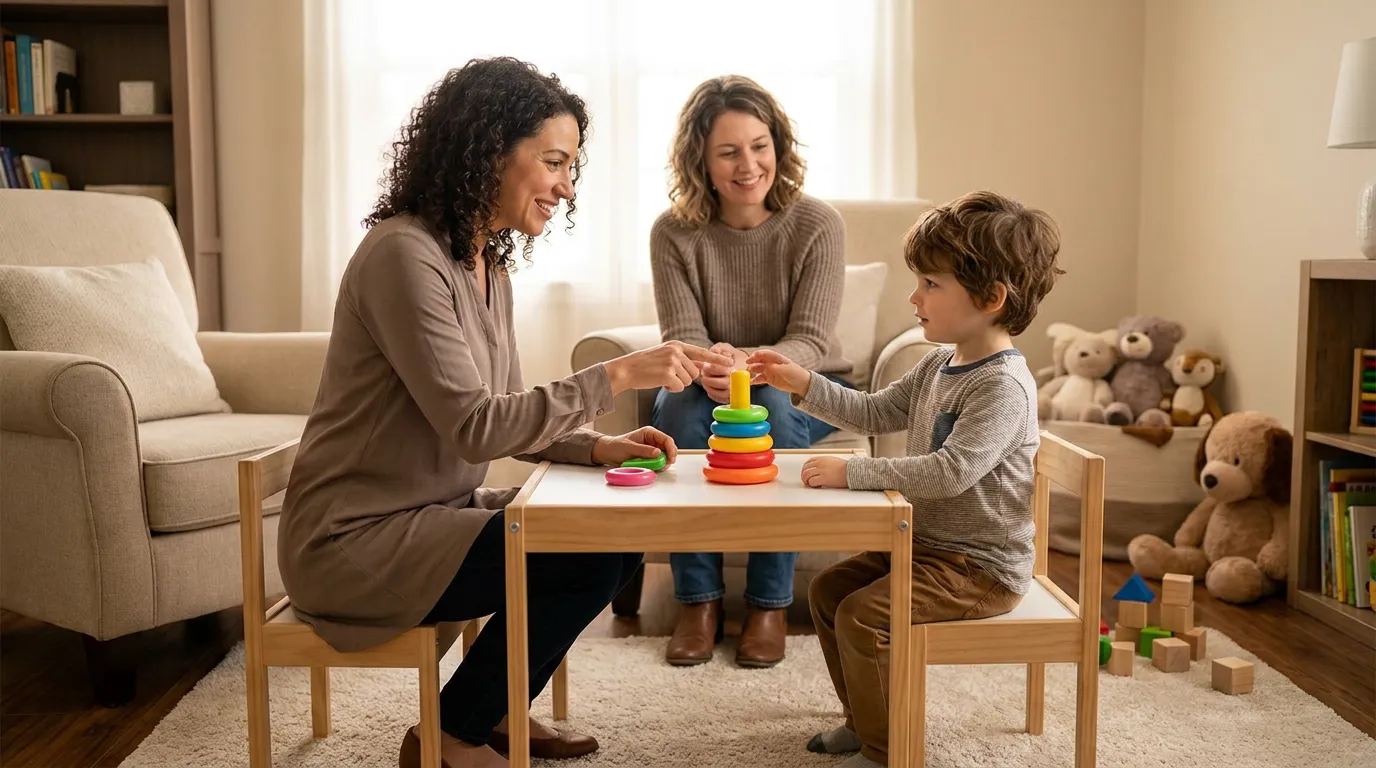
Play skills are often closely linked to social development in ABA programming. Learning to play alongside another child, sharing materials, and engaging in pretend play are all social behaviors that can be directly taught using ABA techniques. For many children, improving play skills opens doors to more complex peer interactions that were previously out of reach.
Families who want to learn more about how social development is addressed in ABA can visit Perfect Pair ABA to explore service options and speak with clinicians about how goals are individualized for each child's social environment and stage of development.
How Social Skills Are Practiced and Generalized
Learning a social skill in a one-on-one therapy session is the beginning, not the end. ABA programs use a variety of formats to help children practice skills in increasingly naturalistic conditions. Structured play groups, where small numbers of children practice targeted social behaviors with clinical support, are a common format. Social narratives and video modeling are also used to help children understand and rehearse expected behaviors in various contexts.
Generalization is always the goal. Skills learned in a clinic setting need to transfer to the school cafeteria, the neighborhood park, and family gatherings. This is why caregiver training in social skill support is so important. Parents and siblings can create natural opportunities at home for the child to practice skills like waiting for a turn, joining in a sibling's game, or asking for help from a peer rather than an adult.
School coordination is another important piece. Many ABA providers in New Mexico communicate with a child's special education team to ensure that the skills being targeted in therapy align with the social expectations of the school environment. This coordination can reduce confusion for the child and strengthen the link between clinical and educational goals.
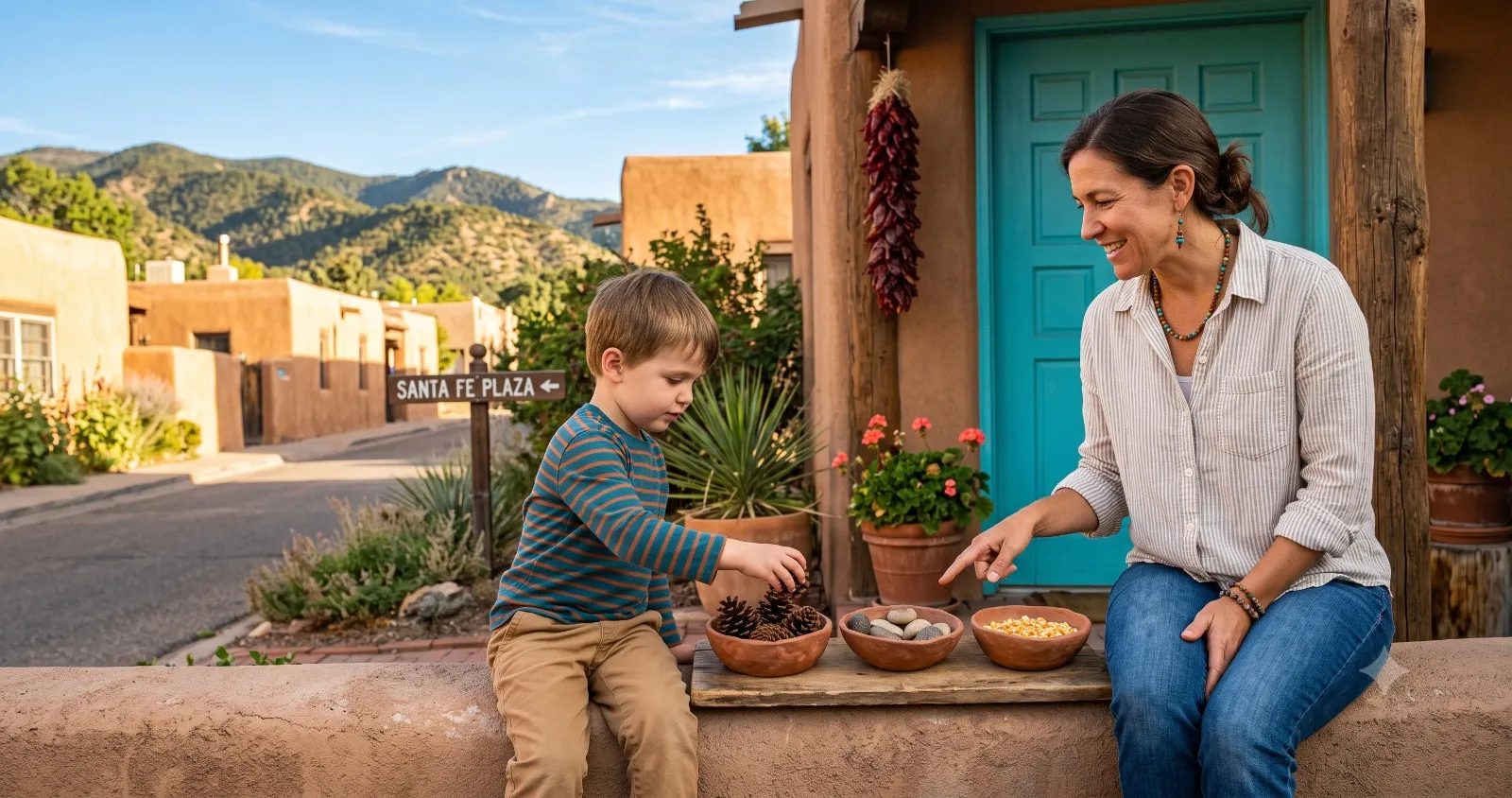
Social development takes time, and progress is rarely linear. But with consistent support across home, school, and therapy settings, children with autism in New Mexico can develop real social connections and the skills to maintain them in the communities where they live and learn.
























Sign in to leave a comment.