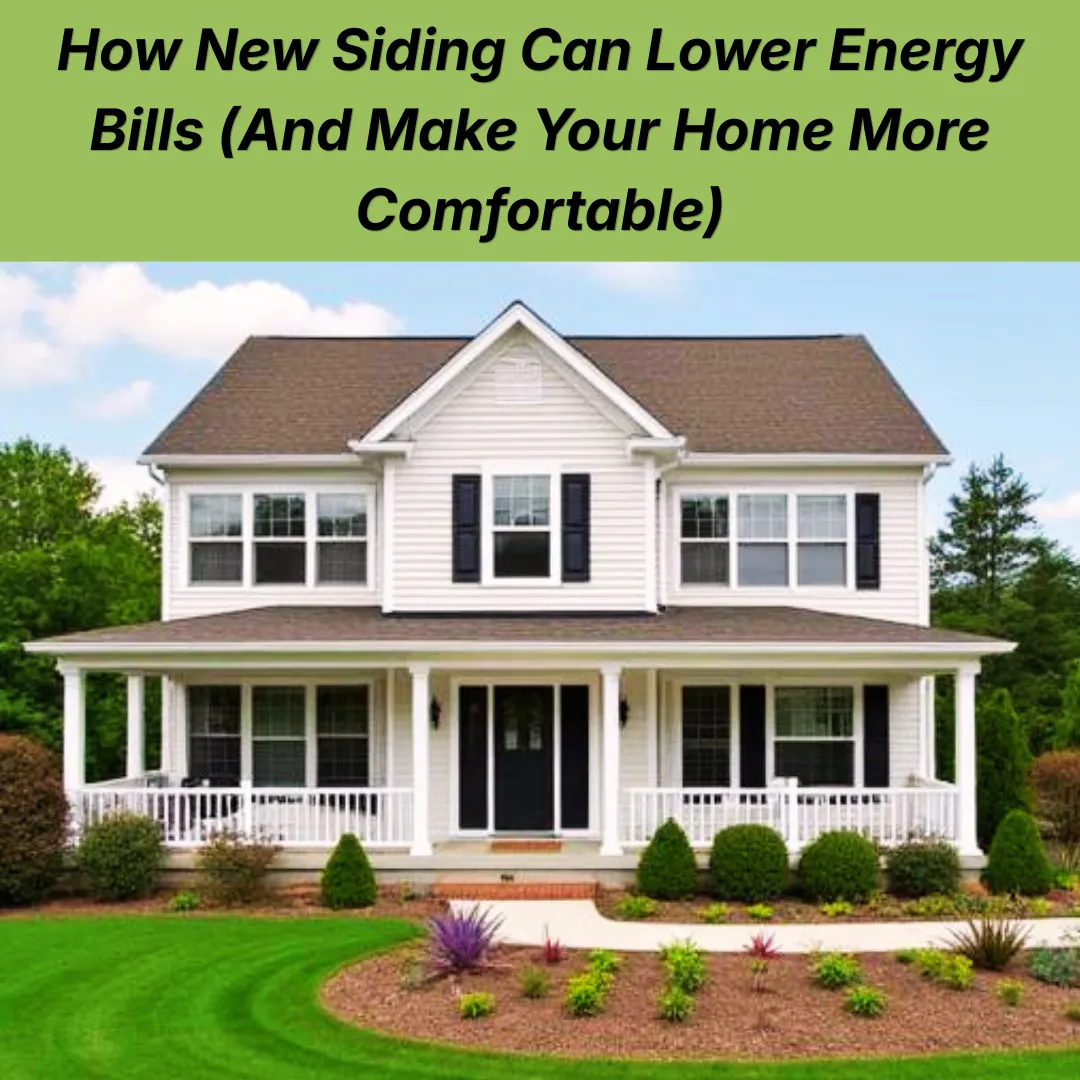

After working on homes across New Jersey, I’ve learned that many homeowners overlook one of the biggest factors affecting their energy bills: siding. Most people think rising heating and cooling costs are only related to HVAC systems or insulation in the attic. While those play a role, your home’s exterior siding is just as important when it comes to maintaining indoor comfort and energy efficiency.
Your home’s siding works like an outer barrier, shielding the structure from weather, moisture, and external damage. It helps keep outside air from entering and indoor air from escaping. When siding is in good condition, it supports a stable indoor environment. But when it starts to wear out, your home becomes vulnerable to air leaks, moisture issues, and temperature fluctuations.
How Old Siding Increases Energy Bills?
As siding ages, it begins to lose its effectiveness. Cracks, gaps, and loose panels create openings where air can easily pass through. During winter, warm air escapes from your home, forcing your heating system to work harder. In summer, hot air enters, making your cooling system run longer than necessary.
I’ve worked on many homes where homeowners complained about uneven temperatures in different rooms. In most cases, the problem wasn’t just insulation or HVAC. It was a failing siding allowing constant air exchange. This leads to higher utility bills and reduced comfort throughout the house.
Moisture is another issue that comes with old siding. When water gets behind the panels, it can damage insulation and reduce its ability to regulate temperature. Wet insulation is far less effective, which means your home loses even more energy.
Why New Siding Makes a Noticeable Difference?
Upgrading your exterior is one of the most effective ways to improve energy efficiency. Modern materials are designed to provide better insulation, tighter sealing, and improved durability. This combination helps maintain a consistent indoor temperature regardless of the weather outside.
Working with reliable siding contractors in New Jersey ensures that the installation is done correctly and includes proper insulation and weather barriers. A professional approach makes sure your home is fully sealed and protected, which directly impacts energy savings.
Improved Insulation for Year-Round Comfort
New siding systems often include insulated panels or allow for the addition of high-performance insulation underneath. This creates an extra layer of protection that helps regulate indoor temperatures. In winter, heat stays inside longer. In summer, cool air remains trapped indoors.
This improved insulation doesn’t just lower energy bills. It helps create a more pleasant and consistent indoor living environment. You’ll notice fewer drafts, more consistent room temperatures, and less strain on your heating and cooling systems.
Reducing the Workload on Your HVAC System
When your home is properly sealed and insulated, your HVAC system doesn’t have to work as hard. This leads to lower energy consumption and fewer breakdowns over time. Many homeowners don’t realize that inefficient siding can shorten the lifespan of their heating and cooling equipment.
By upgrading your siding, you’re not only saving on monthly bills but also protecting one of the most expensive systems in your home. Reduced workload means fewer repairs and longer-lasting performance.
Protection Against Moisture and Air Leaks
Modern siding is designed to keep moisture out while still allowing proper ventilation. This balance is essential for maintaining a healthy home. By preventing water from entering and reducing air leaks, new siding protects both your structure and your indoor environment.
Proper installation also includes weather-resistant barriers that act as an additional shield against the elements. These layers work together to ensure your home remains dry, efficient, and comfortable throughout the year.
Long-Term Savings That Add Up
While new siding requires an upfront investment, the long-term savings are significant. Lower energy bills, reduced maintenance, and fewer repairs all contribute to a strong return on investment. Many homeowners also see an increase in property value after upgrading their siding.
In today’s market, energy-efficient homes are more attractive to buyers. New siding not only improves performance but also enhances curb appeal, making your home stand out.
Final Thoughts
If your energy bills have been climbing or your home doesn’t feel as comfortable as it should, your siding could be part of the problem. Old or damaged siding allows air and moisture to enter, reducing efficiency and increasing costs.
Upgrading to modern siding is one of the smartest improvements you can make. It enhances comfort, lowers energy bills, and protects your home from long-term damage. With the right materials and proper installation, you’ll enjoy a more efficient and comfortable living space for years to come.





















Sign in to leave a comment.