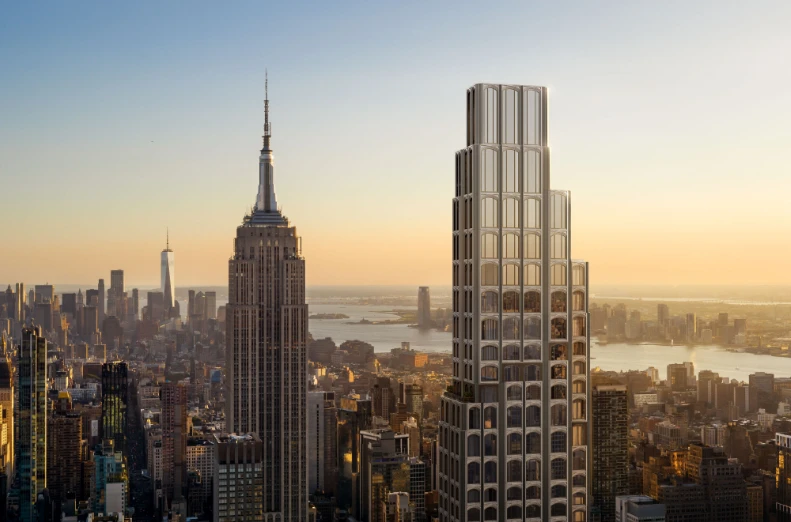

New York City, the cultural and financial capital of the world, has long been synonymous with luxury. From the iconic brownstones of Brooklyn to the gleaming skyscrapers of Manhattan, the city has attracted real estate developers with visions of grandeur. Over the past decade, however, a wave of NYC luxury real estate developers has taken urban living to new heights - literally and figuratively - by reimagining what it means to live in one of the most vibrant, dynamic cities in the world.
From transforming entire neighbourhoods to integrating cutting-edge technology and sustainability into high-end developments, these developers are pushing the boundaries of urban living. Let’s explore how NYC luxury real estate developers are redefining what it means to live in the city that never sleeps.
1. Creating Multi-Use Spaces: The New Standard for Luxury Living
Gone are the days when luxury apartments were simply places to sleep and entertain. Today’s NYC luxury real estate developers are incorporating multi-use spaces that serve a variety of functions—meeting the demands of an increasingly fast-paced, technology-driven society.
Many new luxury developments feature everything from co-working spaces and private conference rooms to screening rooms, yoga studios, and rooftop gardens. These developments are not just residential buildings; they are self-contained communities that offer a seamless blend of living, working, and leisure.
Example: One such project is 100 East 53rd Street, a skyscraper that includes not only high-end residences but also office spaces, retail areas, and a Michelin-starred restaurant. Developers are recognizing that urban living is no longer about compartmentalizing work, life, and leisure; it’s about offering integrated experiences that cater to today’s busy professionals and modern families.
Takeaway: Multi-functional spaces that blend work, leisure, and living needs are becoming a hallmark of luxury in NYC, offering residents an all-encompassing lifestyle without the hassle of commuting or leaving their building.
2. Incorporating Cutting-Edge Technology and Smart Homes
The modern luxury real estate market in NYC is all about high-tech integration. Developers are increasingly building homes with smart technologies that offer convenience, security, and energy efficiency. From voice-controlled lighting and climate systems to facial recognition security and automated window shades, luxury condos and apartments in NYC are becoming “smart homes.”
Example: One57, one of the tallest luxury residential towers in Manhattan, is outfitted with state-of-the-art home automation systems that allow residents to control nearly every aspect of their environment. Smart thermostats, automated lighting, and security systems are all accessible through a mobile app, offering unparalleled convenience.
Takeaway: As technology continues to evolve, luxury real estate developers in NYC are embracing innovation, making their properties more connected, secure, and energy-efficient. For today’s affluent buyer, technology is no longer a luxury - it’s a necessity.
3. Sustainability Is the New Luxury
In a city known for its excess and ambition, one of the most surprising trends in luxury real estate is the growing emphasis on sustainability. Developers in NYC are now recognizing that luxury doesn’t just mean high-end finishes and expansive views - it means eco-conscious design, energy efficiency, and reducing a building’s carbon footprint.
The demand for sustainable luxury properties is rising as both investors and buyers increasingly prioritize environmental responsibility. NYC’s luxury developers are responding with innovations such as green roofs, energy-efficient windows, and LEED-certified buildings. These developments focus on minimizing environmental impact while still offering the lavish amenities and finishes expected in a high-end home.
Example: The Time Warner Center, now known as the Deutsche Bank Center, has implemented a variety of green building practices, from energy-efficient HVAC systems to the use of sustainable materials throughout the development. Similarly, The Verde, located in Greenpoint, Brooklyn, is a LEED-certified building that showcases eco-friendly design while providing luxury apartments with floor-to-ceiling windows and stunning river views.
Takeaway: Sustainability is no longer an afterthought; it’s a major selling point. Developers who integrate green technologies and eco-conscious materials are redefining the luxury market by combining opulence with environmental responsibility.
4. Focus on Wellness and Health-Centric Design
In the past, luxury living focused primarily on aesthetics, with features like marble countertops and walk-in closets. Today’s developers are placing a strong emphasis on health and wellness, responding to a growing trend where buyers prioritize a lifestyle that supports physical and mental well-being.
Incorporating wellness-focused features such as fitness centers, private spas, meditation rooms, and even air and water purification systems, NYC luxury developers are responding to the increasing demand for spaces that promote healthy living.
Example: The Aman New York, a hotel and luxury residence located in the heart of Manhattan, offers residents access to world-class wellness facilities, including a 24,000-square-foot spa, a fitness center, and personal training services. It’s a prime example of how luxury real estate is no longer just about opulence - it’s about holistic well-being.
Takeaway: As the wellness movement continues to grow, developers are rethinking the way luxury homes are designed. Whether it's incorporating natural light, fitness facilities, or air quality control, urban living is now about offering a healthy, balanced lifestyle.
5. Embracing the Power of Community and Exclusivity
Luxury real estate in NYC has always had an element of exclusivity, but developers today are taking this concept to new heights by fostering a sense of community among residents. High-end developments are increasingly offering private social spaces, concierge services, and events designed to build a sense of belonging.
This shift is particularly evident in ultra-luxury buildings that cater to the needs of their residents with more than just physical space. Many developers are focusing on creating exclusive experiences, from private wine tastings to curated art exhibitions, offering something that extends beyond the home itself.
Example: The Hudson Yards development is an excellent example of how modern luxury real estate fosters community. The complex isn’t just a cluster of luxury condos - it’s an entire neighborhood designed with exclusive clubs, members-only lounges, and high-end shopping. These spaces create an environment where residents can live, work, and socialize in an integrated, exclusive way.
Takeaway: Developers are elevating the concept of community by providing luxury buyers not just a home, but a curated, exclusive lifestyle. This trend highlights the increasing desire for curated, meaningful experiences in the modern luxury real estate market.
6. Designing for the Future: Forward-Thinking Architecture
The architectural design of luxury real estate in NYC has always been iconic, but today's developers are pushing the envelope with futuristic concepts that redefine what’s possible in urban design. From ultra-modern glass facades to environmentally sensitive layouts, NYC’s luxury real estate market is seeing buildings designed to stand the test of time.
Many developers are incorporating futuristic architectural features such as cantilevered structures, green walls, and large, open floor plans that allow for flexibility in how spaces are used. This forward-thinking approach ensures that luxury buildings are not just relevant for today, but designed to evolve as the needs of residents change over time.
Example: The Edge in Williamsburg is a standout, offering apartments with open floor plans and expansive views of the city. The design focuses on maximizing light and space, creating a seamless connection between indoor and outdoor living.
Takeaway: Forward-thinking architecture isn’t just about aesthetics - it’s about designing buildings that can adapt to the needs of future residents, ensuring they remain desirable for years to come.
Conclusion
NYC luxury real estate developers are leading the charge in redefining urban living by integrating technology, sustainability, wellness, and exclusivity into their developments. These innovative approaches are transforming how people live, work, and play in the city, creating environments that cater to the demands of modern buyers who value both luxury and practicality.
As we look to the future, it’s clear that luxury living in NYC is no longer just about extravagant finishes and prime locations; it’s about offering a holistic, thoughtful, and sustainable lifestyle that appeals to both the heart and the mind. The developers shaping this new era are not just building properties - they’re crafting the future of urban living.

























Sign in to leave a comment.