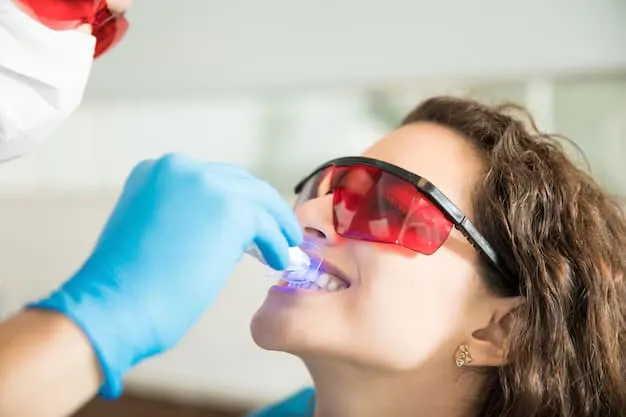

A bright and confident smile often plays an important role in personal appearance and self-esteem. Many individuals look for effective ways to maintain whiter teeth and improve their overall dental aesthetics. Professional teeth whitening services have become one of the most popular cosmetic dental treatments because they help remove stains caused by food, beverages, smoking, and aging. Understanding how often whitening treatments should be scheduled can help individuals maintain long-lasting results while protecting oral health.
Different people experience tooth discoloration at varying rates depending on lifestyle habits, enamel condition, and oral hygiene practices. While some individuals may only require occasional touch-ups, others may benefit from more regular teeth whitening appointments. Choosing the right schedule for teeth whitening services depends on several personal factors and professional recommendations from dental experts.
Understanding Professional Teeth Whitening Treatments
Professional whitening treatments are designed to safely brighten teeth using advanced bleaching agents and modern dental technology. Compared to over-the-counter products, professional procedures generally provide more noticeable and longer-lasting improvements. Many dental professionals customize treatments according to the patient’s level of staining and sensitivity concerns.
The effectiveness of teeth whitening services often depends on the original shade of the teeth and the type of discoloration being treated. Surface stains caused by coffee, tea, wine, or tobacco typically respond very well to professional whitening methods. Deep intrinsic stains may require multiple sessions to achieve the desired results.
Factors That Affect Whitening Results
Several daily habits can influence how long whitening results remain visible. People who frequently consume dark-colored beverages or smoke may notice staining returning more quickly than others. Maintaining consistent brushing and flossing habits can significantly extend the brightness achieved through teeth whitening services.
Age also plays a role in tooth discoloration. As enamel naturally wears down over time, the underlying dentin becomes more visible, giving teeth a darker appearance. This gradual process may increase the need for occasional whitening treatments as individuals grow older.
Differences Between In-Office and At-Home Treatments
In-office whitening procedures often deliver immediate results because they use stronger whitening agents under professional supervision. Many patients prefer these treatments when preparing for weddings, interviews, or special events. Professional applications also reduce the risk of uneven whitening or gum irritation.
Take-home whitening kits provided by dental professionals can complement in-office procedures. These customized trays allow patients to maintain their smile between appointments. Some individuals alternate between professional visits and home touch-up treatments to preserve consistent whitening results.
Recommended Frequency for Whitening Treatments
The ideal frequency for teeth whitening services varies depending on individual needs and dental health. Most dental professionals suggest scheduling professional whitening treatments once or twice a year for maintenance. This timeline often helps preserve brightness without overexposing teeth to bleaching agents.
Individuals with heavier staining habits may choose more frequent touch-ups, although professional guidance is important. Excessive whitening can contribute to enamel sensitivity and gum irritation if not managed carefully. A balanced whitening schedule ensures both cosmetic improvement and oral safety.
Signs That It May Be Time for Another Treatment
There are several indications that another whitening appointment may be beneficial. Gradual yellowing, dullness, or visible staining from beverages and foods can signal fading results. Many people notice these changes after several months, especially if dietary habits contribute to discoloration.
Another sign is reduced confidence in smiling or speaking. Since appearance can influence social and professional interactions, maintaining a bright smile often improves overall self-confidence. Regular consultations help determine whether additional teeth whitening services are appropriate.
Why Professional Advice Matters
Dental professionals evaluate enamel health, gum condition, and previous whitening history before recommending further treatment. This assessment helps prevent unnecessary whitening procedures that could weaken enamel or increase sensitivity.
A customized whitening plan also ensures that patients receive the safest treatment intervals. Since every smile responds differently, professional supervision remains one of the most important aspects of maintaining healthy whitening results.
Lifestyle Habits That Influence Whitening Frequency
Lifestyle choices strongly affect how long whitening results last. Certain foods and beverages contain pigments that cling to enamel and gradually darken teeth. Coffee, red wine, tea, berries, and soda are among the most common contributors to staining.
Smoking and tobacco use can accelerate discoloration even more rapidly. People who smoke often require teeth whitening services more frequently because nicotine and tar produce stubborn yellow or brown stains that penetrate enamel over time.
Oral Hygiene and Daily Maintenance
Consistent oral hygiene plays a major role in preserving whitening results. Brushing twice daily with whitening toothpaste and flossing regularly can help remove surface stains before they become deeply embedded. Professional cleanings also contribute to maintaining brighter teeth.
Using a straw when drinking staining beverages may minimize direct contact with the teeth. Rinsing the mouth with water after meals can also reduce staining buildup. These small habits can extend the effectiveness of teeth whitening services significantly.
Dietary Adjustments for Longer Results
Some individuals choose to limit highly pigmented foods and beverages after whitening treatments. While complete avoidance may not be practical, moderation can help maintain a brighter smile for a longer period.
Foods rich in calcium and crunchy fruits or vegetables may support healthier enamel and natural stain removal. Apples, celery, and carrots can help reduce plaque buildup and contribute to cleaner-looking teeth between whitening appointments.
Managing Tooth Sensitivity After Whitening
Tooth sensitivity is one of the most common side effects associated with whitening procedures. Some individuals experience temporary discomfort when consuming hot or cold foods after treatment. This sensitivity typically subsides within a few days.
Dental professionals often recommend sensitivity-friendly toothpaste before and after whitening sessions. Proper care and spacing between treatments can minimize discomfort while still delivering effective cosmetic improvements through teeth whitening services.
Safe Whitening Practices
Following professional instructions carefully is essential for maintaining healthy enamel. Overusing whitening strips or bleaching products without supervision can lead to irritation and weakened enamel. Professional guidance ensures treatments remain both safe and effective.
Patients should avoid attempting frequent whitening sessions without consulting a dental professional. Responsible whitening schedules help protect long-term oral health while preserving attractive cosmetic results.
Importance of Enamel Protection
Healthy enamel serves as a protective barrier for teeth. Excessive bleaching can gradually compromise enamel strength if whitening procedures are performed too often. This is why moderation and professional supervision remain critical.
Fluoride treatments and remineralizing products may help strengthen enamel after whitening sessions. Many dental professionals incorporate these preventive measures into comprehensive cosmetic care plans.
Benefits of Regular Whitening Maintenance
Maintaining consistent whitening schedules can provide long-term cosmetic benefits. Bright teeth are often associated with health, cleanliness, and confidence. Many people feel more comfortable smiling in social settings after professional whitening treatments.
Routine teeth whitening services can also motivate individuals to improve overall oral hygiene habits. Patients who invest in cosmetic dental care often become more attentive to brushing, flossing, and preventive dental visits.
Confidence and Social Benefits
A whiter smile frequently contributes to improved self-esteem and personal confidence. Professional appearance can influence first impressions in both social and workplace environments. Many individuals report feeling more comfortable during conversations and photographs after whitening treatments.
The emotional impact of a brighter smile should not be underestimated. Feeling confident about dental appearance often encourages more open communication and positive interactions with others.
Long-Term Cosmetic Improvement
When combined with professional cleanings and healthy habits, whitening maintenance can preserve youthful-looking teeth for many years. Consistent care reduces the buildup of deep stains and helps maintain a polished appearance.
Many cosmetic dental patients appreciate the convenience of periodic whitening touch-ups rather than waiting until severe discoloration develops. Preventive maintenance often requires less intensive treatment overall.
Choosing the Right Whitening Schedule
The best whitening schedule depends on individual lifestyle habits, dental history, and cosmetic goals. Some people maintain excellent results with annual treatments, while others benefit from touch-ups every six months. Professional evaluations help determine the safest and most effective frequency.
Patients considering teeth whitening services should prioritize long-term oral health over rapid cosmetic changes. Safe whitening practices deliver more sustainable results and reduce the risk of unnecessary sensitivity or enamel damage.
Working With Dental Professionals
Regular dental checkups provide an opportunity to discuss whitening goals and monitor enamel condition. Dental professionals can recommend suitable products and treatment intervals tailored to individual needs.
Customized treatment plans also help patients achieve natural-looking results without excessive bleaching. A professional approach ensures that cosmetic improvements remain balanced and healthy.
Building a Long-Term Smile Care Plan
Combining whitening treatments with preventive dental care creates a comprehensive smile maintenance routine. Professional cleanings, fluoride protection, and healthy daily habits all contribute to preserving brighter teeth.
Patients who follow consistent oral care routines often require fewer intensive whitening procedures over time. A proactive approach supports both cosmetic appearance and overall dental wellness.
Conclusion
Professional whitening treatments can significantly improve the appearance of stained or discolored teeth when performed responsibly and at appropriate intervals. Most individuals benefit from scheduling teeth whitening services once or twice per year, although lifestyle habits and enamel condition may influence personal treatment schedules. Maintaining strong oral hygiene, limiting stain-causing foods, and following professional recommendations can extend whitening results and protect dental health.
A balanced approach to cosmetic dental care helps individuals achieve a brighter smile while avoiding unnecessary sensitivity or enamel damage. Consistent maintenance, professional guidance, and healthy habits all contribute to long-lasting whitening success. Patients seeking reliable cosmetic dental care and personalized smile enhancement solutions often turn to Clove Dental Beverly Hills.



























Sign in to leave a comment.