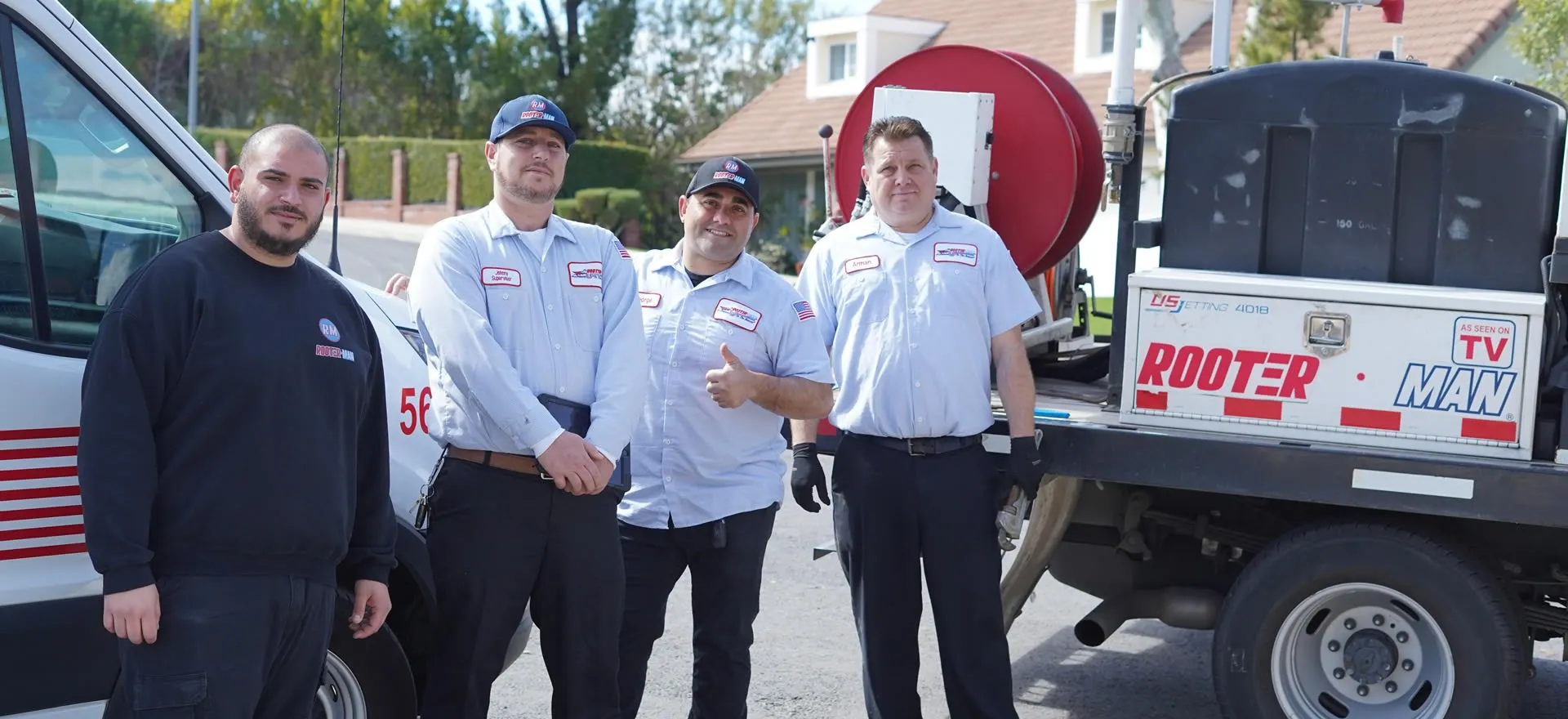

Most people don't think about their septic system until it stops cooperating. Then suddenly it's the only thing anyone can think about. A slow drain turns into a backed-up toilet, and a small crack in the tank turns into a soggy, smelly yard. That's usually how it goes. Homeowners looking into reliable septic pumping in Downey are often already dealing with a warning sign, not just being cautious ahead of time. A little regular checking goes a long way, and it's a lot cheaper than fixing a system that's already failed.
Why Is Regular Septic System Inspection Important?
Septic systems don't really announce problems. They just quietly get worse. Solids build up, pipes shift a bit, drainfields get soggier than they should be, and none of that shows up on the surface right away.
Checking things regularly catches this stuff early, before it turns into a mess. It also just tells you where you stand instead of assuming everything's fine because nothing's backed up yet.
The drainfield especially deserves attention, since fixing or replacing one is expensive and disruptive. Nobody wants to dig up half the yard because a problem sat unnoticed for two years.
Regular inspection is one of the cheapest insurance policies a homeowner has against a five-figure repair bill.
How Often Should You Inspect Your Septic System?
The usual answer is every one to three years, and that's a decent starting point. But treating that as a hard rule for every house is where people get tripped up.
A newer system with two people living in the house and normal water habits can probably stretch toward the three-year mark without much worry. An older system, a big family, or a house that runs a garbage disposal constantly is a different story. That system is working harder, and it should be checked more often.
Honestly, the real answer is: it depends on how the house uses water, not just how old the tank is. A septic professional can look at actual usage and set a schedule that fits, instead of guessing off a chart.
What Factors Can Affect Septic Inspection Frequency?
A few things push that inspection window shorter or let it stretch longer. Worth knowing before assuming a "standard" schedule applies.
Household size. More people means more water going down the drain every day, and that adds up faster than most people expect.
Water usage. Back-to-back showers, constant laundry, running the dishwasher and washing machine at the same time — all of that strains the system more than occasional light use.
Tank capacity. A small tank fills up with solids faster. That's just math, not a maintenance failure.
System age. Older tanks and pipes wear down. Baffles corrode, seals weaken. Older systems deserve a closer eye.
Drainfield condition. If the drainfield has ever shown signs of stress, it's not a "one and done" fix. It needs to be watched going forward.
Soil and drainage conditions. Heavy clay soil or a high water table slows everything down. Wastewater doesn't disperse the way it should, and that puts more pressure on the whole system.
Garbage disposal use. Disposals dump extra solid waste into the tank. Households that use one heavily usually need pumping sooner than households that don't.
Previous septic problems. A system with a history of backups or sluggish drains isn't a system to relax about. Past problems tend to repeat if nothing changes.
What Are the Warning Signs Your Septic System Needs an Inspection?
Some signs are worth acting on immediately instead of waiting for the next scheduled check. These usually mean something is already going wrong, not just "might go wrong someday."
-Drains that empty slowly, especially more than one at a time
-Toilets that need a second flush to clear
-Sewage smell near the tank, drainfield, or oddly enough, inside the house
-Gurgling noises from pipes when water runs
-Standing water pooling near the tank or drainfield
-A patch of grass over the drainfield that's suspiciously greener than the rest of the yard
-Actual sewage backing up into a sink or tub
-Ground near the septic area that feels soft or spongy when walked on
Any one of these showing up is reason enough to call someone. Waiting rarely makes it cheaper.
What Happens During a Professional Septic Inspection?
A real inspection starts with digging up and opening the tank, which sounds simple but tells a professional a lot. They check the sludge and scum layers to see how full the tank actually is, not just how full it's assumed to be.
Inlet and outlet pipes get checked for clogs or damage. The tank itself gets checked for cracks or leaks, since a leaking tank lets untreated wastewater escape into the ground, which is exactly the kind of problem nobody wants to discover late.
The drainfield gets a look too, for sogginess, odor, or ponding. If the system has pumps or alarms, those get tested as well.
What this really gives a homeowner is an actual answer instead of a guess based on how things look from the driveway.
When Should You Schedule Septic Pumping?
People mix these up constantly: inspection is not the same thing as pumping. Inspection is a checkup. Pumping is physically removing the solid waste sitting in the tank.
The rough average is every three to five years, but that number moves around a lot depending on tank size and how many people are using the system daily. A big household with a small tank might need it sooner. A small household with a bigger tank might stretch it out longer.
What usually works better than following a set calendar date is basing pumping on actual sludge and scum levels measured during inspection. What often fails is homeowners assuming a five-year mark is safe no matter what, when their household usage says otherwise.
Can Regular Inspections Prevent Septic System Failure?
Regular inspections cut down the risk of major problems by a lot, because small issues get caught while they're still small. A slightly slow drainfield or rising sludge level is a much easier fix than a full backup.
That said, no inspection schedule can promise a system will never fail. Heavy rain, tree roots pushing into pipes, or a sudden mechanical failure can still happen even on a well-maintained system.
What inspections really offer is a much better shot at catching trouble early, plus a track record that shows how the system has been aging. That's not nothing.
What Can Homeowners Do Between Septic Inspections?
Good daily habits matter more than people give them credit for. None of this replaces a professional check, but it takes pressure off the system in between visits.
-Spread out water use — laundry loads, dishwasher runs, long showers all add up if bunched together
-Fix leaky faucets and running toilets sooner rather than later
-Skip flushing wipes, paper towels, or anything not meant to break down
-Go easy on harsh chemical drain cleaners, since they mess with the bacteria the tank actually needs
-Keep gardens, trees, and heavy foot traffic off the drainfield
-Never park a car or drive equipment over the tank or drainfield — the weight can crack pipes or compact soil
-Keep a simple record of past pumping and inspection dates, since it helps a professional spot patterns fast
Small habits, but they add up over years.
When Should You Call a Septic Professional?
Some situations aren't "wait and see" situations. These need a call right away:
-Sewage backing up into the house
-A strong sewage smell that won't go away
-Standing wastewater near the tank or drainfield
-Several drains running slow at once
-Signs the tank might be overflowing
-Visible damage or soggy ground over the drainfield
Delaying on any of these almost always makes the fix bigger and pricier.
Frequently Asked Questions About Septic Inspections
How often should a residential septic system be inspected?
Every one to three years is the general range, though household size, water use, and system age push that number up or down.
Is septic inspection the same as septic pumping?
No. Inspection checks the condition of the system. Pumping removes solid waste from the tank. A system can need one without needing the other right away.
What are the first signs of septic system failure?
Usually slow drains, gurgling pipes, faint odors near the tank, or ground over the drainfield that feels softer than it should.
Can a septic tank work without regular inspections?
For a while, sure. But problems tend to hide until they're serious, and by then the fix costs a lot more than routine checks would have.
Does a larger household need more frequent septic inspections?
Generally yes. More people means more wastewater moving through the system, which speeds up solids buildup.
What happens if a septic system is not inspected regularly?
Small stuff — a minor leak, rising sludge, early drainfield stress — goes unnoticed until it turns into backups, bad smells, or a much bigger repair bill.
Conclusion
A septic system does not need constant attention, but it does need consistent care. Homeowners who avoid major repair costs are often the ones who follow a maintenance schedule that fits their household instead of waiting for slow drains, odors, or backups to appear. Regular inspections and timely pumping can help identify problems early and keep the system working properly.
When it is time for an inspection or pump-out, Rooter Man Septic Tank Pumping can help homeowners understand their system’s needs and determine a maintenance schedule based on household usage and system conditions. A little attention today can help prevent a much bigger septic problem later.

















Sign in to leave a comment.