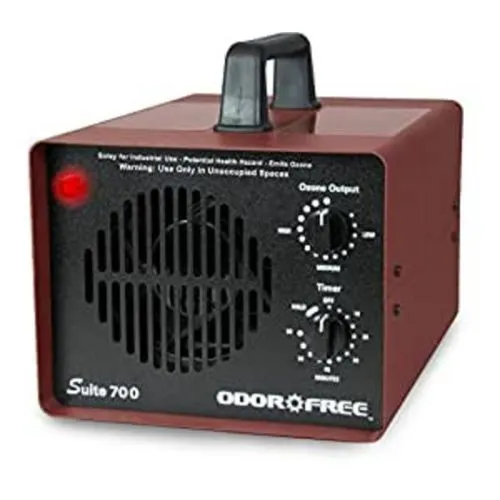

A strong ozone plan depends on why your car needs it. For most vehicles, ozone works best as an occasional odor-control step after thorough cleaning, not as a routine detailing service.
If you are considering car detailing ozone treatment, start with the source of the odor. Food, smoke, pet hair, spills, mildew, and damp carpets need cleaning before ozone can work well.
Does Your Car Really Need Ozone?
For a normally used car with no major odor problem, you usually do not need ozone. A careful interior detail, vacuuming, surface cleaning, and regular air filter checks provide better routine care.
If you drive daily for work, commute long distances, or carry passengers often, focus on prevention first. Clean spills quickly, remove trash, dry wet mats, and keep fabric surfaces free from buildup.
Smoke Requires More Than One Step
Smoking changes the picture. Smoke settles into seats, carpets, headliners, vents, and other porous materials. In this case, ozone may help reduce remaining odor after the interior has been cleaned properly.
If your goal is to remove smoke odor from car interiors, do not expect one ozone cycle to solve everything. A professional detailer may need to clean residue, treat fabrics, inspect vents, and repeat testing.
What About Pets and Daily Mess?
Pet owners may need ozone more often, but only when strong odors remain after normal cleaning. Hair, dander, drool, and accidents can leave odor sources behind, so extraction and enzyme-based cleaning should come first.
Moisture creates another common problem. Wet carpets, leaking seals, soaked floor mats, or poor ventilation can cause musty smells. Ozone cannot fix the leak, dry the cabin, or remove contaminated material.
Fix Moisture Before Treating Odor
If your car has repeated moisture exposure, solve the water problem before considering ozone. A detailing professional can inspect carpets, underlayment, trunk areas, and hidden spaces where moisture may remain unnoticed.
For most owners, occasional use is enough. Think in terms of a specific need rather than a calendar date. You might use ozone after smoke exposure, a serious spill, or deep interior restoration.
How Often Is Too Often?
High-use vehicles may need car odor treatment several times a year, but only when a clear problem returns. Frequent ozone exposure without a reason adds little value and may increase material wear over time.
Luxury and performance vehicles deserve extra care. Leather, Alcantara, delicate trim, soft-touch plastics, seals, and electronic controls can react poorly to excessive ozone exposure, especially during repeated or prolonged treatments.
Why Professional Ozone Treatment Matters
That is why professional car detailing ozone treatment should follow controlled exposure, correct equipment settings, and proper ventilation. The cabin should be empty during treatment, and people and pets should stay away.
After treatment, the vehicle needs thorough ventilation before anyone uses it. A professional detailer should follow equipment guidance, allow ozone to dissipate, and confirm that the cabin is safe and comfortable.
Ozone Does Not Replace Deep Cleaning
Ozone also has limits. It can oxidize odor-causing compounds, but it does not replace vacuuming, steam cleaning, hot-water extraction, stain removal, or source removal when dirt remains inside the vehicle.
For dealership and resale preparation, timing matters. Ozone can be useful after restoration cleaning when an unwanted smell remains, helping create a cleaner cabin before photographs, inspections, showings, or customer delivery.
A Practical Plan for Busy Drivers
For busy Bay Area professionals, the practical approach is simple: schedule ozone only when the vehicle has a stubborn odor that normal interior cleaning has not fully addressed.
If you transport children, pets, sports gear, work equipment, or food, your interior may collect odor faster. Even then, regular maintenance remains the first line of defense, with ozone reserved for deeper problems.
What Should Your Detailer Do First?
A useful detailing sequence starts with inspection. Next comes vacuuming and debris removal, followed by stain treatment, surface cleaning, fabric extraction where needed, drying, and odor-source control before ozone is considered.
After the ozone step, the technician should check the cabin again. If the odor remains, repeating ozone immediately may not be the answer. The hidden source may still need direct treatment.
The Right Frequency Is Problem-Based
The best frequency is therefore problem-based. For routine vehicles, ozone may be rare or unnecessary. For smoke, pets, spills, or restoration work, it may be used after cleaning when residual odor still needs attention.
A well-maintained vehicle should not need ozone on a fixed monthly schedule. Use it as a targeted finishing step, not a replacement for cleaning, drying, inspection, and careful interior preservation.
What Should You Remember?
Ozone works best when you treat the cause first and use it only for a clear need. For lasting results, combine careful cleaning, moisture control, odor removal, ventilation, and professional detailing when required.


























Sign in to leave a comment.