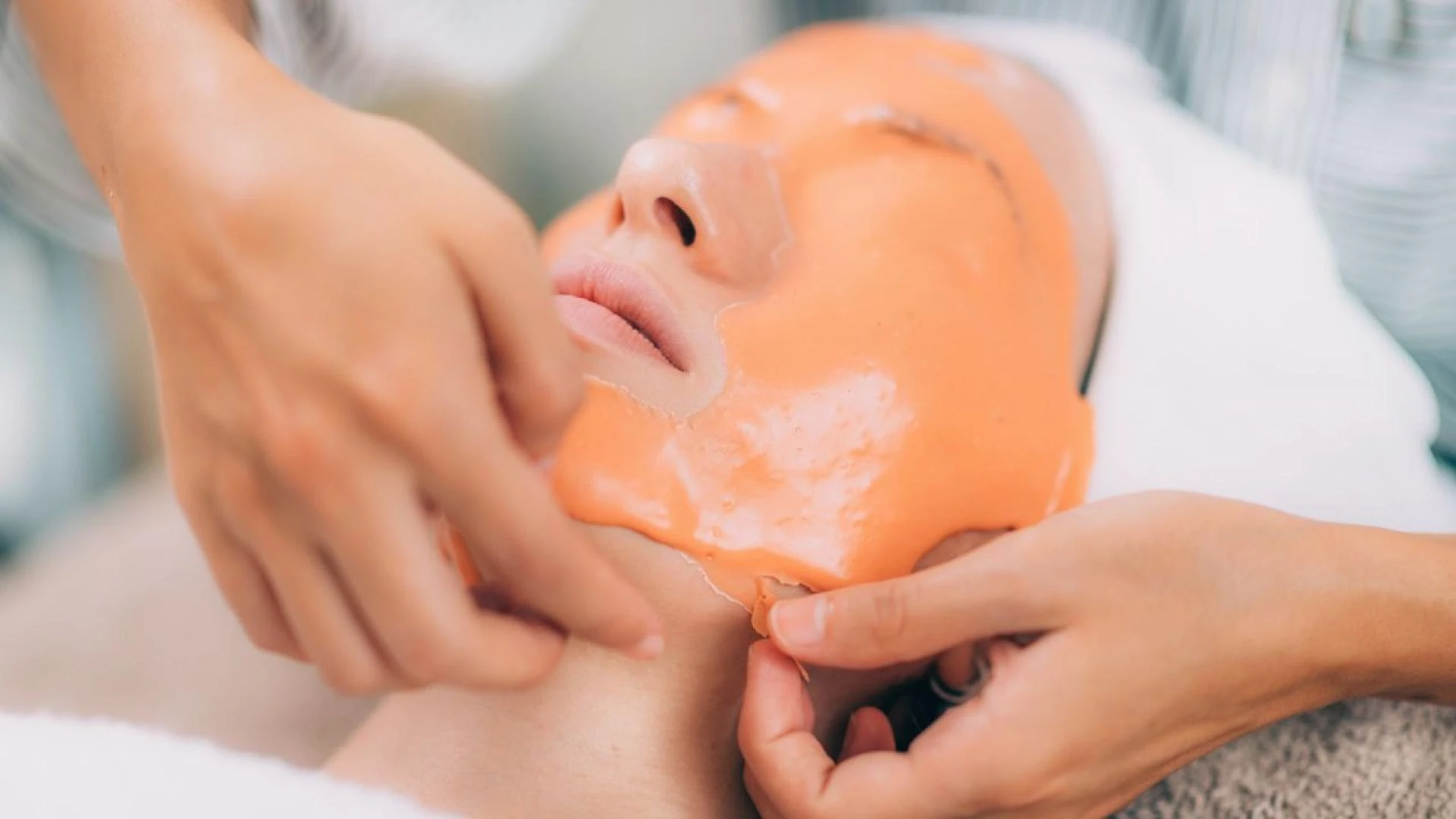

Whether it's summer or winter with the change in weather, you may find yourself indulging in a more nourishing skincare routine to combat the harsh weather conditions. Along with sheet masks and cream formulations, peel off mask have gained popularity and offer a satisfying experience as we eagerly await the reveal of the impurities they remove.
Regardless of your skin type, whether it leans towards dry, combination, or oily, there is a peel off mask available for you. However, these masks have unique qualities that distinguish them from other types of masks. The upside is that you can expect to see and feel immediate results upon peeling off the mask. The downside is that you may have been using them incorrectly all along.
That's quite common with so many types of peel off masks available, it can be difficult to know how often to use them for optimal results, In this post, we will explore the benefits of using peel off masks, the different types available, and how often you should incorporate them into your skincare routine based on your skin type and individual needs.
It is possible that you may have made mistakes when applying facial masks such as forgetting to set a time, using too much product, or selecting the wrong type of formula. It happens to the best of us, so there is no need to fret. Rest assured that we are here to provide you with guidance in a non-judgemental environment. Continue reading for information on typical errors and some helpful pointers on the correct application and removal of masks in your skincare routine.
Benefits of Using Peel Off Masks
Peel-off masks offer several benefits for the skin. Some include:
A quick pick-me-up: When you need a quick cleanup before an event, a peel off mask can provide an instant solution. As it is not always feasible to schedule a full facial treatment, especially when you are pressed for time. It offers the same benefits and can be applied in the comfort of your own home, taking just a few minutes to complete.
Addresses common skin care concerns: It is one of the simplest ways to give your skin a boost, and achieve a more youthful and revitalized appearance. An effective mask with your skincare routine can work wonders in addressing common skin concerns, such as large or open pores, as well as helping to delay the onset of wrinkles and reduce the visibility of existing ones. Incorporating a good quality beauty product is a convenient and effective way to achieve a refreshed and rejuvenated appearance.
Detoxifies oily and acne-prone skin: They are suitable for a wide range of skin types. However, for those with oily or acne-prone skin, a peel-off mask can be particularly beneficial. Although it is important to avoid using a mask when there is an active pimple present as it can potentially exacerbate the issue. With regular use, a peel off mask can help to regulate oil production and reduce the frequency and severity of breakouts.
Loaded with nourishing ingredients: These contain a range of nourishing ingredients such as vitamins, antioxidants, and natural extracts that provide additional benefits beyond the basic exfoliation and pore-cleansing properties of the mask. For instance, some peel off masks as designed to hydrate and moisturize the skin, leaving it soft and supple while others may contain brightening agents that help to even out skin tone and reduce the appearance of dark spots or hyperpigmentation. Additionally, some masks feature calming ingredients that can help to soothe and reduce inflammation, making them ideal for those with sensitive skin.
How Often Should You Use a Peel Off Mask?
While peeling off a face mask can be satisfying and help reduce stress, it's important to avoid overuse, regardless of your skin type. Peel off masks create a film over the skin after drying, allowing you to peel it off. However, if you don't give your skin enough time between applications, you may experience excess dryness, irritation, and clogged pores.
To avoid all this to happen to your skin, you need to limit the use of peel-off masks to once a week. Now coming to the frequency to use face masks, it generally depends on your skin type and the specific product you are using. As a general guideline, it is recommended that you use a peel-off mask once or twice a week. However, if you have sensitive or dry skin, you may want to limit use to once a week or every other week. If you have oily combination skin, you may be able to use facial masks more frequently.
So, here are some of the factors that may affect the frequency of use:
Skin type is the key factor in determining how often you can use the mask.
Product ingredients: Natural or organic masks are formulated with gentle, nourishing ingredients that can be used more frequently without causing irritation. While others can contain harsh chemicals or exfoliants that may be too harsh for regular use. It is important to choose between products wisely.
Environmental factors: External factors such as climate, pollution, and UV exposure can also impact how often you should use a mask. For example, if you live in a dry climate, you may want to use a hydrating peel-off mask more frequently to combat dryness. Similarly, if you are exposed to a lot of pollution or UV radiation, you may want to use a face mask more frequently to help cleanse and protect your skin.
Overall, it is best to start with a once a week routine and adjust the frequency based on how your skin responds. Be sure to pay attention to any signs of irritation, dryness, or inflammation, and adjust your routine accordingly. With the right product and frequency, a peel off mask can be an effective addition to your skincare routine, helping to improve the texture, tone, and overall health of your skin.
Improper Application
Using the wrong peel off mask for your skin type: When you step into the mask section online, you might feel overwhelmed by the numerous options available. From bioactive and hydrating to intense detoxification, finding the right mask for your skin type can be daunting. It is essential to do your research and choose a peel off mask that is specifically formulated for your skin type. For example, if you have oily skin, you may want to look for a peel off mask that contains ingredients such as clay or charcoal, which can help absorb excess oil. On the other hand, dry skin people need a mask that contains moisturizing ingredients. Using the wrong formula can result in skin irritation, dryness, or even breakouts.
Leaving it for long or not following proper removal techniques: It is understandable that you have a busy life, but forgetting to remove the peel off mask at the right time can have some drawbacks like dry and irritating skin. Plus, it is important to remove the mask gently and properly to avoid causing any damage to the skin. One common mistake that most people make is pulling the mask off too quickly, which can cause pain and even lead to broken capillaries. The right way to remove the mask is to start from the edges and peel it off slowly in an upward motion. If there are any remaining pieces from where the mask has not been removed, you can gently rinse your face off with lukewarm water.





Sign in to leave a comment.