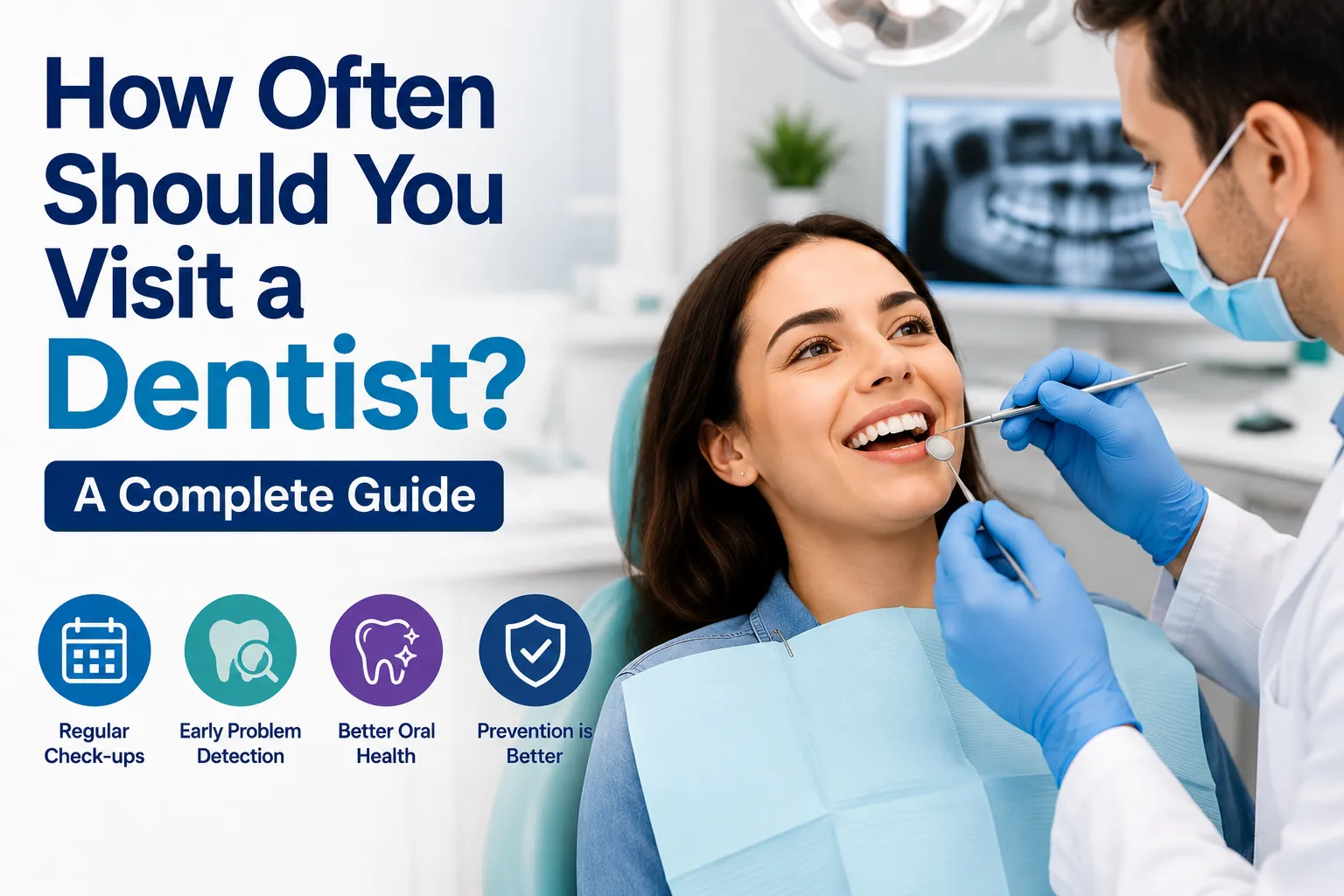

"Do I really need to see the dentist every six months?" It's one of the most common questions people ask—and the honest answer is: it depends.
For years, the six-month checkup has been treated as a rule. In reality, it's more of a starting point than a one-size-fits-all schedule. Some people benefit from seeing their dentist twice a year, while others may need more frequent visits based on their oral health, medical history, or lifestyle.
The important thing isn't sticking to an exact number. It's making sure you're seen often enough to catch small problems before they turn into bigger ones.
Is Every Six Months the Right Answer?
For many people, yes.
A checkup every six months gives your dentist the chance to monitor your oral health and catch changes before they become painful or expensive to treat.
During those visits, your dentist will typically:
- Check for cavities
- Monitor your gum health
- Perform a professional cleaning
- Examine existing fillings, crowns, or other dental work
- Screen for signs of oral cancer
- Look for small changes that could become larger issues later
Preventive care is often much easier—and far less costly—than treating advanced dental problems.
Some People Need to Be Seen More Often
Not everyone has the same risk of developing dental disease.
Your dentist may recommend more frequent appointments if you:
- Have gum disease
- Tend to develop cavities easily
- Wear braces or other orthodontic appliances
- Smoke or use tobacco
- Have diabetes or certain medical conditions
- Experience chronic dry mouth
- Have a history of extensive dental treatment
More regular visits allow your dentist to monitor changes closely and provide preventive care that's tailored to your needs.
A Checkup Is More Than Just a Cleaning
Many people think a routine dental appointment is simply about polishing their teeth.
In reality, it's one of the most important opportunities to assess your overall oral health.
Depending on your needs, your visit may include:
- A comprehensive dental examination
- Professional cleaning
- Digital X-rays when appropriate
- A gum health assessment
- Oral cancer screening
- Evaluation of crowns, fillings, and other restorations
- Personalised advice for improving your home care
These appointments often identify problems long before you notice symptoms yourself.
Why Waiting Can End Up Costing More
One of the biggest misconceptions about dental health is that if nothing hurts, everything must be fine.
Unfortunately, that's rarely how dental problems work.
Cavities can develop without causing pain. Gum disease often progresses quietly. Tiny cracks in teeth or worn fillings may not become obvious until significant damage has already occurred.
Routine checkups give your dentist the chance to find these issues early, when treatment is usually simpler, faster, and less expensive.
Good Brushing Doesn't Replace the Dentist
Brushing twice a day and flossing regularly are two of the best things you can do for your smile.
But even excellent home care has its limits.
Hardened tartar can't be removed with a toothbrush, and many dental problems begin in places you simply can't see in the mirror.
Think of home care and professional checkups as a team. One works best with the other.
Your Age Can Change the Recommendation
Your ideal dental schedule may change throughout life.
Children benefit from regular visits that monitor tooth development and help establish healthy habits early. Older adults may need closer observation for gum disease, tooth wear, or changes around existing dental work.
Rather than following the same timetable forever, your dentist will recommend a schedule based on your current oral health and risk factors.
Don't Wait If Something Feels Wrong
Even if your next checkup isn't due yet, some symptoms deserve prompt attention.
Arrange a dental appointment if you notice:
- Persistent tooth pain
- Swollen or bleeding gums
- A chipped or broken tooth
- Loose teeth
- Ongoing tooth sensitivity
- Jaw pain or facial swelling
The sooner these problems are evaluated, the easier they often are to treat.
Finding a Dentist Who Focuses on Prevention
The best dentists don't simply repair problems—they help you avoid them altogether.
Look for a practice that explains findings clearly, encourages preventive care, and tailors recommendations to your individual needs rather than automatically booking everyone on the same schedule.
Many people also use Dental.me to learn how often should you visit a dentist, compare local providers, and explore available dental services before booking an appointment.
Choosing a dentist who values education as much as treatment can make a real difference to your long-term oral health.
Consistency Matters More Than the Calendar
There's no single appointment schedule that's perfect for everyone.
What matters most is staying consistent with both your daily oral hygiene and your professional dental care. Together, they give you the best chance of preventing problems, protecting your teeth and gums, and avoiding unnecessary treatment in the future.
In the end, the right schedule isn't based on a calendar—it's based on your smile.




















Sign in to leave a comment.