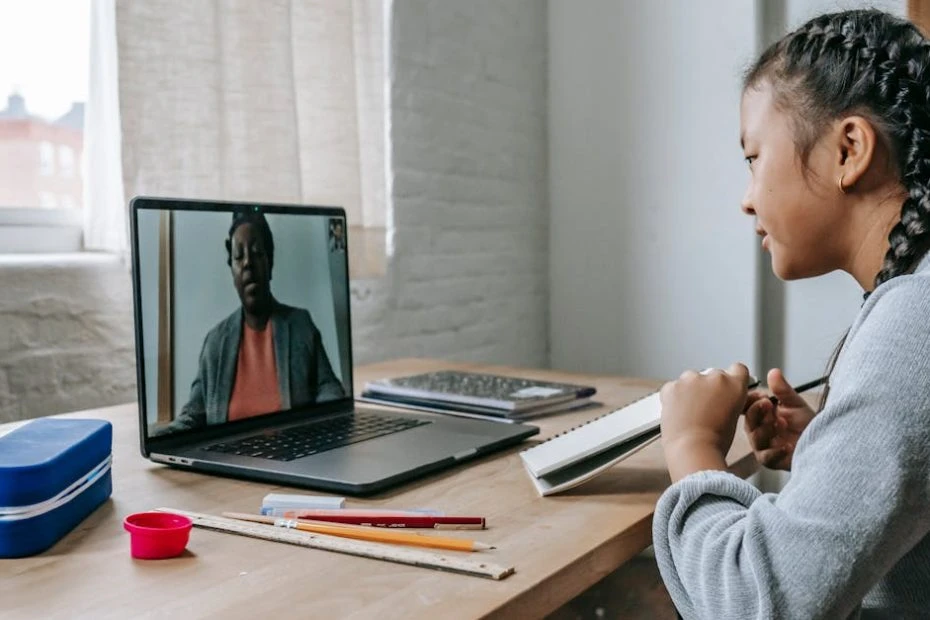

The traditional classroom setup has been the default for decades, but it no longer fits every student. Families across South Africa are choosing a different path — one where teenagers can complete their matric from home, study at their own pace, and still receive a nationally recognised qualification. The shift toward digital learning is not a passing trend. It reflects a growing demand for flexibility, safety, and personalised academic support that brick-and-mortar schools sometimes struggle to provide.
What Does Studying Through an Online School Actually Look Like?
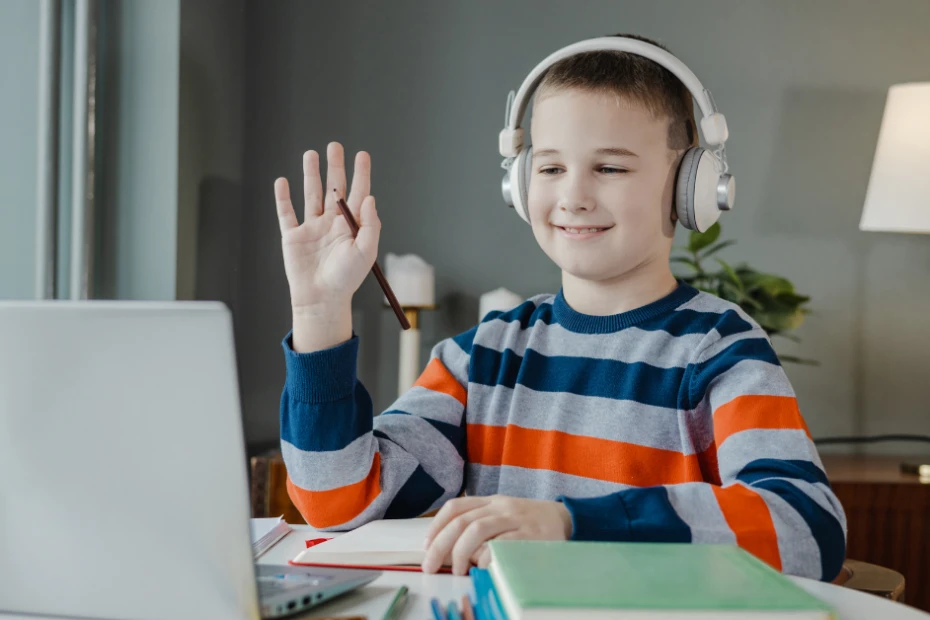
A common question parents ask is how online schooling works on a day-to-day basis. The answer is simpler than most people expect. Students log into a learning platform each morning, access their lessons, watch recorded or live classes, complete assignments, and interact with teachers through messaging or video calls. The structure mirrors a regular school day but removes the commute, the rigid bell schedule, and the distractions that come with a crowded classroom.
Most programmes follow the CAPS curriculum, which means the content matches what the Department of Basic Education requires. Students still write formal assessments, submit portfolios, and sit for national exams. The difference is that they do it from a desk at home rather than a desk in a school hall.
Why Families Are Choosing This Route
There are a number of reasons why parents and teens are drawn to remote learning, and the motivations vary from family to family.
Flexible scheduling is one of the biggest draws. Athletes, performers, and students with health challenges often find that a fixed school timetable clashes with their other commitments. Studying from home allows them to arrange their academic work around training, rehearsals, or medical appointments without falling behind.
Safety and wellbeing also play a role. Bullying, long commutes on unsafe roads, and overcrowded classrooms are realities for many South African learners. An online high school South Africa programme removes those risks entirely, letting students focus on their studies in a comfortable setting.
Academic performance tends to improve when students can pause, rewind, and revisit lessons. In a physical classroom, a teacher moves at one speed. If a student misses a concept, it is gone. With recorded lessons and digital resources, learners can go back over material as many times as they need until it clicks.
Getting Matric From Home — Is It Legitimate?
This is the question that holds many parents back, and it deserves a straight answer. Yes, a matric obtained through an accredited online school holds the same value as one earned at any government or private school. The National Senior Certificate (NSC) is administered by the Department of Basic Education regardless of where the student studied. What matters is that the school is registered and follows the approved curriculum.
Students at accredited online high school programmes write the same final exams as every other Grade 12 learner in the country. Universities and colleges accept these results without distinction. A matric is a matric — the method of delivery does not change the qualification.
The Technology Side of Things
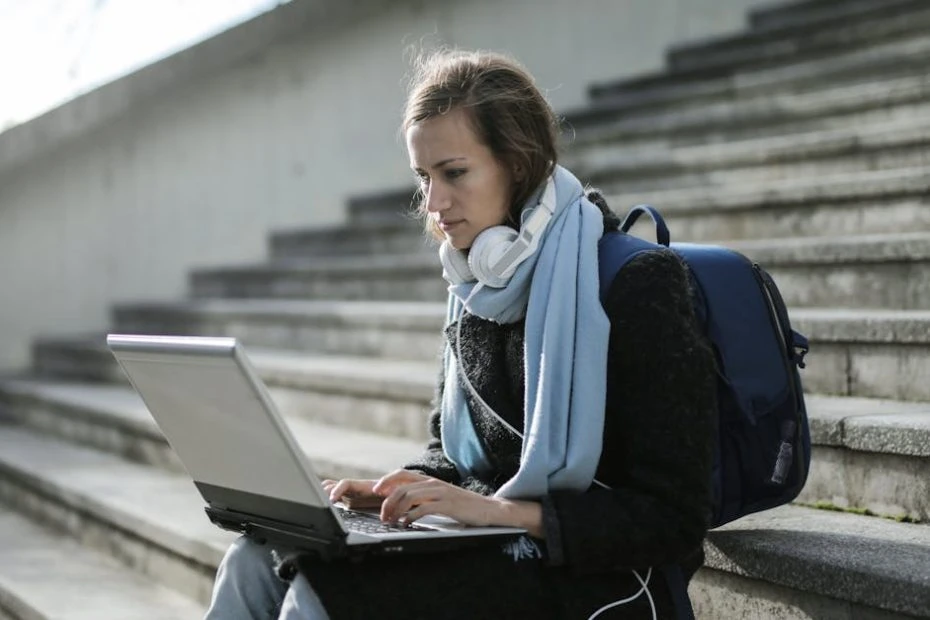
Parents sometimes worry about the tech requirements. The good news is that most online schools are designed to work on a standard laptop or tablet with a stable internet connection. High-end equipment is not necessary. Some platforms even offer offline access to lessons, which is helpful in areas where connectivity can be unreliable.
Schools typically provide a learning management system (LMS) where everything lives — timetables, lesson recordings, worksheets, grades, and communication tools. Think of it like a virtual school building where each room serves a different purpose, and students move between them with a click rather than a walk down the corridor.
Social Life and Extracurricular Activities
One of the biggest myths about remote learning is that students become isolated. In practice, many of the best online schools in South Africa build community into their programmes. Virtual clubs, group projects, online discussion boards, and even in-person meetups give students plenty of chances to connect with peers.
Beyond the school itself, students who learn from home often have more time for sports clubs, art classes, volunteer work, and part-time jobs. These activities build social skills just as effectively as a school playground — sometimes more so, because they involve interacting with people of different ages and backgrounds rather than only same-age classmates.
Who Is It Best Suited For?
Online high school is not a one-size-fits-all solution, and it would be dishonest to pretend otherwise. It works brilliantly for:
– Self-motivated learners who can manage their time without constant supervision — Students with demanding extracurricular schedules such as competitive sport or performing arts — Families who travel frequently or live in remote areas far from quality schools — Teens dealing with anxiety, bullying, or health conditions that make attending a physical school difficult — Learners who thrive at a different pace — whether faster or slower than the average classroom speed
Students who need a lot of face-to-face interaction to stay engaged may find the transition challenging at first. However, many schools offer support structures like regular check-ins with mentors and small-group video sessions to bridge that gap.
How Parents Stay Involved
A common concern is that parents need to become full-time teachers. That is not the case with a properly run online school. Teachers handle instruction, grading, and academic support. The parent’s role is more like a project manager — making certain the student logs in on time, stays on track with deadlines, and has a quiet space to work.
Most platforms give parents a dashboard where they can track participation, grades, and upcoming assignments. This level of visibility is often greater than what parents get from a traditional school, where report cards arrive once a term and parent-teacher meetings happen twice a year.
The Cost Factor
Fees for online schooling South Africa programmes vary widely, but many families find them comparable to or lower than private school tuition. When you factor in savings on transport, uniforms, school meals, and extracurricular levies, the total cost of online learning can be significantly less.
Some schools offer payment plans or bursaries, making it accessible to a broader range of families. It is worth comparing a few options and asking about hidden fees before committing.
A Broader View of Online Learning
South Africa’s education system faces real challenges — teacher shortages, infrastructure problems, and uneven quality between provinces. Online schooling does not fix all of those issues, but it offers an alternative path for families who want more control over their children’s education. The flexibility, safety, and personalised attention that digital learning provides are hard to match in an overcrowded classroom.
For teenagers ready to take ownership of their learning, and for parents willing to support them through the process, studying for matric from home is a practical and increasingly popular choice. The qualification is the same, the curriculum is the same, and the opportunities that follow are just as wide open.





Sign in to leave a comment.