
How Organic Skincare Is Shaping the Future of Anti-Ageing
Want to look younger and have skin that just glows? It can feel like a lot to figure out with all the products out there. But honestly, you don't need a ton of fancy stuff or a complicated routine to get that natural radiance. With the right natural ingredients and a little bit of sticking to it, your dream skin is totally within reach. This article is going to share some simple secrets for great skin, so you can get that bright, youthful look without spending a fortune. We're talking about the best Anti-ageing organic Skin Care secrets, so let's get to it.
Key Takeaways
- Using a Vitamin C serum in the morning can help brighten your skin and fight off damage from the day.
- Hyaluronic acid is great for keeping your skin hydrated, which makes it look plump and smooth.
- Gentle exfoliation, done once or twice a week, helps get rid of dull skin cells and reveal brighter skin underneath.
- A good moisturizer is key to keeping skin soft and supple, and looking its best.
- Always wear sunscreen, even on cloudy days, to protect your skin from aging signs caused by the sun.
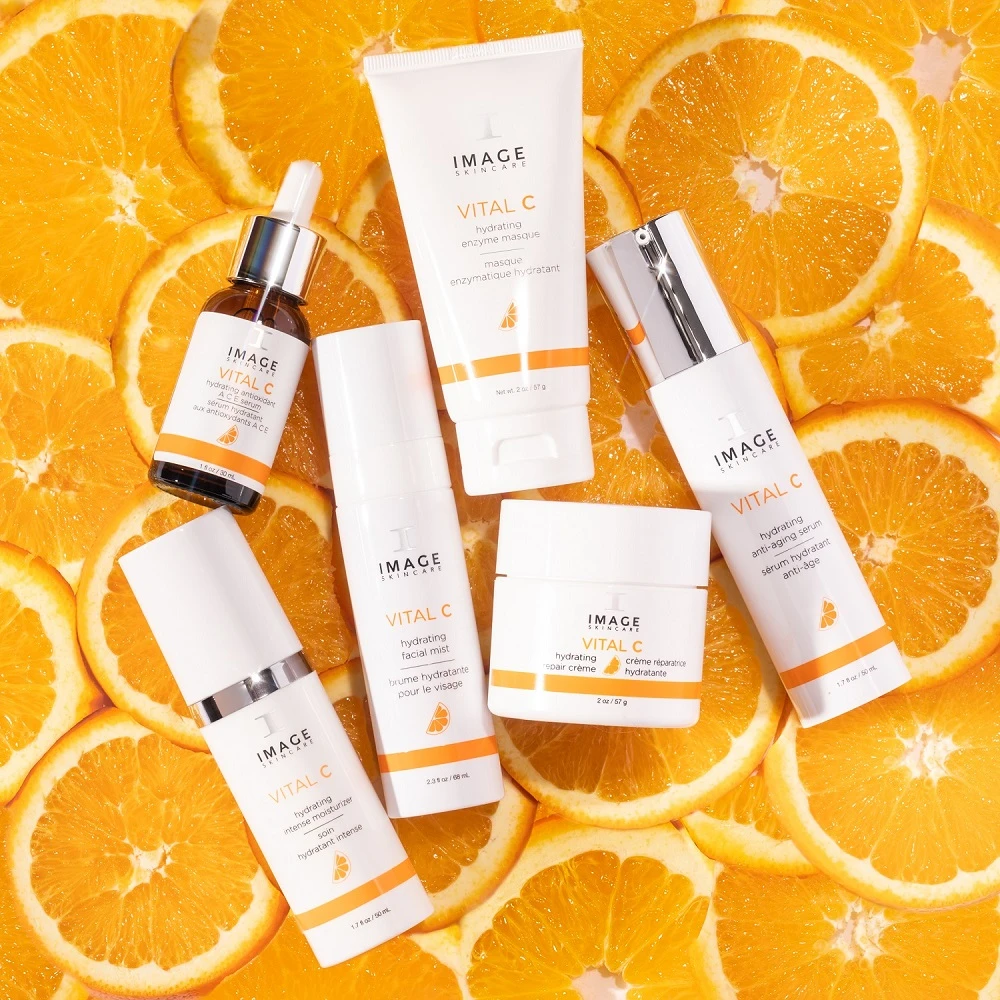
1. Vitamin C Serum
When you're looking for that extra bit of brightness and a more even skin tone, a good Vitamin C serum can really make a difference. It’s a powerhouse antioxidant that helps protect your skin from daily environmental stuff, like pollution, which can make you look older faster. Think of it as a shield. Plus, it helps fade those little dark spots and acne marks, making your complexion look clearer and more uniform. It's a key player in boosting collagen production, which is what keeps your skin looking plump and firm.
Using organic face serums with Vitamin C is a smart move. Look for serums that list L-Ascorbic Acid as a main ingredient, usually around 10-20% concentration. Applying it in the morning, right after cleansing and before your moisturizer and sunscreen, is generally the best way to get its protective benefits throughout the day. It plays well with other ingredients too; pairing it with hyaluronic acid can give you an extra hydration boost.
Here’s a simple way to incorporate it:
- Cleanse your face thoroughly.
- Apply a few drops of your Vitamin C serum, gently patting it in.
- Follow with your favorite moisturizer.
- Don't forget sunscreen, even on cloudy days!
Many people find that using a Vitamin C serum is a noticeable step up in their skincare routine, especially when combined with other quality products like an organic anti aging cream.
Vitamin C works by neutralizing free radicals, which are unstable molecules that can damage skin cells and lead to premature aging. By fighting these, it helps maintain a more youthful appearance over time.
2. Hyaluronic Acid
You've probably heard about hyaluronic acid, and for good reason. It's a real powerhouse when it comes to keeping skin looking plump and hydrated. Think of it like a sponge for your skin; it can hold a ton of water, which helps to fill out fine lines and give your complexion a smoother, more youthful appearance. It's naturally found in our bodies, but its levels decrease as we age, making topical application a smart move for anti-aging.
When you're looking for products, you might see different molecular weights mentioned. Smaller molecules can penetrate deeper into the skin, while larger ones sit closer to the surface, providing immediate hydration. Many effective serums combine different sizes to offer both surface and deeper hydration benefits.
Here's why it's so great:
- Hydration Hero: It draws moisture from the air into your skin, keeping it hydrated throughout the day.
- Plumping Power: By holding onto water, it makes your skin look fuller and reduces the appearance of wrinkles.
- Skin Barrier Support: A well-hydrated skin barrier is a healthier skin barrier, better able to protect itself.
- Gentle Formula: It's generally well-tolerated by most skin types, even sensitive ones.
Using a hyaluronic acid serum is pretty straightforward. You typically apply it to damp skin after cleansing, before your moisturizer. This helps it to draw even more moisture into your skin. It's a simple step that can make a noticeable difference in how your skin looks and feels.
Hyaluronic acid works by binding to water molecules, effectively increasing the water content in the skin. This leads to a temporary plumping effect, making fine lines and wrinkles less visible and giving the skin a more supple texture. It's a humectant, meaning it attracts moisture from its surroundings.
3. Gentle Exfoliation
Our skin is always shedding dead cells, which is a natural process. But sometimes, these cells can build up, making our complexion look dull and tired. That's where exfoliation comes in. It's a key step in any natural skin care routine to reveal brighter, smoother skin underneath.
The trick is to be gentle. Overdoing it can strip your skin of its natural oils and damage its protective barrier, leading to irritation and breakouts. Instead, opt for mild methods that won't cause harm. Think of it like this: you wouldn't scrub a delicate painting, right? Your skin deserves the same care.
Here are a few ways to incorporate gentle exfoliation:
- Chemical Exfoliants: Look for products with Alpha Hydroxy Acids (AHAs) or Beta Hydroxy Acids (BHAs). These work by dissolving the bonds between dead skin cells. Start using them just once or twice a week to see how your skin reacts.
- Enzyme Exfoliants: Derived from fruits like papaya or pineapple, these are incredibly mild and break down dead skin cells without any harsh scrubbing.
- Fine-Grained Scrubs: If you prefer a physical scrub, choose one with very fine, smooth particles. Avoid anything with large, jagged pieces that can cause micro-tears. Using an Organic Cleansing Balm can sometimes offer a very gentle physical exfoliation as you massage it in.
After exfoliating, your skin is more receptive to other treatments. This is the perfect time to apply a hydrating serum or moisturizer. If you have sensitive skin or conditions like eczema, finding the right Organic Eczema Cream or a very gentle cleanser is important to avoid further irritation. Remember, consistency with gentle methods is more effective than occasional harsh treatments.
4. Hydrating Moisturiser
Think of moisturizer as the final seal on your skincare routine, keeping all those good ingredients locked in. Without it, your skin can look dull and feel tight, which isn't exactly the youthful glow we're going for. A good moisturizer is key to keeping your skin plump and happy.
When you're looking for an organic face cream, you want something that feels good and actually works. Ingredients like hyaluronic acid are fantastic because they draw moisture into the skin, making it look fuller. Plant-based oils, like jojoba or squalane, can also provide deep nourishment without feeling heavy. Some formulas even include things like niacinamide, which helps brighten your complexion.
Here’s what to look for in a solid moisturizer:
- Hyaluronic acid for that plump, hydrated look.
- Ceramides to help strengthen your skin's natural barrier.
- Antioxidants to help fight off environmental stress.
- Lightweight, non-comedogenic formulas that won't clog pores.
Applying moisturizer isn't just about comfort; it's a vital step in any anti aging skin care plan. It helps smooth out the appearance of fine lines and keeps your skin resilient. Don't forget your neck and décolletage – they show signs of aging too!
If you've been exfoliating, following up with a good moisturizer is even more important. It helps soothe the skin and replenish any moisture that might have been lost during the exfoliation process. It’s all about balance and keeping that skin barrier healthy.
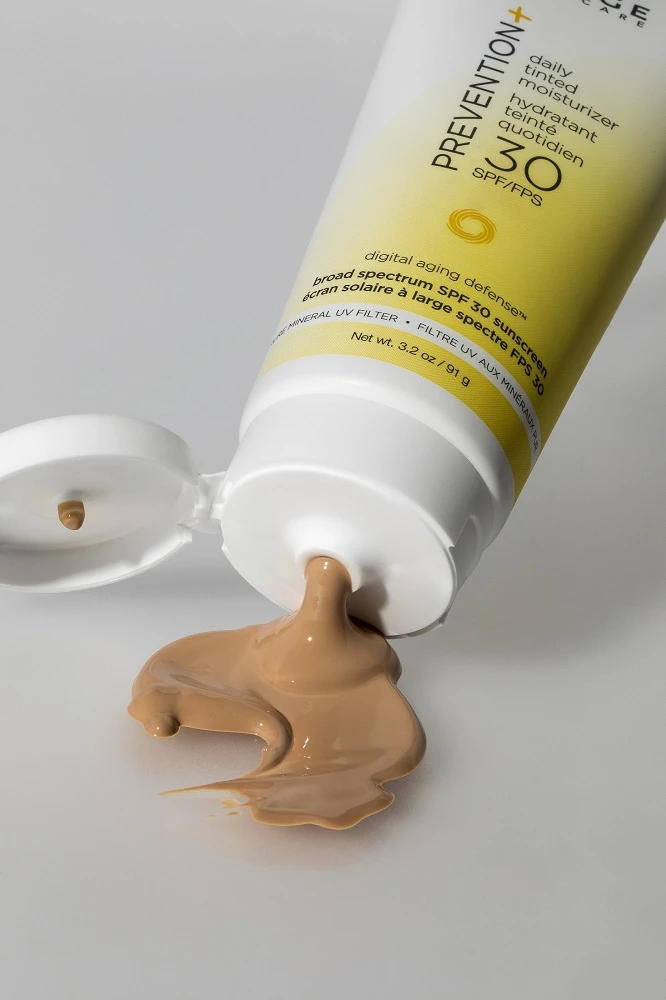
5. Sunscreen
Okay, let's talk about sunscreen. I know, I know, it's probably the least exciting part of a skincare routine, but honestly, it's a big deal for keeping your skin looking good long-term. Think of it as your daily shield. UV rays from the sun are the main reason we see wrinkles, dark spots, and skin that just doesn't bounce back like it used to. Even on cloudy days, those rays are still getting through, and yes, even through windows when you're inside.
Making sunscreen a non-negotiable part of your morning routine is probably the single best thing you can do for anti-aging. It's not about avoiding the sun entirely, but about protecting your skin from its damaging effects. You want to look for a broad-spectrum sunscreen, which means it protects against both UVA and UVB rays. SPF 30 or higher is generally recommended for daily use.
Here’s a quick rundown on what to look for:
- Broad Spectrum Protection: Guards against both UVA (aging rays) and UVB (burning rays).
- SPF 30 or Higher: Provides a good level of protection for everyday wear.
- Lightweight Formula: Nobody likes a greasy feel, so opt for something that absorbs easily.
- Added Antioxidants: Some sunscreens include extra goodies that help fight off environmental damage.
Applying sunscreen should be the very last step in your morning skincare routine, right after your moisturizer has had a chance to soak in. It’s the final layer of defense for your skin.
If you have sensitive skin, you might want to check out mineral sunscreens, which often use zinc oxide or titanium dioxide. They tend to be gentler. The key is to find one you actually like using, because if it's a chore, you're less likely to do it every single day. And consistency is really where the magic happens with sun protection.
6. Antioxidant-Rich Foods
You know, what you put into your body really does show up on your skin. It's not just about slathering on creams; eating the right stuff makes a big difference. A diet packed with antioxidants is like giving your skin an internal shield against damage. Think of it as feeding your skin from the inside out. These little powerhouses help fight off those nasty free radicals that can make your skin look tired and aged.
So, what should you be munching on? Load up your plate with colorful fruits and vegetables. Berries, like blueberries and raspberries, are loaded with them. Leafy greens such as spinach and kale are also fantastic. Don't forget nuts and seeds – they offer vitamin E and healthy fats that your skin will love. These plant-based foods are your best friends for a naturally radiant complexion.
Here are a few ideas to get you started:
- Berries: Blueberries, strawberries, raspberries – great for fighting free radicals.
- Leafy Greens: Spinach, kale, Swiss chard – packed with vitamins and minerals.
- Nuts & Seeds: Almonds, walnuts, sunflower seeds – provide healthy fats and vitamin E.
- Citrus Fruits: Oranges, grapefruits – a good source of vitamin C.
Making conscious food choices is a simple yet effective way to support your skin's health and appearance. It's about nourishing your body with the building blocks it needs to stay vibrant and resilient.
It might sound simple, but consistently incorporating these foods into your meals can really help repair damage and boost your skin's natural glow. It's a delicious way to work towards that youthful radiance we're all after. You can find more information on how plant based foods benefit the skinand contribute to a healthier you.
7. Green Coffee Bean Extract
You might have heard about green coffee beans for weight loss, but they're also pretty great for your skin. This extract is packed with antioxidants, which are like little bodyguards for your skin cells, fighting off damage from things like pollution and sun exposure. It's known to help improve skin elasticity and can even reduce the appearance of fine lines.
Think of it as a natural way to give your skin a little boost. It contains compounds like chlorogenic acid, which has anti-inflammatory properties. This can help calm down redness and irritation. Plus, it has essential fatty acids that help keep your skin moisturized and feeling smooth.
When you see green coffee bean extract in skincare products, it's usually there to help rejuvenate the skin. It's not a miracle cure, of course, but it's a nice ingredient to have in your routine if you're looking for that extra bit of radiance and want to support your skin's natural defenses.
Using products with green coffee bean extract can contribute to a more even skin tone and a brighter complexion over time. It's a natural ingredient that works with your skin's own processes.
Here's what makes it a good addition:
- Antioxidant Power: Fights free radicals that can age your skin.
- Improves Elasticity: Helps skin feel firmer and more supple.
- Calms Inflammation: Can reduce redness and irritation.
- Hydration Support: Contains fatty acids that help lock in moisture.
8. Cranberry Extract
You know, berries are pretty amazing for your skin, and cranberries are no exception. They're packed with stuff that helps keep your skin looking good. Think of them as little powerhouses of goodness.
Cranberries have a good amount of vitamins, like A, C, and E. These vitamins do a lot of work behind the scenes. Vitamin C, for example, is known for brightening things up and helping with collagen production, which is what keeps your skin firm. Vitamin E is a good antioxidant, and vitamin A helps with skin cell turnover. Together, they can really make a difference.
One of the cool things about cranberry extract is its antioxidant properties. These help fight off those nasty free radicals that can mess with your skin cells and make you look older. It’s like giving your skin a little shield against daily wear and tear. Plus, they can help keep your skin hydrated, which is always a win. You can find cranberry extract in a lot of organic skincare products these days, often paired with other beneficial ingredients like green coffee bean extract for an extra boost. It's a nice addition to a routine focused on keeping skin looking fresh and youthful natural ingredients for glowing skin.
Here’s a quick rundown of what cranberry extract brings to the table:
- Antioxidant protection: Helps defend skin from environmental damage.
- Hydration boost: Keeps skin feeling moisturized and supple.
- Brightening effects: Contributes to a more even and radiant complexion.
- Collagen support: Aids in maintaining skin's firmness and elasticity.
It's interesting how something as simple as a cranberry can offer so many benefits for our skin. The natural compounds work together to protect, hydrate, and rejuvenate, making it a great ingredient to look for in your anti-aging skincare.
9. Apple Stem Cells
You might have heard about stem cells in skincare, and it's not just hype. Specifically, apple stem cells are pretty interesting. These aren't actual stem cells from people, but rather plant-derived ones, usually from a special type of Swiss apple known for its longevity. The idea is that these plant stem cells can help protect your own skin cells from damage and keep them looking younger for longer.
They work by helping to protect your skin's own stem cells and encouraging them to repair and renew themselves. Think of it like giving your skin a little boost to keep its natural functions running smoothly. This can lead to skin that looks firmer and has fewer fine lines.
Here's a bit more on what they aim to do:
- Protect skin cells: They contain compounds that act like shields against environmental stress.
- Promote renewal: They can signal your skin cells to regenerate, which is key for a fresh look.
- Improve texture: Over time, you might notice your skin feels smoother and looks more even.
The science behind it involves how these plant stem cells can influence the behavior of our skin cells, helping to maintain their vitality and function. It's a way to tap into nature's own regenerative power for your complexion.
While they're often found in serums and creams, look for products that clearly state they use apple stem cell extract or a similar derivative. It’s a neat way to add a bit of advanced, plant-based science to your routine.
10. Sleep
You know, they say beauty sleep is a real thing, and honestly, I'm starting to believe it. While we're catching those Z's, our bodies are busy doing all sorts of repair work, and our skin is no exception. It's like a nightly spa treatment that happens all on its own. Getting enough quality sleep helps your skin recover from the day's stresses, reduces puffiness, and can even make those fine lines look a little less noticeable.
Aim for at least 7 to 8 hours of uninterrupted sleep each night. This isn't just about feeling less tired; it's about giving your skin the time it needs to regenerate. When you're sleep-deprived, your skin can look dull and tired, and those under-eye circles become way more obvious. Plus, consistent sleep helps manage stress hormones, which we all know can wreak havoc on our complexions.
Here’s a simple way to think about your nighttime routine:
- Cleanse thoroughly: Get rid of makeup and the day's grime.
- Apply your treatments: This is the perfect time for serums and moisturizers to work their magic.
- Rest: Let your body and skin do their thing.
Think of it as a crucial part of your overall skincare strategy, right alongside yourorganic anti-aging night creams. It’s a natural process that supports everything else you do to keep your skin looking its best. So, try to make sleep a priority – your skin will definitely thank you for it.
Your Journey to Naturally Radiant Skin
So, there you have it. Taking care of your skin doesn't have to be complicated or involve a ton of harsh chemicals. By focusing on natural ingredients, staying hydrated, and being consistent with a simple routine, you can really make a difference. Remember, it's about nurturing your skin with what it needs, like good food, plenty of water, and protection from the sun. Think of these tips as your guide to helping your skin look and feel its best, no matter your age. It’s all about finding what works for you and sticking with it. Your skin will definitely thank you.
Frequently Asked QuestionsQ1.
What are the best organic ingredients for anti-aging?
Some of the best organic ingredients for fighting aging include Vitamin C, Hyaluronic Acid, and various antioxidants found in fruits like cranberries and coffee beans. Plant stem cells, such as those from apples, are also great for renewing skin cells. These ingredients help protect your skin, keep it hydrated, and make it look younger.
Q2. How does Vitamin C serum help my skin?
Vitamin C serum is like a superhero for your skin! It's packed with antioxidants that fight off bad stuff like pollution and sun damage. It also helps make your skin brighter, fades dark spots, and encourages your skin to make more collagen, which keeps your skin looking plump and youthful.
Q3. Why is hydration so important for anti-aging?
Think of your skin like a sponge. When it's hydrated, it looks plump, smooth, and bouncy. When it's dry, it can look dull and wrinkles become more noticeable. Keeping your skin hydrated, both by drinking water and using moisturizers, helps maintain its elasticity and makes it look younger and healthier.
Q4. How often should I exfoliate my skin?
It's important to exfoliate, but not too much! Exfoliating helps remove dead skin cells that can make your skin look dull. For most people, exfoliating once or twice a week with a gentle product is enough. Over-exfoliating can harm your skin, so be gentle.
Q5. Does sunscreen really prevent aging?
Yes, absolutely! Sunscreen is probably the most important thing you can do to prevent your skin from aging too quickly. The sun's rays can cause wrinkles, dark spots, and make your skin lose its firmness. Wearing sunscreen every day, even when it's cloudy, is a key secret to keeping your skin looking young.
Q6. How does sleep affect my skin's appearance?
When you sleep, your body works hard to repair itself, and that includes your skin. Getting enough good sleep (about 7-8 hours) helps your skin recover from the day's stress. It can make your skin look less tired, reduce puffiness, and help you wake up with a brighter, more refreshed complexio





Sign in to leave a comment.