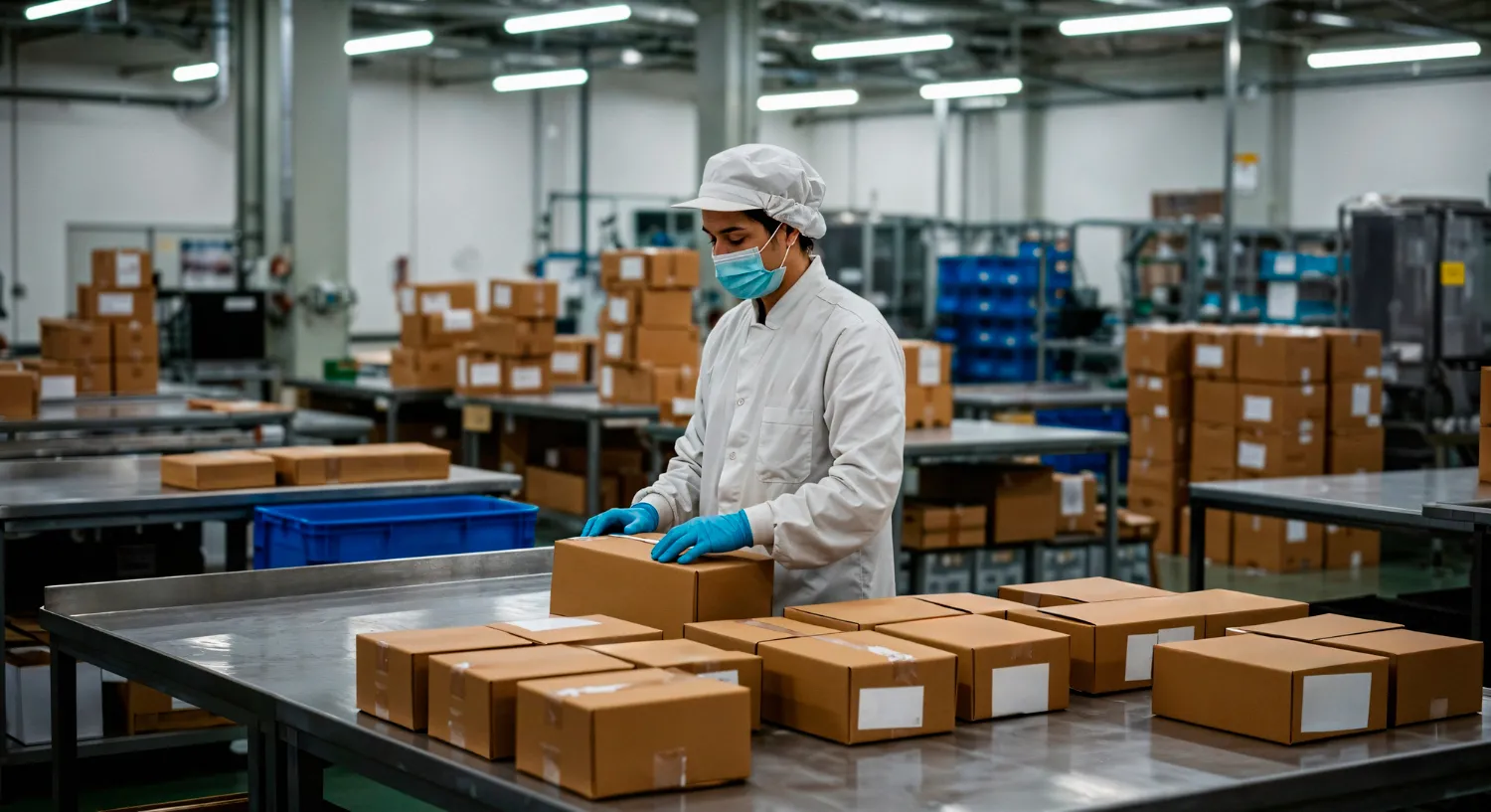

Packaging plays a vital role in protecting products throughout the supply chain, from manufacturing facilities to end consumers. Beyond aesthetics and branding, packaging serves as the first line of defense against physical damage, contamination, moisture, environmental conditions, and handling stresses during storage and transportation. As industries become increasingly competitive and regulatory requirements continue to evolve, ensuring the quality and reliability of packaging has become more important than ever.
This is where packaging testing becomes essential. Packaging testing helps manufacturers evaluate the strength, durability, safety, and performance of packaging materials under various conditions. By identifying weaknesses before products reach the market, businesses can reduce losses, improve customer satisfaction, and maintain compliance with industry standards.
Whether it is food packaging, pharmaceutical packaging, consumer goods packaging, or industrial packaging, comprehensive testing helps ensure that products arrive safely and maintain their intended quality throughout their lifecycle.
In this article, we will explore how packaging testing improves product protection and performance, the different testing methods used by laboratories, applicable standards, and the importance of selecting the right testing partner.
What is Packaging Testing?
Packaging testing is the process of evaluating packaging materials, containers, and packaging systems to determine their ability to protect products during transportation, storage, handling, and use.
The objective of testing is to verify that packaging performs as intended under real-world conditions. Testing helps manufacturers understand how packaging materials respond to pressure, impact, vibration, environmental exposure, and other factors that may affect product integrity.
Today, packaging testing is widely used across industries such as:
- Food and beverages
- Pharmaceuticals
- Cosmetics
- Consumer electronics
- Household products
- Industrial goods
- E-commerce packaging
As products travel through increasingly complex supply chains, packaging performance has become a critical factor in overall product quality and customer satisfaction.
Why Packaging Testing Matters
Packaging failures can lead to significant business losses. Damaged products, product contamination, leakage, and customer complaints can negatively impact brand reputation and profitability.
Effective packaging testing helps businesses:
Protect Products
Testing ensures packaging can withstand transportation, stacking, and environmental conditions without compromising product integrity.
Reduce Product Damage
Properly tested packaging reduces the risk of breakage, leakage, crushing, and deformation during shipping.
Improve Customer Satisfaction
Consumers expect products to arrive in perfect condition. Reliable packaging contributes directly to a positive customer experience.
Support Regulatory Compliance
Many industries must comply with specific packaging testing standards and regulatory requirements.
Optimize Packaging Design
Testing helps manufacturers identify opportunities to improve packaging efficiency while maintaining product protection.
Understanding Packaging Materials Testing
Packaging materials testing focuses specifically on evaluating the physical, chemical, and mechanical properties of packaging materials.
Common packaging materials include:
- Paper and paperboard
- Corrugated boxes
- Plastic films
- Flexible packaging
- Glass containers
- Metal packaging
- Composite materials
Testing these materials helps determine their suitability for intended applications.
Key properties evaluated include:
- Strength
- Durability
- Barrier performance
- Flexibility
- Tear resistance
- Compression resistance
- Moisture resistance
Packaging materials testing provides valuable insights into product performance under various environmental and handling conditions.
Common Packaging Testing Methods
Various packaging testing methods are used to evaluate packaging performance. The choice of method depends on the product type, packaging material, and intended application.
Compression Testing
Compression testing measures the ability of packaging to withstand stacking loads during storage and transportation.
This test is especially important for:
- Corrugated boxes
- Shipping containers
- Bulk packaging
Drop Testing
Drop testing simulates accidental drops that may occur during handling and shipping.
The test evaluates:
- Package integrity
- Product protection
- Structural performance
Vibration Testing
Vibration testing replicates transportation conditions experienced during road, rail, sea, or air transport.
The objective is to determine whether packaging can protect products from continuous movement and shock.
Burst Strength Testing
Burst strength testing evaluates the maximum pressure a material can withstand before failure.
It is commonly used for:
- Paper packaging
- Corrugated board
- Cartons
Tensile Strength Testing
This method measures the force required to pull a material until it breaks.
It helps assess:
- Material durability
- Flexibility
- Structural integrity
Seal Integrity Testing
Seal integrity testing ensures that packaging seals remain intact and prevent contamination or leakage.
It is widely used in:
- Food packaging
- Pharmaceutical packaging
- Flexible packaging
Environmental Testing
Packaging materials are exposed to:
- Heat
- Cold
- Humidity
- UV radiation
These tests help determine how packaging performs under different environmental conditions.
The Role of a Packaging Testing Lab
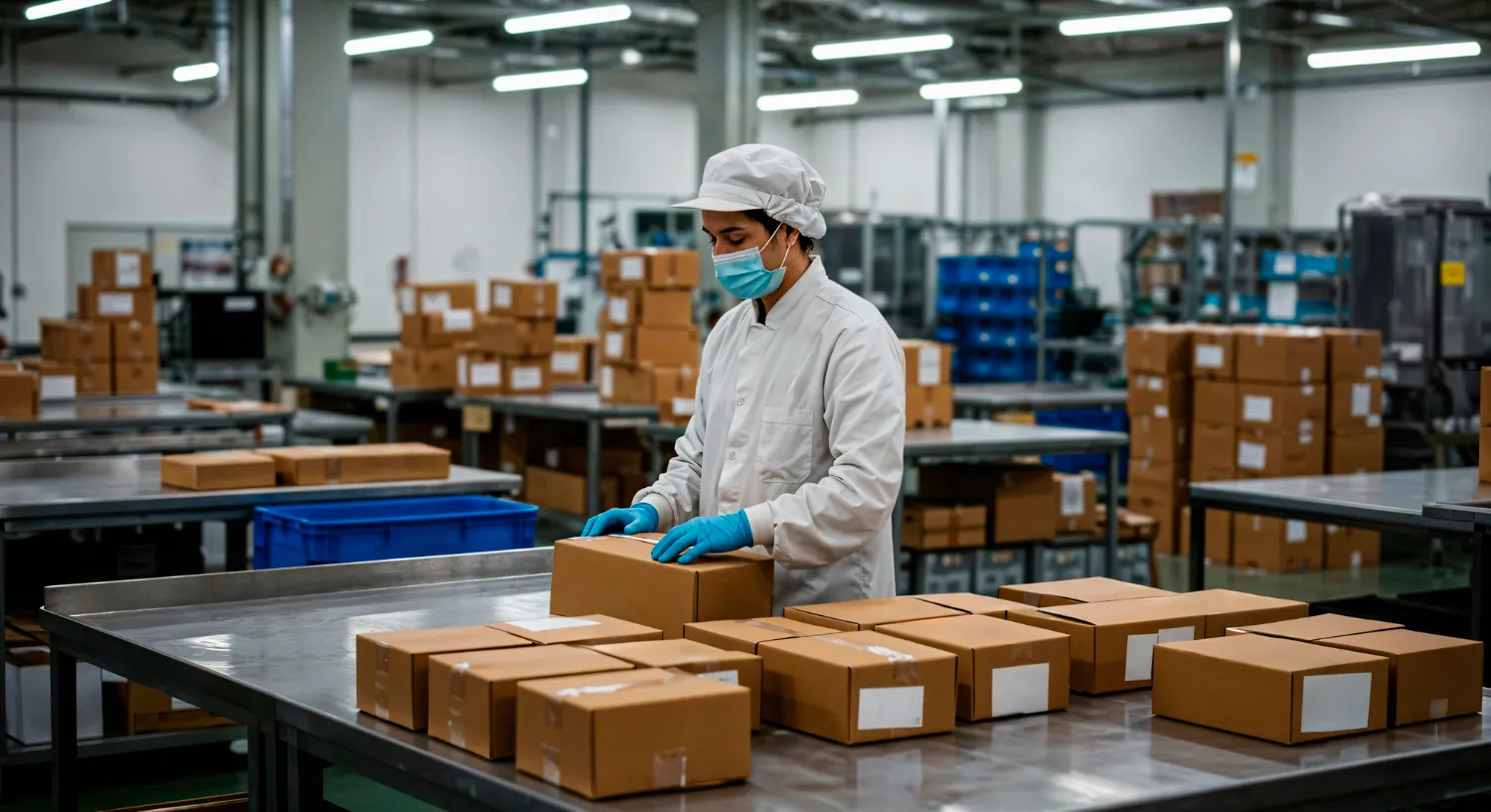
A professional packaging testing lab provides specialized testing services using advanced equipment and standardized procedures.
Laboratories help manufacturers:
- Verify packaging performance
- Ensure compliance with regulations
- Improve packaging designs
- Validate packaging materials
- Support product launches
A reliable packaging testing lab offers scientifically accurate evaluations that help businesses make informed decisions regarding packaging selection and design.
Importance of Packaging Testing Standards
Compliance with recognized packaging testing standards is essential for ensuring consistency, safety, and product quality.
Standards provide established procedures for evaluating packaging performance and allow manufacturers to compare results across different products and facilities.
Benefits of packaging testing standards include:
Consistency
Standardized methods ensure reliable and repeatable testing outcomes.
Regulatory Compliance
Many industries require compliance with national and international standards.
Improved Product Quality
Following standardized testing protocols improves packaging reliability and effectiveness.
Market Acceptance
Products supported by standardized testing are more likely to gain customer and regulatory confidence.
Examples of packaging standards may include requirements related to transportation testing, material performance, barrier properties, and durability assessments.
How Packaging Testing Services Support Businesses
Professional packaging testing services play a critical role in product development, quality assurance, and regulatory compliance.
These services help organizations:
Identify Packaging Weaknesses
Testing reveals design flaws and material limitations before products reach consumers.
Reduce Packaging Costs
Optimized packaging designs can lower material usage while maintaining performance.
Enhance Supply Chain Efficiency
Reliable packaging minimizes product losses and returns.
Improve Sustainability
Testing supports the development of lightweight and environmentally friendly packaging solutions.
Accelerate Product Launches
Validated packaging helps manufacturers meet regulatory and market requirements more efficiently.
Businesses across multiple industries rely on packaging testing services to maintain competitive advantages and protect brand reputation.
Packaging Testing and Product Performance
Packaging directly affects product performance throughout its lifecycle.
Maintaining Product Quality
Packaging must preserve product characteristics such as:
- Freshness
- Sterility
- Appearance
- Functionality
Preventing Contamination
Proper testing ensures packaging protects products from external contaminants.
Extending Shelf Life
Barrier testing helps evaluate protection against:
- Oxygen
- Moisture
- Light
These factors are especially important for food, pharmaceutical, and cosmetic products.
Supporting Transportation Safety
Products may travel thousands of kilometers before reaching consumers. Testing verifies that packaging can withstand transportation stresses without failure.
Choosing an Accredited Testing Laboratory
Selecting an Accredited testing laboratory near me is a critical decision for manufacturers seeking reliable packaging evaluations.
An accredited laboratory follows recognized quality management systems and technical procedures.
When selecting a laboratory, consider:
Accreditation Status
Verify that the laboratory operates as an Accredited testing lab recognized by relevant accreditation bodies.
Technical Expertise
Experienced professionals ensure accurate testing and interpretation of results.
Equipment and Infrastructure
Advanced testing equipment enables comprehensive evaluations across various packaging types.
Scope of Services
Choose a laboratory capable of performing the specific packaging tests required for your products.
Reporting Quality
Clear, detailed reports support compliance and product improvement initiatives.
NABL Accredited Labs in India
Many organizations prefer working with NABL accredited labs in India because they demonstrate technical competence and adherence to internationally recognized standards.
Benefits of NABL accreditation include:
- Increased confidence in test results
- Improved regulatory acceptance
- Enhanced credibility
- Consistent quality practices
For manufacturers serving domestic and international markets, NABL-accredited facilities provide valuable support in meeting quality and compliance requirements.
Importance of an Analytical Testing Laboratory
An analytical testing laboratory supports packaging evaluations through scientific analysis of materials and packaging components.
Analytical testing may include:
- Material characterization
- Chemical analysis
- Contaminant detection
- Barrier property evaluation
- Migration studies
These analyses help manufacturers better understand packaging behavior and ensure product safety.
The Role of a Quality Assurance Laboratory
A professional quality assurance laboratory helps organizations maintain packaging quality throughout production and distribution.
Quality assurance activities may include:
- Routine inspections
- Batch testing
- Process validation
- Performance verification
- Failure investigations
By integrating laboratory testing into quality management systems, businesses can reduce risks and improve packaging consistency.
Best Testing Services in India for Packaging Evaluation
With growing demand for quality and compliance, several laboratories offer specialized packaging evaluations across industries.
The Best Testing services in India typically provide:
- Comprehensive packaging assessments
- Material testing
- Performance evaluations
- Compliance testing
- Quality assurance support
Manufacturers should seek testing partners with strong technical capabilities, recognized accreditation, and experience in packaging applications.
Future Trends in Packaging Testing
The packaging industry continues to evolve due to changing consumer expectations, sustainability initiatives, and technological advancements.
Emerging trends include:
Sustainable Packaging Evaluation
Testing eco-friendly materials for durability and performance.
Smart Packaging Validation
Assessing packaging integrated with sensors and digital technologies.
Advanced Barrier Testing
Evaluating improved protection against moisture, oxygen, and contaminants.
E-Commerce Packaging Testing
Designing packaging capable of withstanding complex shipping environments.
As packaging innovation accelerates, testing laboratories will play an increasingly important role in ensuring product safety and performance.
Frequently Asked Questions (FAQs)
1. What is packaging testing?
Packaging testing is the process of evaluating packaging materials and systems to ensure they provide adequate protection, durability, and performance throughout storage, transportation, and use.
2. Why is packaging materials testing important?
Packaging materials testing helps identify weaknesses in packaging materials, ensuring products remain protected from damage, contamination, and environmental conditions.
3. What are the most common packaging testing methods?
Common packaging testing methods include compression testing, drop testing, vibration testing, burst strength testing, tensile strength testing, seal integrity testing, and environmental testing.
4. Why should I choose an accredited testing laboratory?
An accredited testing laboratory provides reliable, accurate, and recognized test results that support regulatory compliance and product quality assurance.
5. Are NABL accredited labs in India suitable for packaging testing?
Yes. NABL accredited labs in India follow internationally recognized quality standards and provide reliable testing services for packaging materials and packaging systems.
Conclusion
Packaging is far more than a container—it is a critical component of product protection, quality preservation, customer satisfaction, and regulatory compliance. Effective packaging testing, supported by scientifically validated packaging testing methods, helps businesses identify risks, optimize packaging designs, reduce costs, and improve overall product performance.
By partnering with a trusted packaging testing lab, manufacturers can ensure their packaging meets applicable packaging testing standards, withstands real-world challenges, and protects products throughout the supply chain. For organizations seeking reliable packaging testing services, advanced material analysis, and comprehensive quality evaluations, ITC Labs is a trusted choice. With expertise in packaging materials testing, modern laboratory infrastructure, and a commitment to quality, ITC Labs helps businesses achieve compliance, enhance product protection, and deliver superior packaging performance.




























Sign in to leave a comment.