
Considering dental implant placement to restore missing teeth and achieve a confident smile? While the benefits of dental implants are undeniable, concerns about pain are natural. This blog aims to demystify the pain associated with dental implant placement and empower you with knowledge to make informed decisions.
Understanding the Procedure:
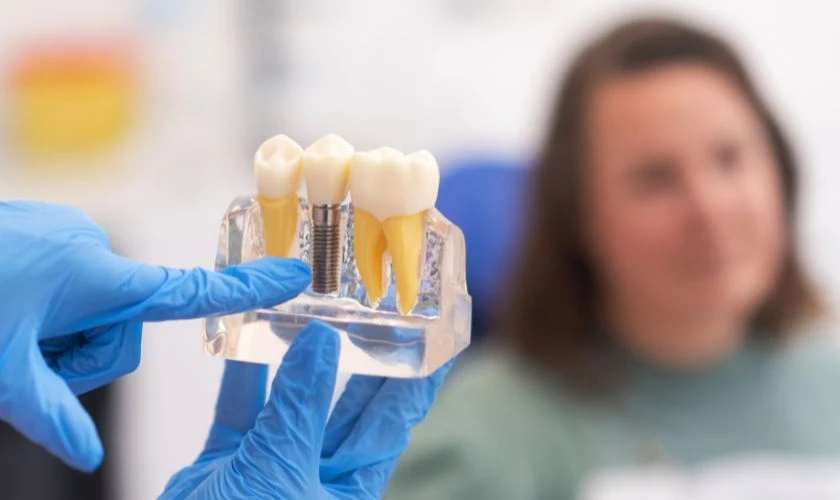
Dental implant placement involves surgically inserting a biocompatible titanium post into your jawbone to replace the root of a missing tooth. This post serves as a foundation for a permanent crown, bridge, or denture, offering a natural-looking and stable solution for missing teeth.
Addressing the Pain Factor:
The good news is that dental implant placement is typically performed under local anesthesia or conscious sedation. This significantly reduces discomfort during the procedure itself. You\'ll likely feel pressure or pushing sensations, but minimal to no pain.
Post-Operative Discomfort:
Following dental implant placement, some discomfort and swelling are to be expected. However, your dentist will prescribe medication to manage any post-operative pain effectively. Here\'s what to expect:
- The First Few Days: You might experience soreness and swelling around the implant site, which can be managed with pain medication.
- The First Week: Discomfort should gradually decrease, and swelling should start to subside.
- Healing Process: Complete healing of the jawbone around the implant can take several months. During this time, any residual discomfort should be minimal and manageable.
Minimizing Discomfort:
Several measures can help minimize discomfort after dental implant placement:
- Pain Medication: Take prescribed pain medication as directed by your dentist.
- Ice Packs: Apply ice packs to the outside of your face to reduce swelling.
- Soft Diet: Opt for soft foods that require minimal chewing for the first few days.
- Oral Hygiene: Maintain good oral hygiene by gently rinsing your mouth with salt water several times a day.
Watch this Video: https://youtu.be/4bhLamMczSU?si=TI4pj0MNw_a6I9Un
Individualized Experiences:
It\'s important to remember that pain tolerance varies from person to person. While some individuals experience minimal discomfort after dental implant placement, others might require additional pain management strategies. Communicate openly with your dentist in Woodbridge about your pain level and any concerns you might have.
Factors Affecting Pain:
Several factors can influence the level of discomfort experienced after dental implant placement:
- Complexity of the Procedure: The complexity of the surgery, such as single vs. multiple implants or bone grafting procedures, can impact post-operative discomfort.
- Individual Pain Tolerance: Everyone has a different pain threshold, and some individuals naturally experience more discomfort than others.
- Following Post-Operative Instructions: Following your dentist\'s post-operative instructions diligently, such as medication intake and dietary restrictions, can significantly impact your healing process and minimize discomfort.
Beyond the Pain: The Rewards of Dental Implants:
While some temporary discomfort is to be expected with dental implant placement, the long-term benefits outweigh any short-term concerns. Dental implants offer:
- Improved Function: Implants allow you to chew and speak normally, enhancing your quality of life.
- Enhanced Confidence: A complete and natural-looking smile can boost your confidence and self-esteem.
- Durable Solution: Dental implants are a long-lasting solution for missing teeth, often lasting a lifetime with proper care.
Taking the First Step:
If you\'re considering dental implants to restore missing teeth, schedule a consultation with a qualified dentist. They can discuss your individual case, answer your questions about pain management, and guide you through the entire process.
Frequently Asked Questions (FAQ):
Q: What can I do to prepare for dental implant surgery?
A: Your Woodbridge dentist will provide specific instructions on preparing for surgery. Generally, this may involve disclosing your medical history, avoiding certain medications beforehand, and fasting for a short period before the procedure.
Q: How long does it take to recover from dental implant surgery?
A: Complete healing of the jawbone around the implant can take several months. However, most patients experience significant improvement in comfort within a week of surgery.
Q: Are there any alternatives to dental implants?
A: Alternatives to dental implants include bridges and dentures. However, implants offer superior long-term stability and functionality compared to traditional options.
By understanding the procedure, pain management strategies, and the long-term benefits, you can make an informed decision about whether dental implant placement is the right choice for you. Remember, a confident smile and improved oral health are worth the temporary discomfort!











Sign in to leave a comment.