

Online education has transformed how children learn, offering flexibility, personalized pacing, and access to quality education from anywhere. As more families choose online school programs, parents play a crucial role in ensuring their children stay motivated, focused, and successful. With the right support system at home, students can thrive in virtual classrooms just as effectively as in traditional schools.
Here are practical ways parents can help their kids succeed in online learning programs.
1. Create a Dedicated Learning Space
A quiet, organized learning area helps children focus better during lessons. Set up a desk or small study corner free from distractions like television or noisy activity. Keep essential supplies such as notebooks, headphones, and chargers within reach.
When kids associate this space with learning, it builds a routine and encourages better concentration during part time online classes or full-day sessions.
2. Establish a Consistent Daily Routine
One of the biggest advantages of online learning programs is flexibility, but too much freedom can sometimes lead to procrastination. Parents should create a daily schedule that includes:
- Class time
- Breaks
- Homework hours
- Physical activity
- Family time
This structure helps children manage their time and stay on track with assignments while enjoying the benefits of remote education.
3. Stay Actively Involved in Learning
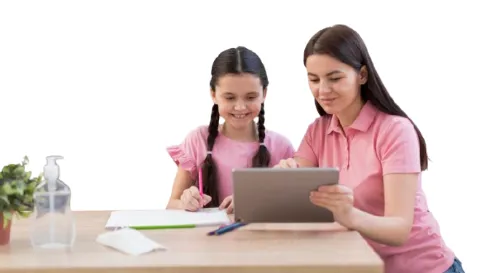
Regularly check your child’s progress, review completed assignments, and attend virtual parent-teacher meetings when available. Asking simple questions like “What did you learn today?” or “Which subject was most interesting?” shows interest and encourages engagement.
Schools like Virtual International School often provide online dashboards where parents can monitor attendance, performance, and progress, making it easier to stay informed and supportive.

4. Encourage Independence While Offering Guidance
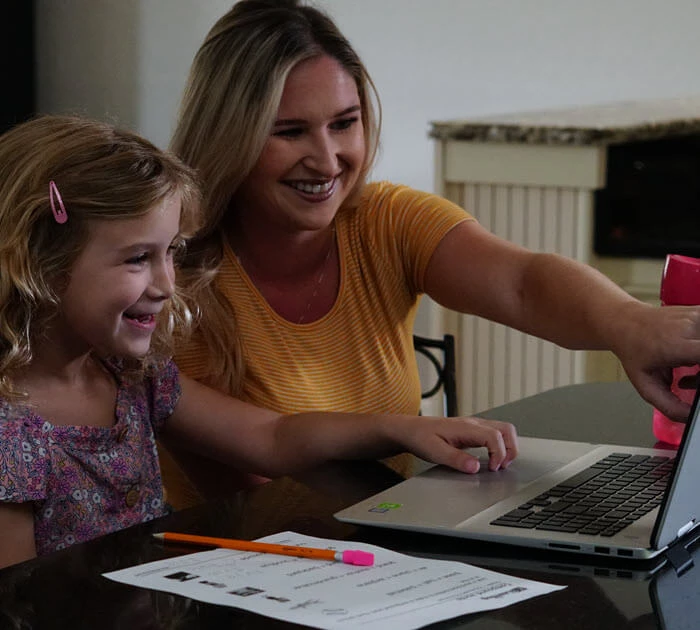
Online schooling helps children develop responsibility and self-discipline. Let your child complete tasks independently but be available to help when needed. This balance builds confidence while ensuring they don’t feel overwhelmed.
For younger students involved in preschool online learning, gentle supervision is especially important to help them follow lessons and participate in interactive activities.
5. Support Healthy Screen Habits
Since online school programs rely heavily on digital devices, it’s essential to manage screen time wisely. Encourage short breaks between classes, eye exercises, stretching, and outdoor play when possible.
Healthy habits prevent fatigue and help kids stay refreshed and focused throughout the day.
6. Foster Communication and Social Interaction
Some parents worry about limited socialization in virtual learning. To address this:
- Encourage participation in online group activities
- Arrange virtual study groups
- Enroll kids in extracurricular clubs or sports
These interactions help children build friendships and communication skills alongside their academic progress.
7. Celebrate Achievements and Progress
Recognizing your child’s hard work boosts motivation and confidence. Celebrate milestones such as completing a project, improving test scores, or staying consistent with daily classes.
Positive reinforcement makes online learning programs feel rewarding and enjoyable rather than stressful.
8. Provide Emotional Support
Transitioning to online education can be challenging at first. Children may feel isolated, confused, or frustrated. Listen to their concerns, reassure them, and remind them that it’s okay to ask for help.
Maintaining open communication creates a safe environment where kids feel comfortable sharing their struggles and successes.
9. Make Learning Fun and Interactive
Enhance virtual lessons with real-world activities. For example:
- Turn math into games
- Use science experiments at home
- Read together for language practice
This approach reinforces what kids learn in part time online classes while keeping them engaged and curious.
10. Partner With the School for Better Outcomes
Strong collaboration between parents and educators ensures the best learning experience. Stay updated on school announcements, attend webinars, and communicate regularly with teachers.
Institutions like Virtual International School offer resources, guidance, and structured programs to help families make the most of online education.
Final Thoughts
Online education offers incredible opportunities for students of all ages, from early learners in preschool online learning to older students balancing part time online classes. However, parental involvement remains the key factor in success.
By creating routines, staying engaged, offering emotional support, and promoting healthy habits, parents can transform online school programs into a positive and enriching experience. With teamwork between families and schools, children can grow academically, socially, and emotionally in the digital learning environment.


























Sign in to leave a comment.