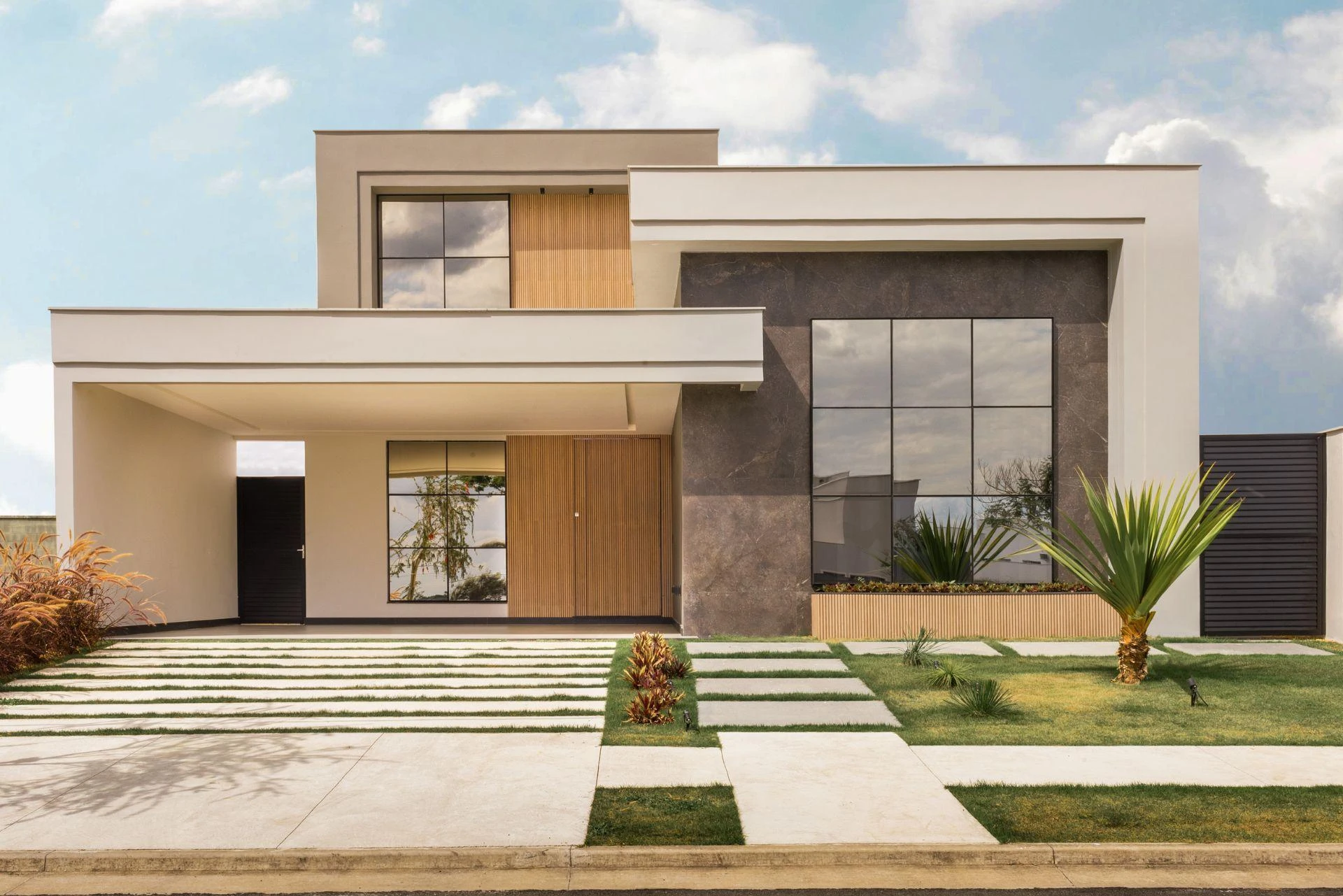

Passive House design, also known as "Passivhaus," is a rigorous building standard that originated in Germany. It's gaining momentum in Australia because it offers a powerful solution to the country's diverse and often extreme climate. Passive homes are not just about adding solar panels; they are built from the ground up to be ultra-energy-efficient, comfortable, and healthy.
Here's how passive homes are making a difference for people living in Australia:
1. Drastically Reducing Energy Bills
The core of a passive home is its "fabric-first" approach. This means the building itself is designed to do most of the work. By following these key principles, passive homes can reduce heating and cooling energy use by up to 90% compared to a conventional Australian home:
- Superior Insulation: A continuous, unbroken layer of insulation in the walls, roof, and floor prevents heat from escaping in winter and entering in summer.
- Airtight Construction: The home is meticulously sealed to prevent drafts and unwanted air leaks. This ensures that the conditioned air stays inside, and outside air (and pollutants like bushfire smoke) stays out.
- High-Performance Windows: Double or triple-glazed windows with insulated frames are used to minimize heat transfer. They are strategically placed to maximize natural light and passive solar heating in cooler months while being shaded from the summer sun.
- Thermal Bridge-Free Design: Thermal bridges are areas where heat can easily transfer through a building's structure (e.g., a steel beam in an external wall). Passive homes are designed to eliminate these weak points, ensuring consistent temperatures throughout the house.
2. Providing Unparalleled Comfort and Health
Beyond the financial savings, the way passive homes are built provides a superior living environment:
- Consistent Temperature: The combination of excellent insulation and airtightness means the home maintains a stable indoor temperature (typically 20-25°C) all year round, regardless of the weather outside. This eliminates cold spots and hot rooms.
- Exceptional Indoor Air Quality: Since the house is airtight, a mechanical ventilation system with heat recovery (MVHR) is essential. This system continuously extracts stale, moist air from the house and brings in fresh, filtered air from outside. It also recovers up to 90% of the heat from the outgoing air, pre-warming the incoming air in winter and pre-cooling it in summer. This process ensures a constant supply of fresh air while also filtering out dust, pollen, and other pollutants.
- Peace and Quiet: The well-sealed and insulated building envelope acts as an excellent sound barrier, significantly reducing noise from outside and creating a serene, peaceful living space.
3. Enhancing Durability and Resilience
The meticulous design and construction of passive homes also lead to long-term benefits:
- Reduced Mold and Condensation: The MVHR system effectively manages indoor humidity levels, preventing the build-up of condensation and the growth of mold, which can be a significant issue in many Australian homes.
- Built to Last: The emphasis on high-quality materials and construction techniques results in a more durable and resilient home that is less prone to moisture damage and requires less maintenance over time
.
By focusing on these core principles, passive homes are proving to be a wise investment for Australian homeowners, offering a comfortable, healthy, and affordable alternative to traditional housing.























Sign in to leave a comment.