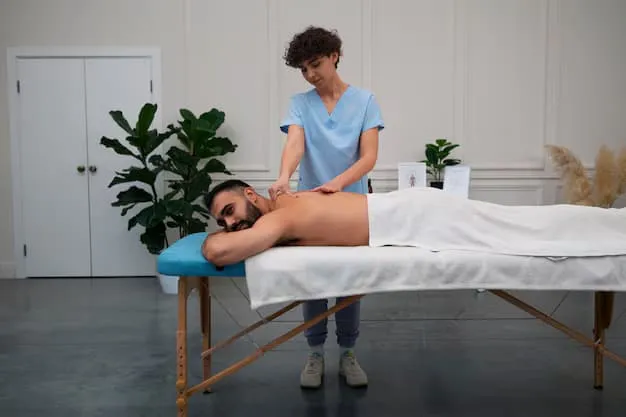

Maintaining an active lifestyle requires more than regular workouts, sports participation, or daily physical activity. Recovery also plays an important role in helping individuals manage muscle soreness, maintain mobility, and prepare for future movement demands. Massage is one approach that some active people include in their broader recovery routines, alongside adequate sleep, hydration, nutrition, and appropriate rest. Exploring peak performance massage can help individuals understand how massage therapy may complement exercise recovery, support relaxation, and encourage greater awareness of muscular tension while keeping individual needs and professional guidance at the center of the process.
Understanding the Importance of Active Recovery
Active recovery involves low intensity movement or supportive activities that help individuals transition between demanding exercise sessions. Rather than remaining completely inactive after every workout, a person may choose gentle walking, easy cycling, light stretching, or mobility exercises. The goal is to maintain comfortable movement without adding unnecessary physical stress while the body recovers from previous activity.
Recovery needs vary according to exercise intensity, training experience, age, health status, and individual goals. Someone completing a demanding strength session may need a different recovery strategy from a person participating in recreational walking. A balanced routine considers these differences and avoids treating every workout or recovery day in the same way.
Why Recovery Matters for Active Individuals
Exercise places demands on muscles, joints, and other body systems. Temporary soreness, fatigue, and stiffness can occur after unfamiliar or particularly challenging activities. Appropriate recovery gives the body time to adapt to training demands and helps individuals return to their routines with greater comfort.
Recovery is not determined by a single activity. Consistent sleep, adequate food intake, appropriate hydration, and sensible training progression all contribute to the process. Massage may be included as an additional comfort focused practice, but it should not replace these fundamental habits or be viewed as a guaranteed way to prevent injuries.
What Peak Performance Massage Involves
Massage therapy generally involves applying manual pressure or movement to soft tissues, including muscles and surrounding connective tissues. Techniques vary according to the practitioner's training, the client's preferences, and the purpose of the session. Some approaches emphasize gentle relaxation, while others use more focused pressure to address areas of muscular tension.
The term peak performance massage can describe a recovery focused approach intended to complement an active lifestyle. The specific services and techniques may differ between providers, so individuals should ask what a session includes before making an appointment. A qualified massage therapist should discuss the client's activity level, relevant health history, comfort preferences, and goals before selecting appropriate techniques.
Matching Massage Techniques to Individual Needs
Different massage approaches may suit different recovery preferences. Gentle massage can encourage relaxation, while moderate pressure may help some individuals feel less tense in specific muscle groups. More focused techniques may be considered for localized tightness when appropriate, although deeper pressure is not automatically more effective.
The choice of technique should depend on the person's condition and tolerance. Athletes recovering from strenuous activity may prefer a gentler session when muscles feel especially sensitive. Individuals with persistent or unexplained pain should seek appropriate medical evaluation rather than relying on massage alone. The most suitable approach is one that prioritizes comfort, safety, and realistic expectations.
Supporting Muscle Comfort After Exercise
Muscle soreness often develops after unfamiliar activity or exercise that places substantial demands on particular muscle groups. This response may be especially noticeable after downhill running, strength training, or activities involving repeated lengthening contractions. Massage may provide temporary relief from perceived soreness for some individuals, making ordinary movement feel more comfortable during recovery.
However, massage does not eliminate every source of muscle discomfort or guarantee faster physical recovery. Its effects can vary depending on the technique, timing, activity, and individual response. People should avoid assuming that reduced soreness means the body is fully recovered or ready for another demanding workout. Training decisions should also consider energy levels, strength, movement quality, and any persistent symptoms.
Addressing Areas of Muscular Tension
Active individuals may notice tension in areas such as the shoulders, upper back, calves, thighs, or lower back. Repetitive movements, prolonged sitting, training volume, and individual movement habits can influence where discomfort develops. A massage therapist may focus on these areas when the technique is appropriate and the client has no relevant contraindications.
Before treatment begins, the client should describe where tension occurs and whether certain movements increase discomfort. This information helps the therapist adapt pressure and positioning. If an area is swollen, acutely injured, unusually warm, or severely painful, direct massage may be inappropriate until the problem has been assessed by a healthcare professional.
Improving Relaxation and Recovery Awareness
Recovery involves both physical habits and the ability to recognize when the body needs a break. Massage sessions may provide a quiet period in which individuals can relax, reduce perceived stress, and become more aware of areas that feel tense or sensitive. This relaxation focused experience may be useful for people who balance demanding exercise schedules with work, family responsibilities, and other daily pressures.
Relaxation can be an important part of a sustainable wellness routine, although responses to massage differ from person to person. Some individuals feel calmer after a session, while others prefer different activities such as breathing exercises, quiet walking, or stretching. The most helpful recovery routine is one that fits personal preferences and can be maintained consistently.
The Connection Between Stress and Physical Comfort
Stress can influence sleep quality, perceived discomfort, and the ability to maintain healthy daily habits. People managing busy schedules may find it difficult to set aside time for rest, even when they exercise regularly. A massage appointment can provide structured time away from everyday demands and encourage a more deliberate approach to relaxation.
Massage should not be presented as a treatment for every stress related concern or as a substitute for professional mental health support when needed. Instead, it can serve as one optional component of a broader wellness strategy. Consistent sleep routines, reasonable workloads, enjoyable movement, and appropriate social support remain valuable parts of maintaining overall well being.
Incorporating Massage Into a Weekly Recovery Routine
The timing and frequency of massage should reflect the individual's activity schedule, recovery needs, and response to treatment. Some people prefer occasional sessions after particularly demanding periods, while others may find that periodic massage fits their general relaxation goals. There is no universal schedule that guarantees improved athletic performance or prevents injuries.
Individuals can start by observing how they feel after different forms of recovery. If massage provides meaningful comfort without causing excessive soreness or interfering with training, it may be a useful addition. If a session produces significant discomfort or symptoms become worse, the person should discuss the response with the therapist and consider seeking medical guidance when appropriate.
Choosing the Right Time for a Session
Massage timing can depend on the type of exercise and the pressure used during treatment. Gentle massage may be comfortable after routine activity, while intense or unfamiliar techniques may leave some people temporarily sore. Individuals preparing for an important competition or demanding training session should avoid experimenting with unfamiliar treatments immediately beforehand.
A massage therapist can help clients discuss timing based on their preferences and schedule. However, massage should not replace a gradual warm up before exercise or appropriate cool down activities when those are part of the training plan. Each activity has a different purpose, and recovery strategies work best when they complement rather than compete with one another.
Balancing Massage With Rest and Movement
Massage is most useful as part of a balanced recovery routine rather than as a stand alone solution. Gentle movement may help individuals remain comfortable between demanding workouts, while planned rest days provide opportunities to reduce training load. Adequate sleep and sufficient nutrition are also essential for supporting normal recovery and adaptation.
A person who feels unusually fatigued, experiences declining performance, or notices persistent pain may need to reduce training intensity and seek professional advice. Adding more massage appointments does not necessarily address the underlying reason for these symptoms. Recognizing when to rest, adjust training, or seek evaluation is an important aspect of long term activity management.
Communicating With a Massage Therapist
An effective massage session begins with clear communication. Clients should explain their activity level, recent workouts, areas of tension, previous injuries, and any medical conditions that may affect treatment. They should also share their preferred pressure level and any concerns about positioning or specific techniques.
A qualified therapist should explain the proposed approach and invite feedback throughout the session. Clients can request lighter pressure, ask for a technique to be changed, or stop treatment whenever necessary. Discomfort should not be treated as proof that a massage is working. Open communication helps ensure that the session remains appropriate for the person's comfort and individual circumstances.
Understanding Health and Safety Considerations
Massage may not be suitable in every situation. Certain injuries, skin conditions, circulation problems, bleeding disorders, or other medical circumstances may require modifications or medical clearance. Clients should disclose relevant health information before treatment and follow advice from their healthcare providers when necessary.
Massage should not be used to treat a suspected fracture, unexplained severe pain, or a significant acute injury without appropriate evaluation. Sudden swelling, marked weakness, severe pain, or other concerning symptoms warrant medical attention. A responsible therapist recognizes professional limits and refers clients for medical assessment when a concern falls outside the scope of massage therapy.
Measuring Whether Massage Supports Recovery Goals
People can evaluate massage by observing changes in comfort, relaxation, and everyday function rather than relying on a single impression immediately after a session. They may notice whether walking, stretching, or routine activities feel easier, or whether they experience less perceived tension following treatment. Recording these observations can help identify whether massage is providing a meaningful benefit.
It is equally important to consider the overall training routine. Improvements in exercise tolerance may result from several factors, including better sleep, more appropriate training volume, improved nutrition, and consistent movement habits. Massage should not automatically receive credit for every positive change. A balanced evaluation considers the complete recovery plan and adjusts individual elements when needed.
Setting Realistic Expectations
Some individuals may experience temporary relief after massage, while others notice little difference. Benefits can depend on personal preferences, the type of treatment, and the condition being addressed. Massage is not a guaranteed method for increasing strength, improving athletic performance, or preventing future injuries.
Realistic expectations help individuals make decisions based on personal experience and reliable guidance. If massage supports relaxation and makes recovery periods more comfortable, it may be worth maintaining as part of a broader routine. If it does not provide noticeable value, other strategies may be more suitable. Recovery plans should remain flexible and responsive to changing needs.
Building Sustainable Habits for Long Term Activity
A sustainable active lifestyle depends on consistency rather than relying on one recovery technique. Individuals benefit from choosing an exercise schedule that matches their current fitness level, increasing training demands gradually, and allowing sufficient time for rest. Regular mobility work, balanced nutrition, hydration, and quality sleep can support these efforts over time.
Massage can complement these habits when it aligns with the person's needs and preferences. It may offer a practical opportunity to focus on muscular comfort and relaxation, particularly during demanding training periods. However, long term progress depends on the overall quality of the routine, not the number of recovery services used. Listening to the body and adjusting activity levels remain essential.
Making Recovery a Regular Priority
People often focus heavily on training goals while treating recovery as an afterthought. Building recovery time into a weekly schedule can encourage better balance and help individuals notice early signs of fatigue. This may include planning easier activity days, maintaining consistent sleep times, and setting aside opportunities for relaxation.
Individuals should also understand that recovery needs can change during periods of increased workload, travel, illness, or competition preparation. A flexible approach allows the routine to adapt without creating unnecessary pressure. Massage may fit into that routine periodically, provided it remains comfortable, appropriate, and supportive of the individual's broader health goals.
Conclusion
An effective active recovery routine combines sensible training, rest, hydration, nutrition, and activities that support comfort and relaxation. Massage may complement these habits by helping some individuals manage perceived muscle tension and feel more comfortable after physical activity, although results vary. When exploring recovery services, Chiropractic Massage can be part of a broader discussion about selecting suitable wellness support and understanding available massage approaches. The best routine is one that reflects individual needs, respects safety considerations, and supports consistent movement without promising guaranteed results. With realistic expectations and clear communication, active individuals can make informed decisions about whether massage belongs in their long term recovery plan.























Sign in to leave a comment.