
You wake up, and the ache is already there. You’ve tried pills, stretches, heat packs, and rest. Months later, the pain is still around, and it starts to feel like part of who you are.
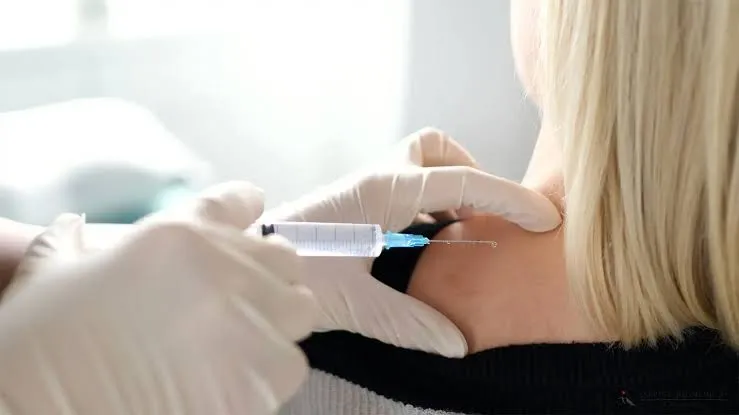
If that sounds familiar, you may have heard of a quiet option. It is a tiny, sugar-based shot placed just under the skin near an irritated nerve. It’s called perineural injection therapy, or PIT. Some people feel relief after a few visits. Others don’t. This guide explains how it works, what research says so far, and what to ask before you book.
What Is Perineural Injection Therapy?
Perineural injection therapy uses dextrose, a sugar that is chemically the same as blood sugar, injected near nerves that run close to the skin. The method comes from New Zealand doctor John Lyftogt. He noticed that dextrose placed over painful nerves quickly calmed skin areas that had become oversensitive.
How PIT Differs From Prolotherapy
People mix these two up. Prolotherapy aims to repair tendons and ligaments. PIT aims at the nerves themselves, to calm nerve-driven pain.
Why Some People Prefer It to Steroid Shots
One case report described a patient who turned down a steroid shot because she feared side effects. The authors noted that 5% dextrose is considered less harmful than steroid injections.
How Perineural Injection Therapy Eases Chronic Pain
The main theory is simple. When nerve cells are injured, they can lose energy and keep sending pain signals. Dextrose may feed those cells and help them settle down. Doctors still call this a proposed explanation, so think of it as a working idea, not a proven fact.
What a Visit Looks Like
Sessions are short. One trial plan uses a thin 27-gauge needle to place 1 to 2 cc of buffered 5% dextrose just under the skin over tender nerve spots. Treating pain along a knee-replacement scar can take just a few minutes. Perineural injections are usually given as a series, not as a one-time fix.
What Does the Research Say?
- A Korean study of 112 people compared dextrose with lidocaine for nerve pain, including trigeminal neuralgia, shingles pain, CRPS, and neuropathy. Only a few bruises were reported.
- A 2025 case report followed a woman with lasting pain after carpal tunnel surgery. Her pain score fell from 8 out of 10 to 2 out of 10 after three sessions.
- New trials are testing the approach for fibromyalgia and frozen shoulder.
There’s a catch. Most studies are small. A physical medicine group says the evidence behind this kind of dextrose injection is still developing. So the evidence for perineural injection therapy looks promising, but it isn’t settled.
Who Might Consider Perineural Injection Therapy?
Pain Problems People Ask About
Case reports and clinics mention nerve pain, plantar fasciitis, carpal tunnel symptoms, and scar pain after surgery. If your pain hasn’t improved with usual care, it may be worth a conversation with a trained provider.
How Many Sessions to Expect
Many clinics plan 4 to 6 treatments, spaced from about a week to a month apart. Relief after the first visit may last only a few hours. Another clinic aims for 6 to 8 weekly visits. Treat these numbers as clinic estimates, not promises.
Why Neural Therapy Practitioners Matter
Nerves sit in tight, crowded spaces, so results depend on knowing exactly where to inject. That makes training important. Programs like Learn Neural Therapy teach physicians, PAs, NPs, chiropractors, and acupuncturists through in-person and online classes. Before you book, ask any provider three things:
- What training do you have?
- Which nerves do you treat?
- How many sessions do you expect I’ll need?
Neural therapy injections also cover more than PIT. Advanced classes teach ganglion and specialty injections.
Take the Next Step
Chronic pain can wear you down, but you have options to explore. Perineural injection therapy may help some people, and a skilled provider makes a big difference. Look for trained neural therapy practitioners near you, and ask how neural therapy injections fit your case.
Are you a clinician? Visit learnneuraltherapy.com to view classes or find a provider.
FAQs
Is perineural injection therapy safe?
Studies report mostly minor effects, such as small bruises at the injection site. Still, share your full health history with the provider, including any diabetes.
Does it hurt?
Expect brief pinpricks. Ask your provider how they keep you comfortable.
How is neural therapy different from PIT?
Neural therapy is the broader approach of using injections to influence the nervous system. PIT is one style that focuses on nerves just under the skin.
Does insurance cover it?
Coverage varies by plan and clinic, so ask the office before your first visit.
























Sign in to leave a comment.