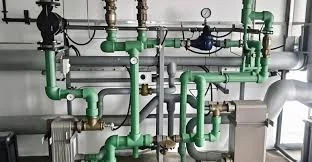
Walk into any factory, power plant, or construction site, and you’ll see a maze of pipes running in every direction. What keeps these complex systems running safely and efficiently isn’t just the pipes themselves it’s the fittings and valves that control, direct, and protect the flow inside them. These small but mighty components are what make modern industry possible.
In this post, we’ll explore how pipe fittings and valves work together to ensure reliability across different industries and highlight the unique role of brass pipe fittings and flanges in keeping operations running smoothly.
Why Pipe Fittings and Valves Are So Important
Imagine a pipeline without joints or control points it would be nearly impossible to install, maintain, or repair. Pipe fittings and valves solve that problem. They allow pipelines to change direction, adjust pressure, stop flow when needed, and connect sections of different sizes or materials.
Together, they:
- Maintain safety by controlling pressure and preventing leaks.
- Support efficiency by regulating fluid or gas flow.
- Provide flexibility for repairs, extensions, and system modifications.
In short, these parts are the “connective tissue” of every fluid-handling system, from water treatment plants to oil refineries.
The Role of Brass Pipe Fittings in Industrial Systems
When it comes to versatility and durability, brass pipe fittings are among the most trusted choices in many industries. Brass, an alloy of copper and zinc, brings several unique advantages that make it ideal for handling water, gas, air, and even mild chemicals.
Why Brass?
- Corrosion Resistance: Brass naturally resists rust, making it suitable for humid or corrosive environments.
- Malleability: It’s easier to shape and thread than many other metals, which simplifies installation.
- Temperature Tolerance: Brass fittings perform well in both hot and cold systems.
You’ll often find brass fittings in plumbing, HVAC, and even food processing setups because they don’t easily degrade or contaminate the medium flowing through them.
In addition, brass fittings help maintain system integrity over years of use, reducing the risk of leaks and unnecessary downtime a key factor in industries where reliability is non-negotiable.
Valves: The System’s Control Mechanism
If fittings are the connectors, valves are the gatekeepers. They control when, how, and how much material moves through a pipeline.
Some of the most common valve types include:
- Ball Valves – Quick shutoff and simple operation.
- Gate Valves – Ideal for full open or close control.
- Globe Valves – Great for regulating flow rates.
- Check Valves – Prevent backflow and system damage.
Valves ensure that pipelines don’t just transport materials they do so safely and on demand.
The Importance of Flanges in Heavy-Duty Operations
In large industrial systems such as oil refineries, chemical plants, or power generation facilities piping must often be disassembled for inspection or maintenance. This is where flanges come in.
A flange is a circular disc used to join two pipe ends securely, often with bolts and gaskets. Unlike permanent joints, flanges allow for easy separation without cutting into the pipe, which saves time and prevents unnecessary damage.
Key Benefits of Using Flanges
- Ease of Maintenance: Pipes can be opened for cleaning or inspection.
- Strong Connections: Bolted flanges provide robust and leak-proof joints.
- Versatility: Available in various materials like steel, stainless steel, and alloy to suit specific environments.
Flanges are especially important in high-pressure systems, where even a small leak can lead to costly downtime or safety hazards.
Ensuring Reliability Across Different Industries
From energy production to construction and manufacturing, fittings and valves are essential for safe, consistent operation. Here’s how they serve a few major sectors:
- Oil & Gas: High-pressure fittings and corrosion-resistant valves prevent leaks and accidents.
- Construction: Used in plumbing, fire safety, and HVAC systems to distribute fluids and air effectively.
- Water Treatment: Durable fittings and valves ensure clean, controlled flow in purification systems.
- Manufacturing: Help maintain steady flow rates and system stability in production lines.
Reliability in these sectors depends on precision. Every joint, connection, and valve plays a part in keeping the process efficient and safe.
Final Thoughts
Pipe fittings and valves might not be glamorous, but they’re the unsung heroes behind the world’s infrastructure. Whether it’s brass pipe fittings in a plumbing system or
flanges securing high-pressure lines in a refinery, their reliability directly translates to safety, efficiency, and long-term performance.
So next time you pass by a network of pipes, remember it’s these quiet components that keep everything flowing, from the water in your sink to the fuel that powers entire industries.










Sign in to leave a comment.