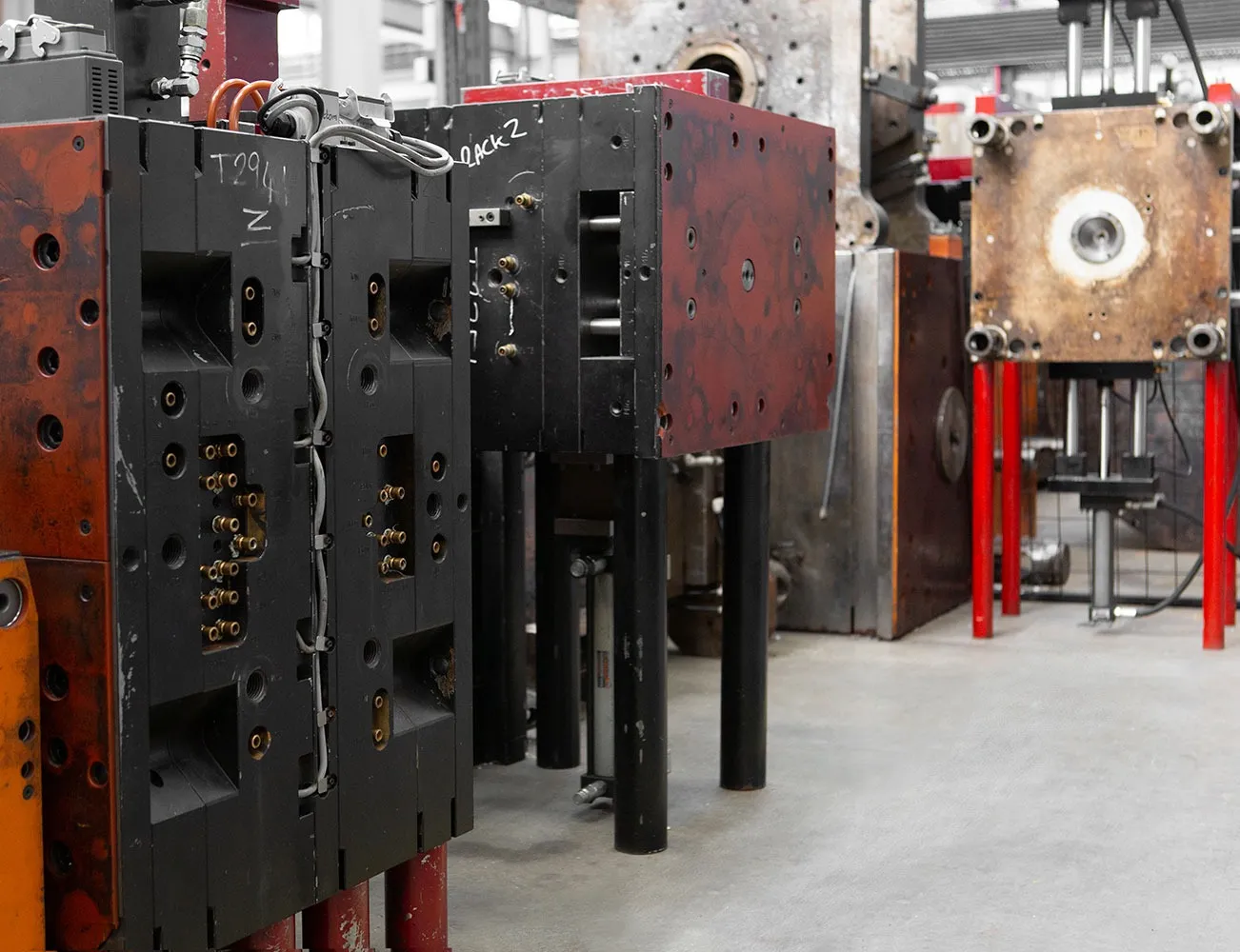

Sustainable manufacturing is no longer only about reducing waste at the end of a production process. Increasingly, manufacturers are looking at how products are designed, manufactured, used and eventually recycled. This is where plastics design can make a meaningful difference. By considering material use, product lifespan, manufacturing efficiency and end-of-life options from the beginning, businesses can create plastic components that deliver reliable performance while reducing unnecessary environmental impact. Thoughtful design can also help manufacturers make better use of resources. Rather than treating sustainability as an additional step, it can become part of the product development process.
Designing with Material Efficiency in Mind
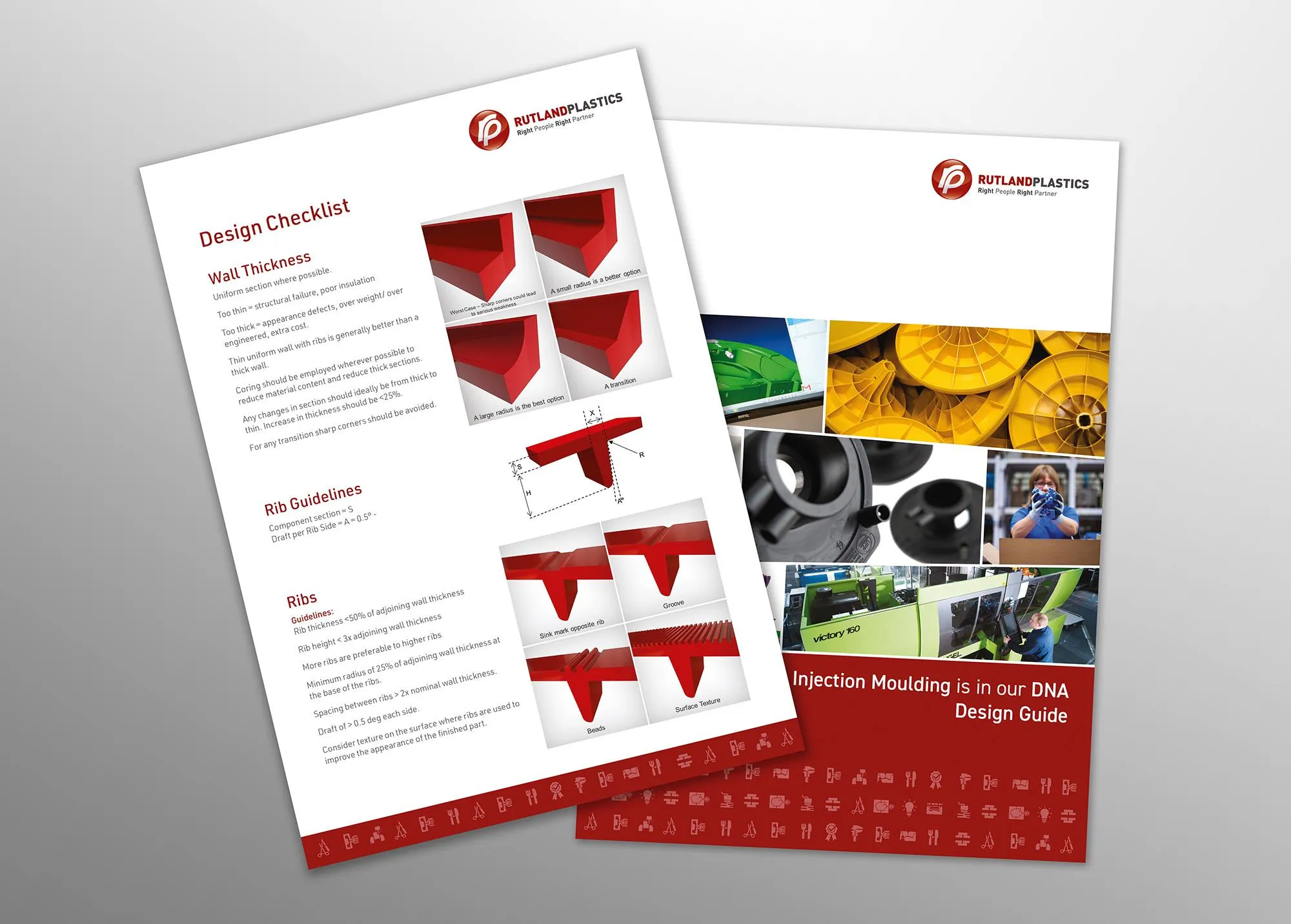
One of the simplest ways plastics design can support sustainability is by using material efficiently. A well-designed component does not necessarily need to be thick or heavy to be strong. Engineers can use features such as ribs, supports and carefully positioned walls to achieve the required strength while avoiding excessive material. Reducing unnecessary material can have several benefits. Less plastic is required to manufacture each component, which can lower material consumption and production costs. Lighter parts may also reduce transportation requirements, particularly when large quantities are shipped. However, material reduction needs to be approached carefully. Making a component too thin can create quality problems, reduce durability or lead to manufacturing difficulties. Effective design therefore balances performance, reliability and responsible material usage.
Improving Manufacturing Efficiency
Sustainability also depends on how efficiently a product can be manufactured. A component that is difficult to produce may require additional processing, longer cycle times or increased levels of waste. Good plastics design considers the manufacturing process from the early stages of development. Designers can assess wall thickness, draft angles, part geometry, material flow and other factors that influence production. When these elements are properly considered, moulding can become more predictable and efficient.
For injection moulded products, designing components appropriately for the moulding process can reduce defects such as warping, sink marks and incomplete filling. Fewer rejected components mean fewer resources are wasted during production.
Supporting Longer Product Lifecycles
Sustainability is not simply about using less material. A product that fails quickly may have a greater environmental impact because it needs to be replaced more frequently. Durability should therefore be an important consideration when developing plastic components. The selected material needs to suit the product's operating environment, including factors such as temperature, moisture, chemical exposure, mechanical stress and repeated use.
Effective plastics design can help create components that maintain their performance over a longer period. Features such as reinforced areas, appropriate wall thicknesses and carefully designed connections can improve reliability without unnecessarily increasing the amount of material used. A longer-lasting product can reduce the demand for replacement parts and help businesses get greater value from the resources invested in manufacturing.
The Role of Custom Moulding
Different applications often require different design solutions. Custom moulding allows manufacturers to develop components around specific performance and production requirements rather than relying on generic shapes. This approach can support sustainability when the component is designed specifically for its intended application. Material selection, geometry, tolerances and production methods can all be considered together. Custom moulding can also help consolidate multiple components into a single plastic part where appropriate. Reducing the number of separate components may simplify assembly, reduce fasteners and decrease manufacturing steps. However, part consolidation should always be evaluated carefully to ensure that the resulting component remains practical to manufacture, maintain and recycle.
Designing for Recyclability
End-of-life considerations are becoming increasingly important in sustainable product development. Designers can think about what will happen to a plastic component once it is no longer required. Where practical, selecting recyclable materials and avoiding unnecessary combinations of incompatible materials can make recycling easier. Clear material identification can also help with sorting and processing.
Designers should consider whether components can be separated easily when a product reaches the end of its useful life. In some applications, reducing the number of materials or avoiding permanent combinations can support more straightforward recovery. Recyclability is not suitable for every application in exactly the same way, so design decisions should take into account safety, performance and the available recycling infrastructure.
Reducing Production Waste
Waste reduction begins well before a machine starts producing parts. Good design can help manufacturers identify potential problems during development rather than discovering them after production has started. Digital design tools, prototyping and design reviews allow potential issues to be assessed before expensive tooling is created. Correcting a design digitally is generally more efficient than modifying a completed mould or dealing with large quantities of defective parts. Manufacturers can also consider how runners, gates and other elements of the moulding process affect material consumption. Depending on the application and equipment, process optimisation and material recovery strategies may further reduce waste.
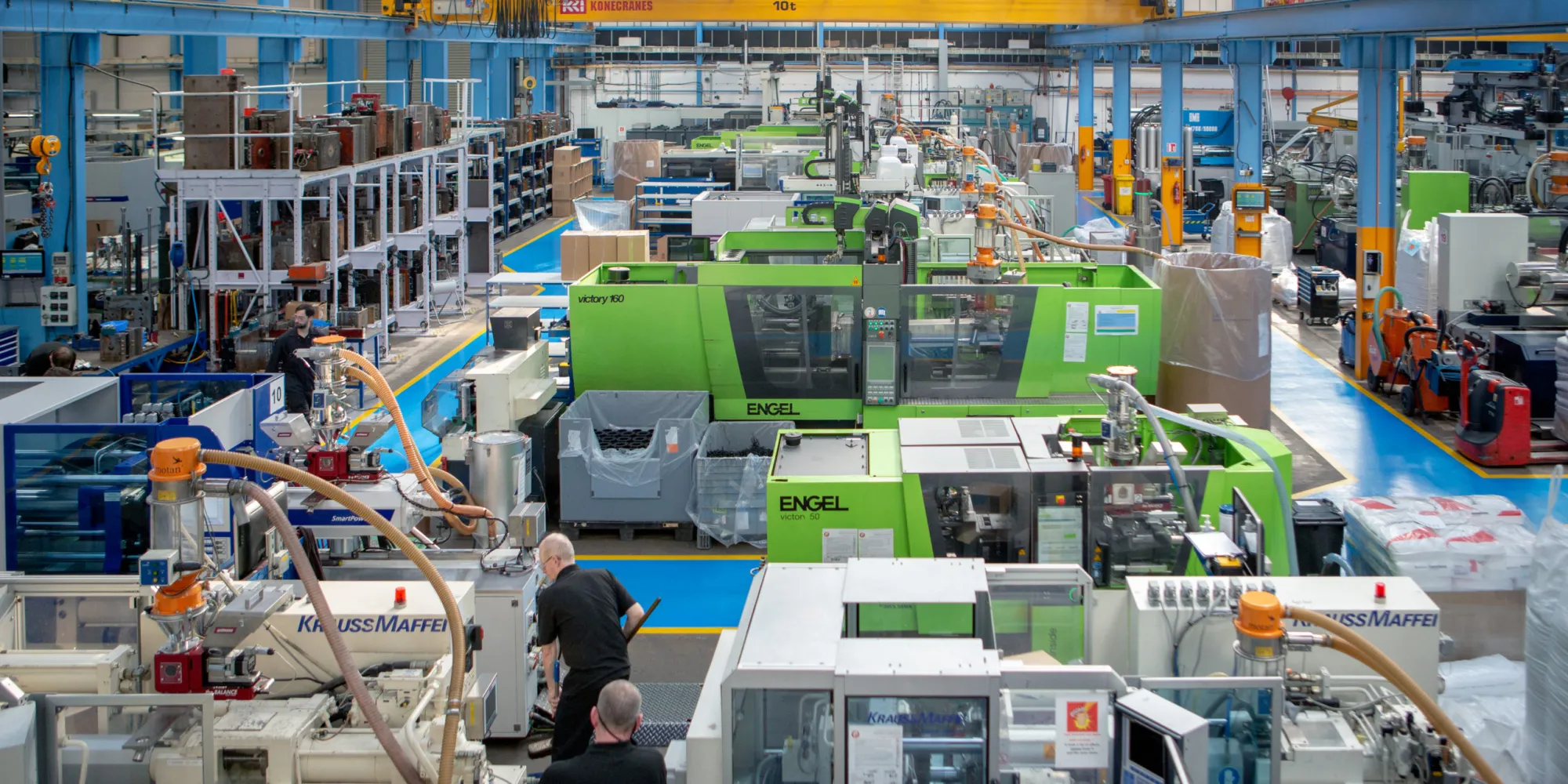
Making Sustainability Part of Product Development
Sustainable manufacturing works best when environmental considerations are integrated into normal engineering decisions. Instead of asking how sustainability can be added to an existing product, businesses can ask how the product could have been designed more efficiently from the beginning.
This requires cooperation between designers, engineers, material specialists and manufacturers. Early discussions can identify opportunities to reduce material use, simplify production and improve product life. Companies such as Rutland Plastics can support this approach by bringing design and manufacturing considerations together, helping businesses develop plastic components that are practical to produce and suited to their intended applications.
Looking Beyond the Individual Part
A sustainable plastic component should be considered as part of a wider product system. Its environmental impact can be influenced by raw materials, manufacturing energy, transportation, product lifespan, maintenance and disposal. For example, a lightweight component may reduce transportation impacts, while a durable component may reduce replacement requirements. A design that uses recyclable materials may offer advantages at the end of its life. These factors need to be considered together rather than in isolation.
The most sustainable solution is therefore not always the one that uses the least plastic. It is the solution that provides the required performance with an appropriate balance of material efficiency, durability, manufacturing practicality and end-of-life potential.
Conclusion
Plastics design has an important role to play in the move towards more sustainable manufacturing. By focusing on efficient material use, durable products, streamlined production, reduced waste and thoughtful end-of-life considerations, manufacturers can make sustainability part of the design process itself. Whether developing a straightforward component or a specialised product requiring custom moulding, early engineering decisions can influence environmental performance throughout the product lifecycle. With careful planning and collaboration between design and manufacturing teams, plastic products can be made more efficiently while continuing to meet the performance standards that modern industries require.























Sign in to leave a comment.