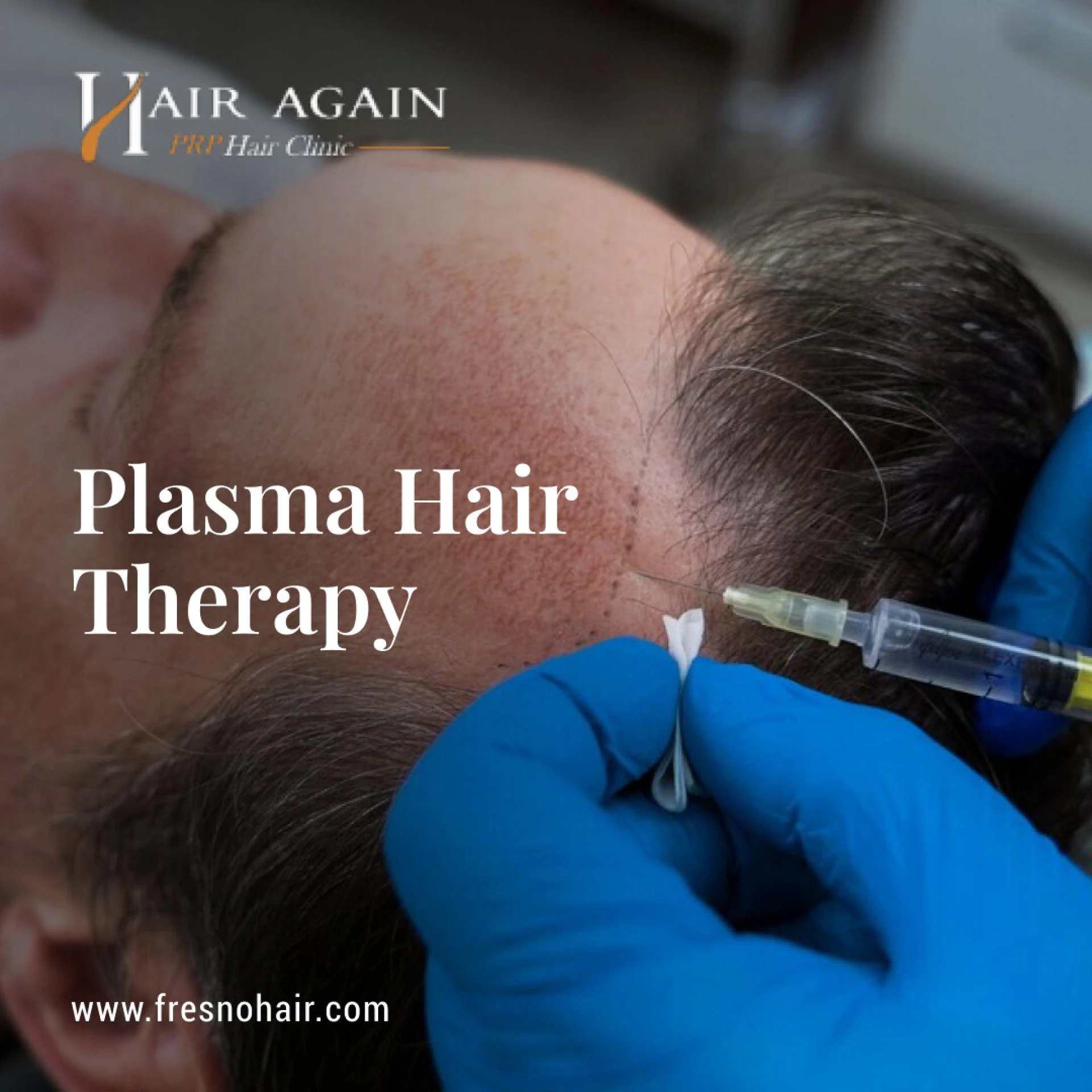

If you\'re battling hair loss, you’re not alone. Many people seek effective solutions to regain their luscious locks and boost their confidence. Among the numerous treatments available today, Platelet Rich Plasma (PRP) therapy is gaining traction for its remarkable ability to stimulate hair growth. But what exactly is PRP therapy, and how does it work? Let’s dive into this innovative treatment that harnesses the power of your own body\'s healing properties to combat hair thinning and promote a fuller mane. Get ready to discover the science behind Platelet Rich Plasma Hair Therapy and why it might be the answer you\'ve been searching for in your hair restoration journey!
The Science Behind PRP and Hair Growth
Platelet Rich Plasma (PRP) therapy harnesses the power of your body\'s own healing mechanisms. It begins with drawing a small amount of blood, which is then processed to extract platelets and growth factors. These components are crucial for stimulating cellular regeneration.
When injected into the scalp, PRP releases bioactive proteins that trigger hair follicles\' activity. This process enhances blood circulation in the area, ensuring better nutrient delivery to hair roots.
Research shows that these growth factors can prolong the anagen phase—the active stage of hair growth—while shortening telogen, or resting phases. By creating an optimal environment for follicle revival, PRP encourages thicker and healthier hair over time.
Additionally, it may reduce inflammation around follicles, another factor contributing to hair loss. Understanding this biological foundation helps illuminate why many turn to Platelet Rich Plasma Hair Therapy as a promising solution for thinning locks.
Benefits of PRP for Hair Loss Treatment
PRP therapy offers numerous benefits for those struggling with hair loss. One of the most significant advantages is its natural approach. Since PRP uses your own blood, there’s minimal risk of allergic reactions or complications.
This treatment stimulates dormant hair follicles, promoting new hair growth and enhancing thickness in existing strands. Many patients report noticeable improvements within a few months.
Additionally, PRP can be combined seamlessly with other treatments like minoxidil or finasteride, amplifying results and providing a comprehensive solution to hair loss.
Unlike surgical options, PRP is minimally invasive and requires little downtime. Most individuals return to their daily activities shortly after the procedure.
With regular sessions, many find that the results are long-lasting, making it a worthwhile investment in their self-esteem and overall appearance. The gradual improvement also helps maintain realistic expectations throughout the process.
How PRP is Administered for Hair Growth
PRP therapy begins with a simple blood draw. A trained professional collects a small amount of your blood, usually from the arm.
Next, the blood is placed in a centrifuge. This device spins rapidly to separate its components. The result is concentrated platelet-rich plasma.
Once extracted, PRP is injected into targeted areas of the scalp using fine needles. This process may involve multiple injections across thinning or balding regions.
Patients often report minimal discomfort during the procedure thanks to local anesthesia or numbing creams applied beforehand. Each session typically lasts around 30 minutes to an hour.
Afterward, there’s little downtime involved. Most individuals can return to their daily activities immediately following treatment, making it convenient for busy lifestyles.
Success Stories and Results of PRP Therapy for Hair Growth
Many individuals have shared inspiring success stories after undergoing Platelet Rich Plasma hair therapy. Patients often report noticeable improvements in hair thickness and density within a few months of treatment.
One woman, struggling with hereditary hair loss for years, saw significant regrowth around her temples after just three PRP sessions. Her confidence surged as she embraced new hairstyles previously deemed impossible.
Another case involved a man who had experienced pattern baldness since his twenties. Following multiple treatments, he found his receding hairline had visibly filled in. The results not only transformed his appearance but also revitalized his self-esteem.
These personal experiences highlight the potential of PRP therapy to deliver tangible results. As more people share their journeys, it’s clear that many are enjoying renewed hope for fuller hair and improved quality of life through this innovative treatment option.
Potential Risks and Side Effects of PRP Treatment
While Platelet Rich Plasma Hair Therapy is generally considered safe, some individuals may experience side effects. Common reactions include mild swelling and tenderness at the injection site. These symptoms usually subside within a few days.
In rare cases, more serious complications can occur. Infection is one of the primary concerns since any injection carries this risk. Ensuring that procedures are performed in sterile environments by qualified professionals minimizes this possibility.
Another potential issue is an allergic reaction to substances used during treatment. Though uncommon, it\'s essential to discuss your medical history with your provider beforehand.
Additionally, not everyone responds positively to PRP therapy for hair growth. Some patients may find their results underwhelming or experience no noticeable improvement at all. Always manage expectations and consult healthcare providers about possible outcomes before proceeding with treatment.
Combining PRP with Other Hair Loss Treatments
Combining Platelet Rich Plasma Hair Therapy with other treatments can enhance results significantly. Many individuals find that using PRP alongside minoxidil or finasteride yields better outcomes for hair regrowth.
Minoxidil, a topical solution, improves blood flow to hair follicles. When used together with PRP, the rejuvenating effects of both therapies may accelerate new growth and strengthen existing strands.
For those considering more invasive options, coupling PRP with hair transplant procedures is also gaining traction. The growth factors in PRP can facilitate healing and bolster the success rate of transplants.
Furthermore, lifestyle changes such as improved diet and stress management complement these treatments well. Proper nutrition provides essential vitamins that support follicle health while reducing stress levels has been linked to decreased hair loss.
This multi-faceted approach caters to individual needs and could lead to a more satisfying overall experience in combating hair loss.
Conclusion
When considering Platelet Rich Plasma Hair Therapy, it\'s essential to look at the cost and accessibility of this innovative treatment. The price of PRP therapy can vary widely depending on factors like location, provider expertise, and the number of sessions required for optimal results. Typically, a single session may range from $1,500 to $3,000.
Many clinics offer packages that can reduce the overall cost when multiple sessions are booked together. It\'s worth noting that since PRP therapy is often considered an elective procedure for hair loss, most health insurance plans do not cover it.
Sign in to leave a comment.