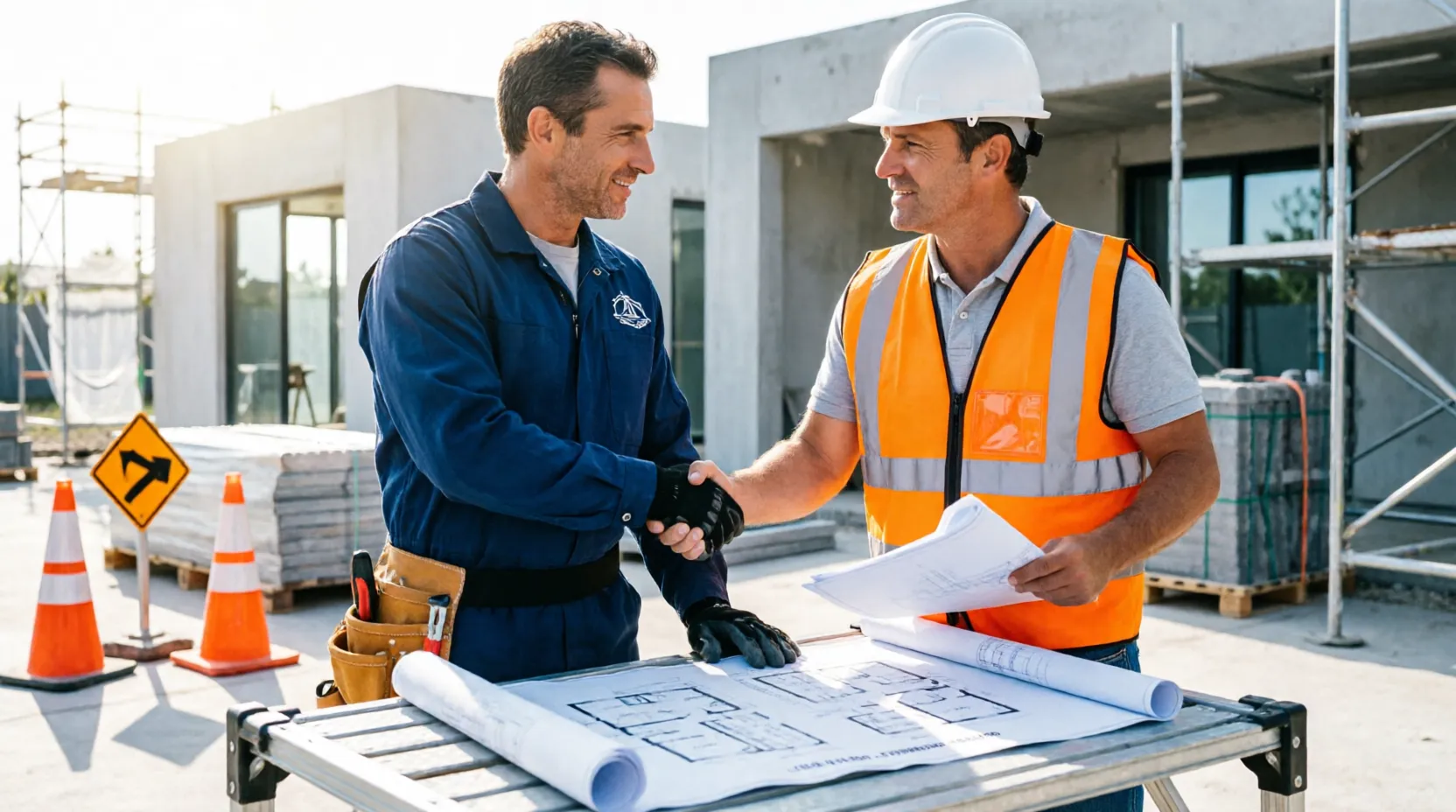

A plumber who delivers consistently good value in a local area is likely to see a constant stream of domestic jobs and a dearth of construction work. The reason for this has little to do with skill; local building groups, developers and contractors will often have a shortlist of preferred suppliers, and getting on it requires more than just effort. The benefits of working locally are obvious, from rapid response and regional knowledge to simple accessibility for jobs that need a fast resolution.
This article will examine in detail who the local construction clients are, how to get visibility with them, and what they are likely to want before awarding a contract.
Local Construction Clients: Who Are They?
Local construction clients are not just large national house builders. In any region, the likely targets for local plumbers will be:
– Small and medium builders delivering extensions, conversions and refurbishments,
– Local developers with small schemes in their portfolio,
– Regional main contractors subcontracting mechanical and plumbing works,
– Housing Associations and landlords with programmers of works,
– Commercial fit out specialists subbing for M&E works.
It is essential to understand how different clients will operate – small builders will simply contact whoever they have worked with previously while larger contractors are likely to have more formal procurement processes in place. It is always important to identify which local contractors have works in progress and which ones are likely to have work starting soon. A plumber operating with two other workers will not have the capacity to take on a large subcontract but have plenty of capacity with smaller local builders.
Discover What Is Being Built Locally
It is impossible to prospect for opportunities if you first have to discover them. The planning portal for your local authority will have a register of planning applications submitted and approved. By looking at this every month or two, you should be able to build a picture of who the potential local clients are. Spend some time checking around on roadsides and sites to note any site hoardings displaying the main contractor and developer. It is surprising how much information can be gathered with a quick drive around your region. Make sure to follow this up with an email to the contact listed by the site or to the contracts manager for larger projects, mentioning their project by name.
Make Yourself Easy to Find and Easy To Find and Easy To Trust
Once the local contractor has discovered you, it is vital to make sure that they can find you again. You should have a website or some form of social media presence, which showcases the local plumber services you offer, your area of operation, and your skills and experience.
The construction client needs reassurance that you are a competent and reliable local plumber able to work on the development site safely. This is best delivered by having your website, displaying your CSCS card, Gas Safe registration (where relevant), and any other relevant qualifications such as Constructionline or CHAS accreditation if applicable. Different local contractors will have different due diligence processes so having information about your insurance, risk assessments, method statements and references in writing is also a good idea. A site manager who can approve you instantly is much more likely to use your services than one that needs to chase for documentation for two weeks.
There is a reason for the Construction Digitised Industries query being raised globally. The supplier discovery process has been slow to embrace digitisation, with many local plumbing and heating companies finding themselves on the wrong end of the curve. A local plumber will have a much better chance of winning contracts with a small, local site if they have made it easy to find them online than their competitors who have not thought of this.
Use Local Connections Where They Matter
Many local construction clients will make decisions about local plumbing and heating requirements based on who they already know. Contractors may ask for recommendations from other tradespeople, call their local suppliers, or simply find plumbers they have met at local events.
Tradespeople’s merchants will often hear about local projects and can give a lead to local plumbers and can sometimes offer more help, such as hosting local trade evenings for managers and small developers. Other local business groups and Chambers of Commerce can also give connections with local landowners and local commercial property owners and developers. There are now online options, such as the professional construction network for plumbers, which allow plumbers to advertise themselves to local contractors in the same way that they would talk to their local connections. It is always worth trying out new approaches and seeing what happens. Give new methods a few months before deciding if they are worth continuing and make sure to track what results, if any, come from them.
Prospect Directly and Specifically
Waiting for people to come to you is not a good basis for a local plumbing or heating business development strategy. Prospecting directly with local construction clients, both online and offline, is always going to be a good use of time.
It is important to identify the right contact first; in the smallest local builders this may be the owner or site manager while in larger main contractors, there may be a separate commercial or buyer function. Once the correct contact has been identified, a short message introducing themselves, the local area covered, comparable jobs completed, and relevant qualifications or certifications should be enough to start the conversation. For more ideas on prospecting directly for local plumbing and heating work, this article on Connect With Construction Companies may help.
Avoid using the same message to every local contractor; a personal message showing that you know who they are and what they need will always yield better results than a generic message.
Deliver Value and Local Customers Will Always Come Back
Securing the first job is always exciting, but it is the next jobs that are more important as a local plumbing and heating business develops. Local builders and contractors will always be looking to use local suppliers, mainly because they are easier to work with. A local plumber who delivers consistently good value will find themselves on many shortlists for new works and new developments.
Reliability is the watchword when working locally as a plumber. Turn up on time and anywhere you say you will be, tidy up after yourself and leave other tradespeople alone unless given specific permission to do otherwise. Notify promptly if anything changes, whether it is a delivery mix-up or another local construction client changes their requirements. Make sure to give clear quotes with details of what is and is not included, and always make sure to get payment terms agreed in writing. Word of mouth is a powerful motivator for local construction clients, and a satisfied local builder will always be more likely to recommend a local plumber again or pass their details on to someone else.
Know Your Costs and Know Your Limits
Most local construction clients will ask for several quotes for any given job, and it is tempting to submit a quote that is lower than your competitors’. It is essential to understand what the real cost of a local plumbing and heating job is to you as a business. It is always a good idea to calculate an average rate per job that takes into account lost time with other jobs, fuel, materials and any additional costs due to local challenges like delays on the local construction site. It is also important to be realistic about your own capacity as a local plumber; overextending yourself with too many jobs at once may damage your reputation with local construction clients.
Conclusion
Start small and start local. Look at the planning portal this week and identify five or six potential local construction clients in your region and send them a short introduction. Include your credentials, a few photos of recent jobs and contact details. Make sure to follow up with anyone who responds and keep trying if you do not hear straight away – one satisfied local builder is worth dozens of unanswered cold calls.
























Sign in to leave a comment.