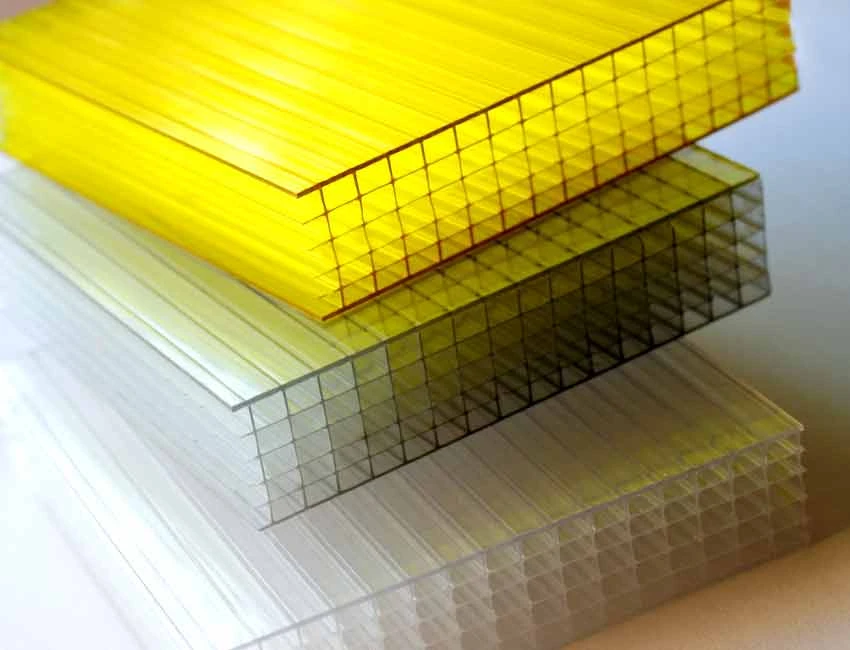

In the era of sustainable construction, the choice of building materials holds immense significance. Among these, polycarbonate cladding systems have emerged as a game-changer, redefining the standards of green building practices. This article delves into the transformative impact of polycarbonate cladding on energy-efficient building design, its role in achieving LEED® certification, and its multifaceted sustainability characteristics.
Reducing Energy and Resource Consumption through Polycarbonate Cladding
Polycarbonate cladding is at the forefront of the movement to reduce energy and resource consumption in building design. Its lightweight nature and excellent insulation properties contribute significantly to energy-efficient structures. By integrating polycarbonate cladding panels, architects and builders can create environments that minimise energy demands while maximising comfort.
Achieving LEED® Certification: A Mark of Sustainability Excellence
For architects and builders committed to green building practices, achieving recognition through programmes like LEED® certification is paramount. Polycarbonate cladding plays a pivotal role in meeting the stringent criteria set forth by LEED®, thanks to its exceptional sustainability attributes. Its contribution to energy efficiency and environmental stewardship positions it as a cornerstone in the pursuit of certification.
The Drive for Energy Consumption Reduction: A Top Priority
In today's building and construction landscape, the imperative to reduce energy consumption is a driving force. Polycarbonate cladding addresses this priority head-on, offering a solution that not only cuts costs but also advances the cause of sustainable architecture. Its insulation capabilities and thermal efficiency contribute to a reduced carbon footprint and a more sustainable future.
Beyond Sustainability: Aesthetic, Practical, and Cost Benefits
The adoption of polycarbonate cladding brings with it a myriad of benefits that extend beyond sustainability. Architects and builders find in it a versatile material that enhances aesthetics, provides design flexibility, and offers cost advantages. This innovative material empowers the creation of structures that are not only environmentally conscious but also visually striking and economically viable.
Mitigating Greenhouse Gas Emissions: A Global Imperative
Buildings account for a substantial portion of global energy use and greenhouse gas emissions. Polycarbonate cladding sheets, with its insulation capabilities and energy-saving properties, serves as a powerful tool in mitigating these emissions. By reducing the demand for heating, cooling, and lighting, it addresses one of the most pressing challenges in the battle against climate change.
Maximising Efficiency and Design Freedom with Polycarbonate
Polycarbonate cladding systems provide architects and builders with a wealth of opportunities to enhance energy efficiency and extend the useful life of structures. Its lightweight nature reduces the environmental impact of shipping, while its versatility allows for creative design solutions. The result is a seamless blend of sustainability, functionality, and aesthetic appeal.
Uncompromising Safety and Compliance
Polycarbonate cladding stands as a material that not only excels in sustainability but also meets stringent safety and construction code attributes. It boasts features such as fire resistance, UV protection, and harsh weather resistance. These attributes ensure that polycarbonate cladding not only contributes to a greener future but also upholds the highest standards of safety and compliance in the Australian building industry.
Conclusion: Pioneering the Future of Sustainable Architecture
In conclusion, polycarbonate cladding is not merely a building material; it is a catalyst for change in the realm of sustainable architecture. Its contributions to energy efficiency, LEED® certification, and overall building performance position it as a frontrunner in green building standards. Architects and builders who embrace polycarbonate cladding are not only creating structures; they are pioneering a future where sustainability, innovation, and excellence coalesce to shape a better world.
If you are a builder, architect, or a property developer and are looking for green building materials such as polycarbonate cladding systems, you may get in touch with Danpal Australia with their details below.
Danpal Australia - Polycarbonate Architecture
Phone: 02 9475 2000
Email: info@danpal.com.au
Website: https://danpal.com.au/
Address: Unit 11, 4-6 Junction Street Auburn NSW 2144
Hours: Mon-Fri 8:30 AM - 5:00 PM


Sign in to leave a comment.