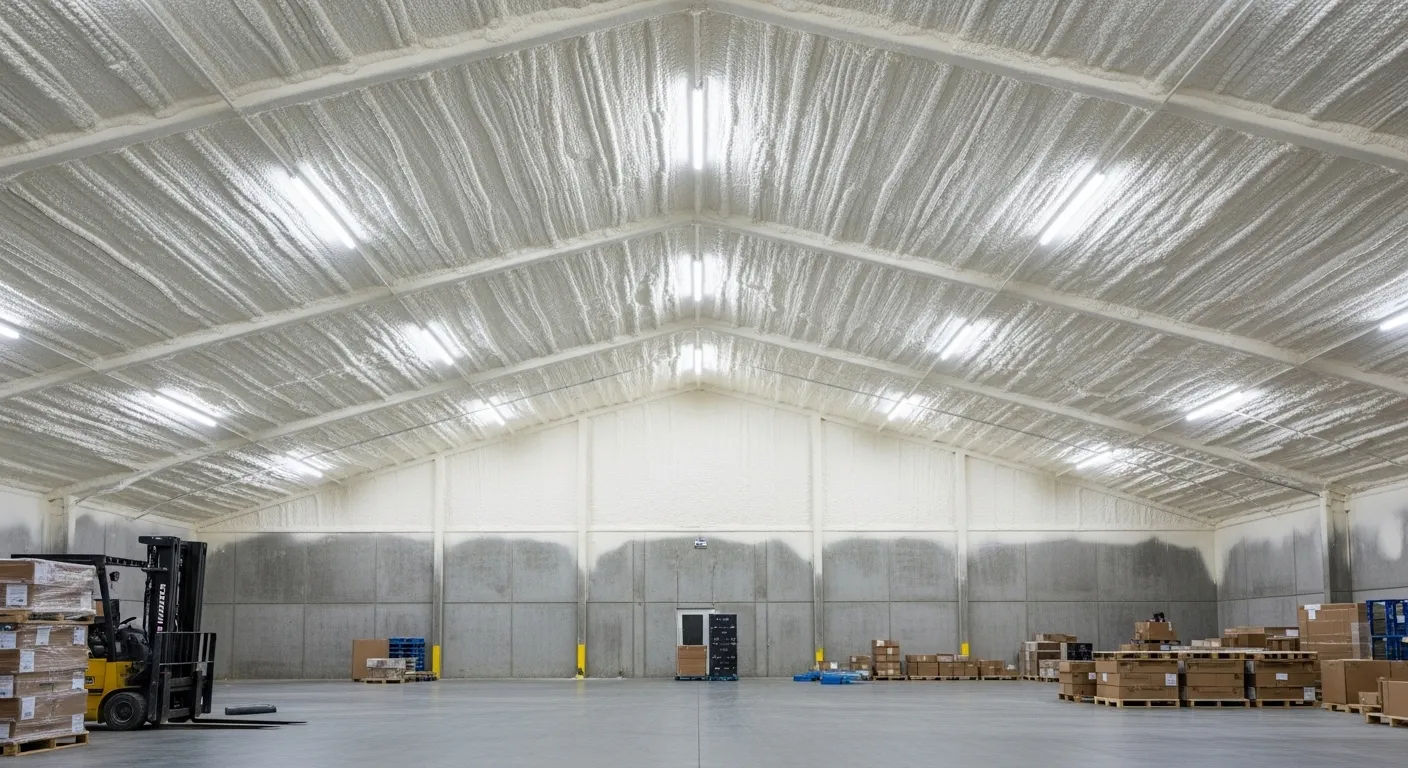

Inadequate thermal protection causes massive strain on expensive machinery. When buildings lack proper sealing, hot or cold air leaks constantly. This forces industrial cooling and heating equipment to run far beyond its designed limits. Eventually, these units wear out years before their expected end date.
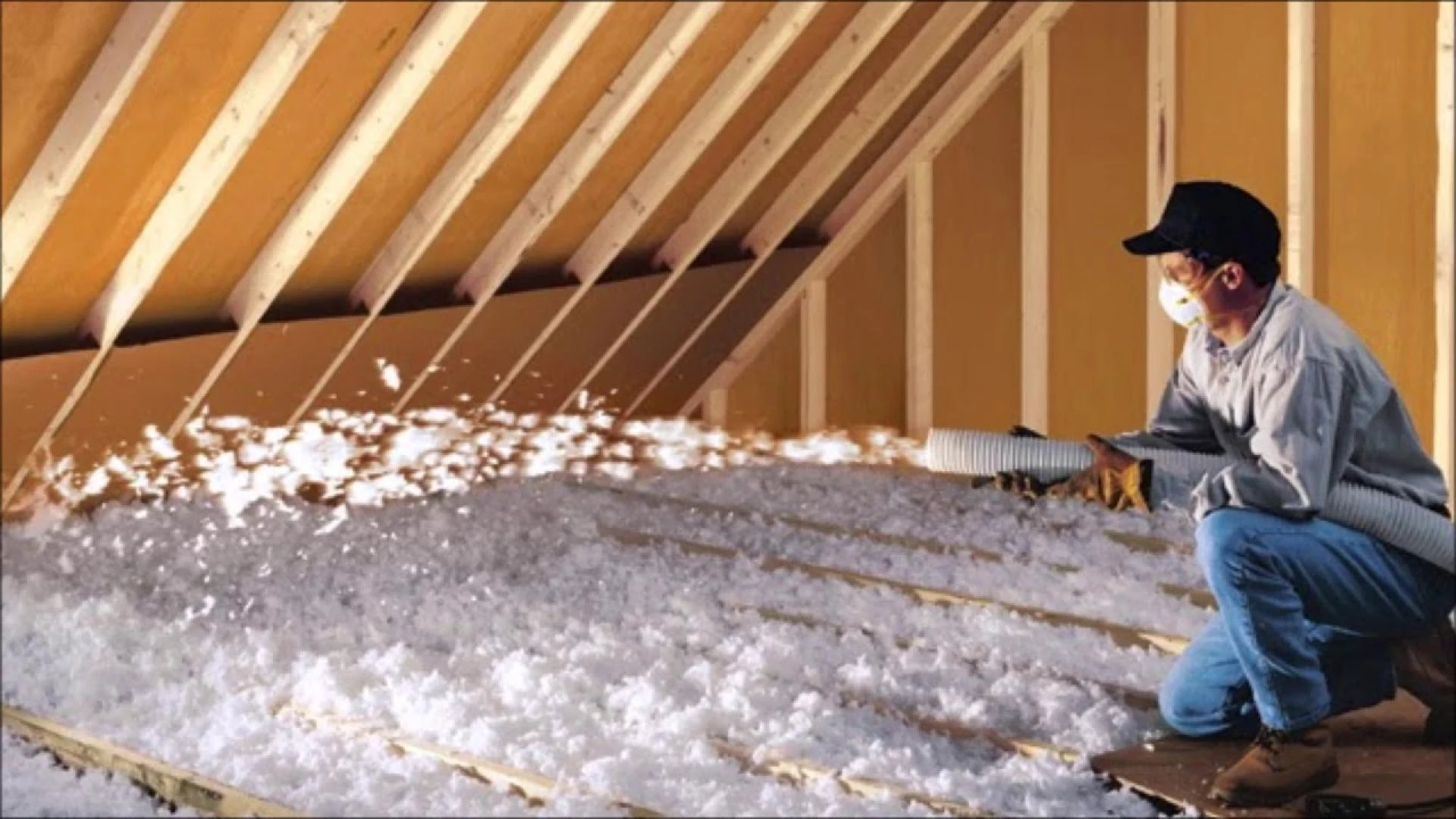
Building owners often ignore wall and roof barriers until a major breakdown occurs. This oversight creates a cycle of constant repair costs and high utility bills. Using commercial insulation services provides a way to stop this waste. This material seals gaps effectively, keeping the interior environment stable for all sensitive electronics and mechanical systems.
Industry professionals understand that equipment longevity depends on the quality of the building envelope. Experience shows that consistent temperatures keep internal parts moving smoothly. Relying on experts to audit air leakage helps preserve capital investments. This article explains how better insulation practices protect industrial hardware from early retirement.
The link between thermal loss and hardware wear
Industrial units depend on a balanced climate to function. When the building skin is weak, outdoor temperature swings penetrate the workspace. Machines then draw extra power to compensate for the thermal gain or loss. This extra work creates heat and vibration that destroys internal motor windings and circuit boards.
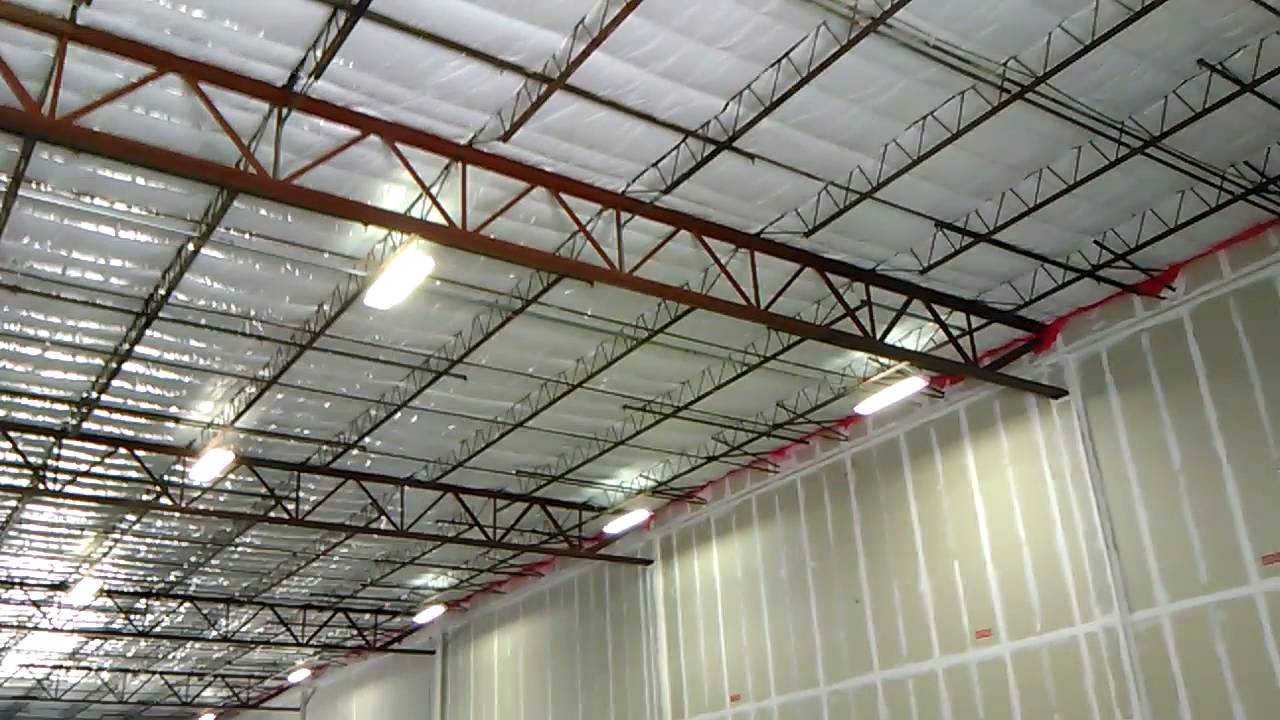
Temperature fluctuations and machine fatigue
Rapid cycling happens when thermostats reset constantly. Every time a system starts, it draws a surge of electricity. Over many months, these surges weaken the internal wiring. Metal parts expand and contract with the heat, which causes small fractures. These issues grow over time, leading to sudden, expensive failures during peak work hours.
Moisture buildup and corrosion risks
Poor insulation often fails to stop humidity. When outside air meets cold interior surfaces, condensation forms. This water drips onto electrical panels or metal gears. Rust settles on delicate surfaces, which causes sensors to fail or gears to seize. Stopping this moisture transfer requires a continuous air barrier.
Why proper sealing protects assets
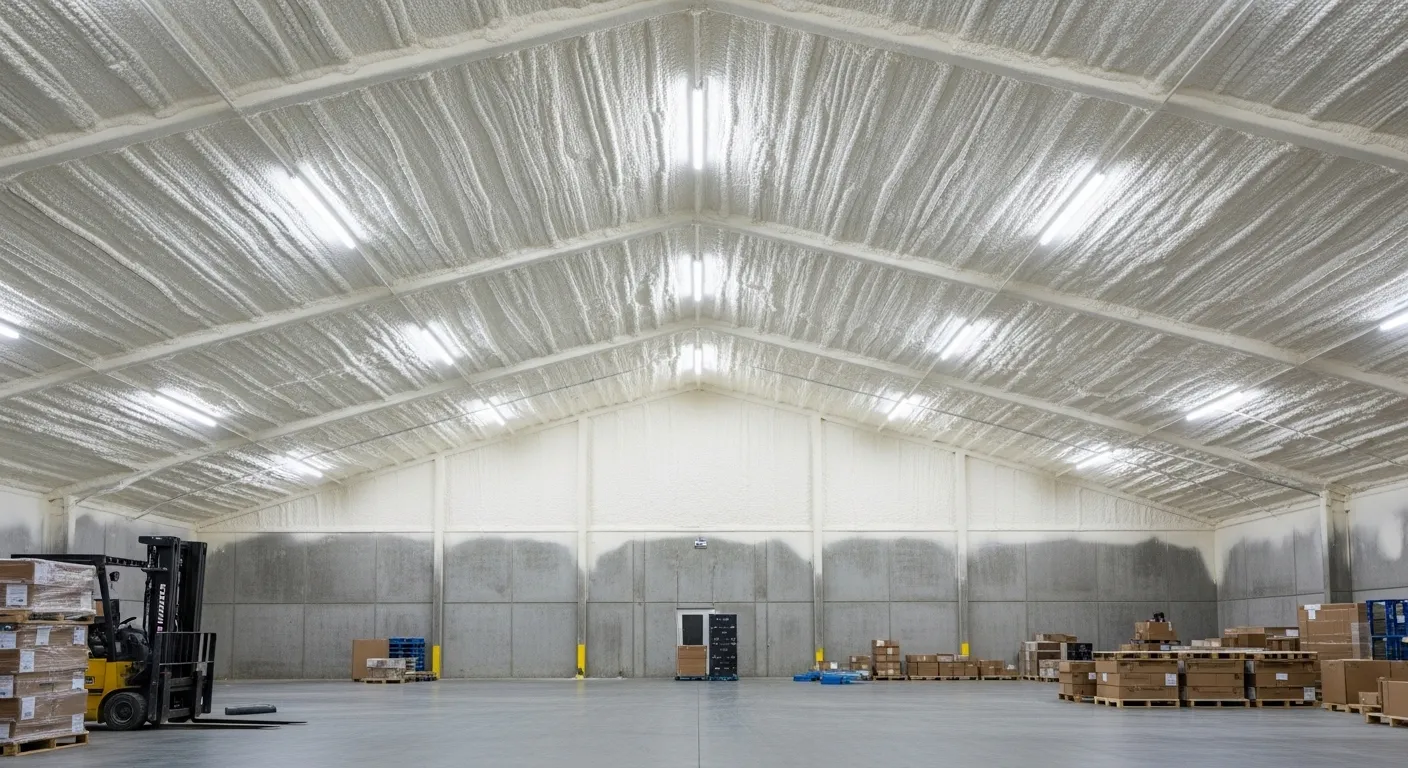
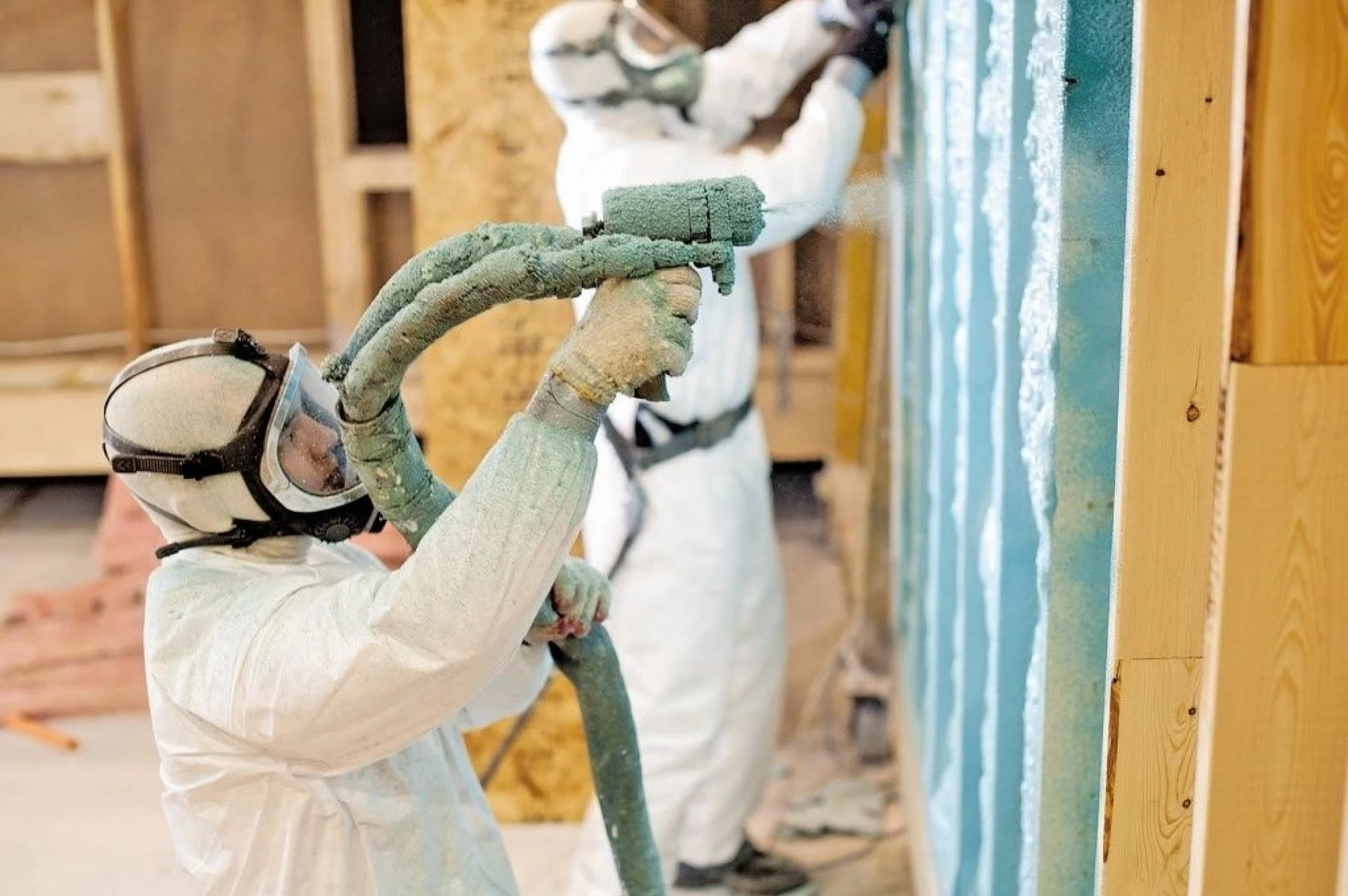
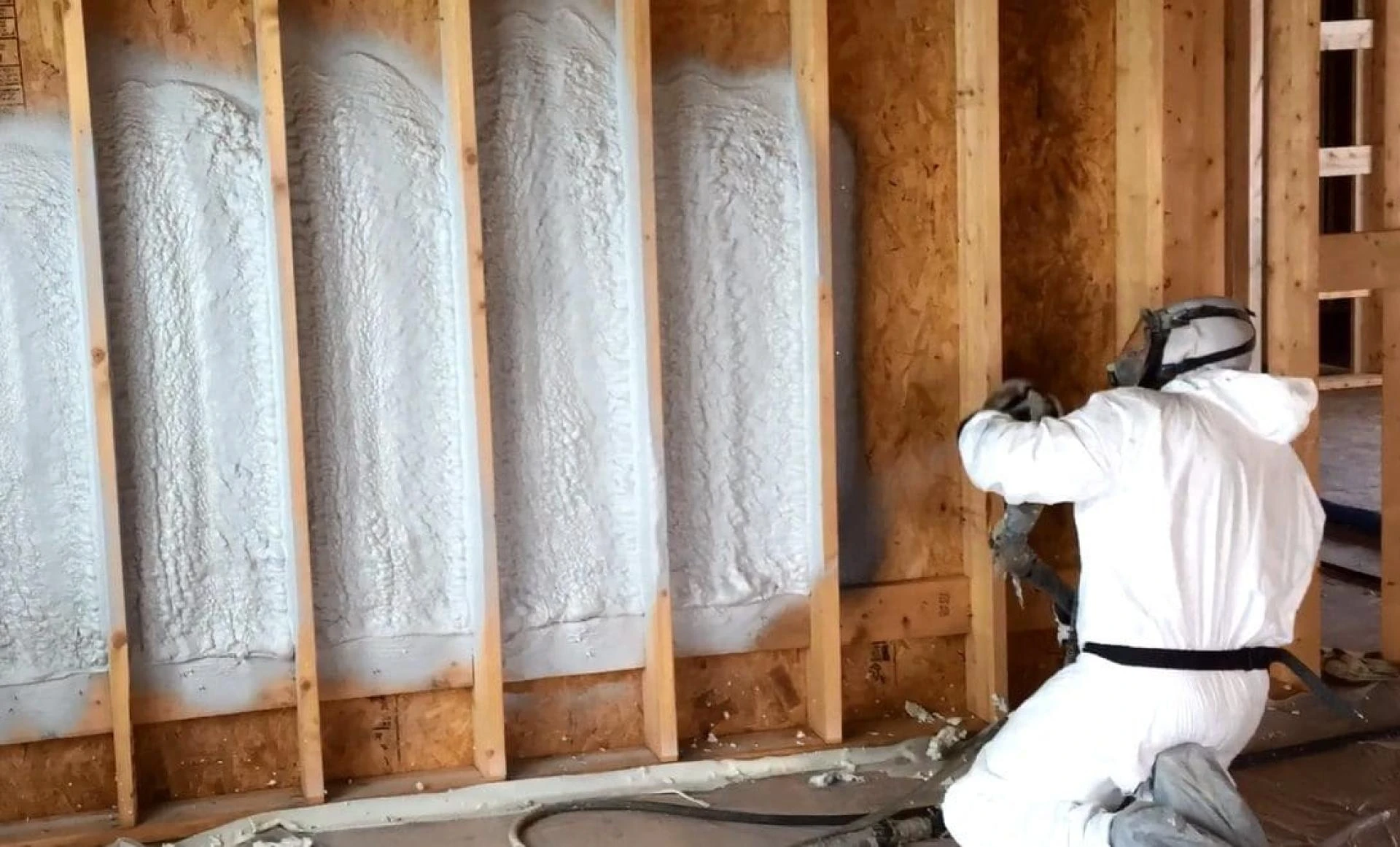
A tight building envelope keeps the inside air clean and stable. By using open-cell spray foam experts, businesses create a wall that stops air movement entirely. This prevents the outside elements from hitting the inner equipment. When the environment stays steady, machines last longer and need fewer emergency visits from service technicians.
Energy efficiency and equipment load
When a building holds its temperature, heating and cooling units run for shorter periods. This gives parts time to rest. Lower run times mean less friction and reduced wear on bearings and belts. Most businesses see a return on their investment when they stop paying for wasted energy and expensive emergency parts.
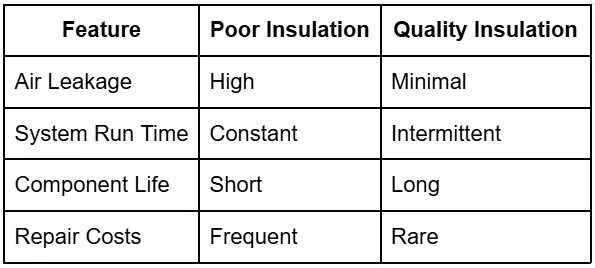
Common signs of building envelope failure
Managers should watch for specific red flags that indicate a problem. High utility bills without a change in production levels are a sign of heat loss. Frost on cold pipes in the winter or heavy water droplets on walls during summer indicate that the building is not sealed well.
Auditing the industrial workspace
An inspection can identify where air enters the building. Small gaps around doors, windows, or roof vents create massive problems. Hiring open cell spray foam contractor talent to seal these areas prevents air movement. They find the hidden spots where energy escapes, saving money and protecting the floor hardware.
Regional considerations for hot climates
In regions with high heat, roofs absorb intense sunlight. Without a thermal break, this heat moves downward into the workspace. If the cooling unit fails, the equipment inside faces immediate danger. Proper attic and roof insulation keeps the heat outside where it belongs.
Protecting expensive power supplies
Large power inverters and servers need strict temperature control. If the room gets too hot, the safety switches shut the machines down. This causes production stops that cost thousands of dollars every hour.
Bonus Tips for building owners
- Inspect roof seals after every major wind storm to ensure no gaps opened.
- Check the area around electrical entry points for small holes where air might enter.
- Monitor humidity levels in rooms that house computers to prevent sudden moisture damage.
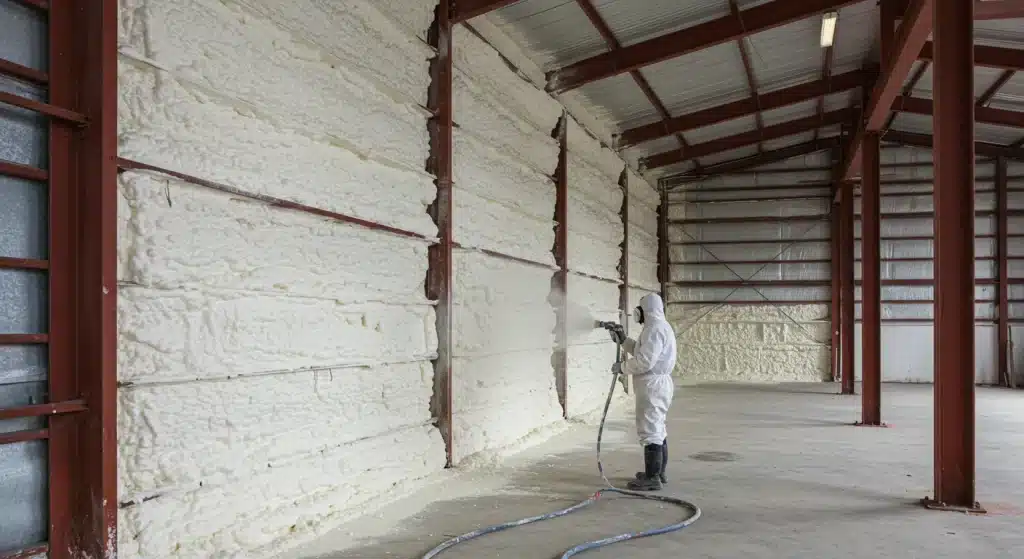
Things to consider before making a decision
Before choosing a solution, evaluate the specific needs of the building. Not all insulation acts the same way. Consider how much traffic the building sees and what machines sit near the outer walls.
Evaluating long term goals
Think about the total cost of ownership. While high-quality insulation costs money upfront, it saves more on parts replacement. A building that stays cool protects the gear inside. This reduces the risk of long production halts.
Selecting the right professional
Look for an open cell spray foam company with a record of industrial work. They need to understand how large buildings move and settle. A quality provider will test the air seal after they finish the project to confirm the results.
Bonus Tips for selection
- Ask for local references from buildings with similar industrial hardware.
- Verify that the team uses equipment that reaches all hard-to-access corners.
Questions people ask about building performance
How does air leakage damage motors?
Air leaks cause cooling systems to cycle constantly. This creates electrical surges that degrade motor windings over time.
Can insulation prevent rust inside a building?
Yes. By stopping air movement, insulation prevents condensation. Less moisture means less rust on metal parts.
What is the advantage of using this material for industrial roofs?
It fills every gap and seam. This creates a solid barrier that stops heat from entering during the day.
How often should an insulation check happen?
An annual inspection is wise. It identifies new cracks that might have formed from building movement or vibrations.
Why does equipment fail during peak weather?
Equipment is already working hard to keep up with production. The added stress of fighting outside temperature extremes pushes parts past their limit.
Final thoughts on asset preservation
Keeping a facility sealed is a simple way to protect expensive gear. It stops the environment from destroying sensitive components. Managers who act early avoid the costs of mid-year breakdowns. Evaluating the building envelope ensures that the machinery remains reliable for years to come.
Professional support for facility care
When a facility requires a better air barrier, it helps to reach out to specialists. Supreme Spray Foam – Fresno offers the experience needed to seal industrial units effectively. They focus on providing a stable environment that keeps internal machines safe. Those interested in protecting their assets can reach out to them at [email protected] or call (559) 545-0800 to discuss specific facility needs. Their team understands the challenges of industrial environments and works to deliver a result that lasts.
Author: A specialist focused on industrial facility maintenance and infrastructure protection. Reviewer: Emma Robinson contributed her knowledge from 8 years of working in the spray foam industry. Her review helped shape this content, grounded in what contractors and homeowners actually value.


























Sign in to leave a comment.