

Moving into a new home often starts with excitement, but poor planning can quickly transform the experience into frustration. Delayed packing, forgotten tasks, misplaced items, and repeated lifting are common problems people face when coordination is missing. Understanding how poor move coordination creates extra work later helps homeowners recognize that a successful relocation depends on more than transportation alone. A structured process reduces stress, saves time, and makes settling into a new place much easier.
Many people only realize the importance of coordination after moving day becomes chaotic. What seems like a small delay in packing or scheduling can create larger problems during loading, transportation, and unpacking.

What Move Coordination Actually Means
Move coordination is the process of organizing relocation activities in the correct order. It includes planning, scheduling, communication, packing, transportation, and final setup.
Good coordination helps create:
- Better time management
- Reduced confusion
- Faster unpacking
- Lower moving stress
- Improved protection for belongings
When coordination is missing, homeowners often spend additional days fixing avoidable mistakes.
Why Poor Coordination Creates More Work
Poor coordination rarely appears as one major issue. Instead, it develops through small decisions that slowly affect the entire move.
For example, packing random rooms first may seem efficient at the moment. However, once moving day arrives, people discover that important documents are buried inside sealed boxes, furniture cannot load correctly, and unpacking becomes frustrating.
These small interruptions eventually create:
- Delayed transportation
- More physical effort
- Extra expenses
- Lost productivity
- Additional setup time
The longer these issues continue, the more work households must complete after relocation.
The Most Common Coordination Mistakes During a Move
Packing Without Priorities
One of the biggest moving mistakes is treating every item equally.
People often:
- Pack decorative items first
- Forget daily essentials
- Leave fragile items exposed
- Ignore room-by-room organization
This creates confusion once unpacking begins.
A better approach is separating items into categories based on importance and frequency of use.
Poor Communication Between Everyone Involved
Communication problems create unnecessary delays.
When relocation details change without updates, people may:
- Arrive at different times
- Bring incorrect equipment
- Miscalculate loading requirements
Clear communication prevents wasted effort.
No Timeline or Moving Schedule
Many households underestimate how much planning relocation actually requires.
Without timelines:
- Tasks overlap
- Preparation becomes rushed
- Small delays become major setbacks
Creating a structured schedule allows each stage to happen more efficiently.
The Hidden Costs of Poor Move Coordination
People usually focus only on visible moving costs.
However, poor coordination creates hidden costs such as:
Extra Transport Expenses
Disorganization may require additional vehicle trips.
Lost Time
Delays often extend the moving process by several days.
Higher Stress Levels
Constant problem-solving increases mental fatigue.
Property Damage
Repeated lifting and poor handling increase the chance of damage.
Good preparation reduces these unexpected outcomes.
How Better Planning Creates Better Results
Effective coordination begins long before moving day.
Step 1: Create a Moving Timeline
Break relocation into manageable phases:
- Planning
- Packing
- Loading
- Transportation
- Unpacking
Step 2: Pack Room by Room
Avoid mixing household items.
Keep categories organized to simplify unloading.
Step 3: Prepare an Essentials Box
Include:
- Documents
- Chargers
- Basic toiletries
- Medication
- Daily clothing
This prevents unnecessary searching.
Step 4: Confirm Logistics Early
Double-check:
- Moving dates
- Property access
- Vehicle availability
- Contact information
These simple actions improve efficiency.
Why Unpacking Becomes Harder Without Coordination
Many people assume moving ends after transportation.
In reality, unpacking often reveals earlier planning mistakes.
Poor coordination causes:
- Missing household items
- Delayed furniture setup
- Repeated box opening
- Extra room rearrangement
Unpacking should feel like settling in, not restarting the move.
The Role of Professional Planning
Professional relocation processes focus on reducing unnecessary work.
Structured planning helps homeowners:
- Improve organization
- Protect belongings
- Reduce delays
- Save physical effort
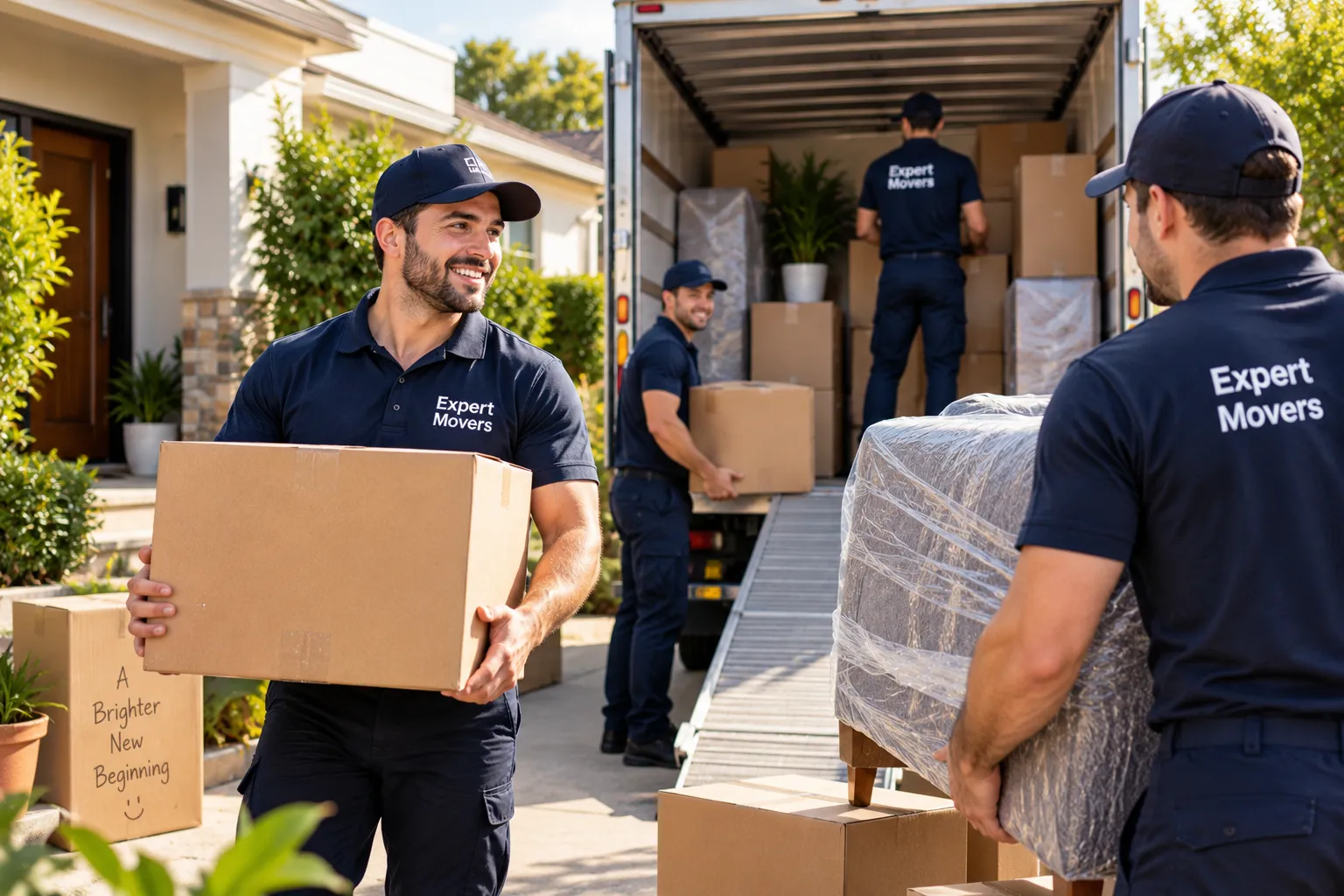
One Expert Movers customer shared that following a coordinated relocation process reduced confusion and made the transition into the new home far easier than expected.
For additional relocation planning tips, explore related moving preparation resources.
You can also review practical relocation guidance from trusted consumer moving resources.
Practical Tips to Prevent Extra Work Later
A few proactive steps can completely change relocation outcomes.
Focus on:
- Creating written checklists
- Assigning household responsibilities
- Labeling every box clearly
- Keeping schedules realistic
- Confirming logistics in advance
Small planning improvements often create major long-term benefits.
The Role of Professional Planning
Professional planning helps homeowners stay organized and reduce unnecessary delays during relocation. Creating a structured process improves communication, protects belongings, and makes unpacking easier after moving day. One customer of Expert Movers shared that following a coordinated moving process reduced confusion and made relocation easier from start to finish.
Conclusion
Understanding how poor move coordination creates extra work later allows homeowners to avoid common relocation mistakes before they become larger problems. Delays, confusion, repeated effort, and unexpected expenses often happen because preparation happens too late or without structure.
A successful move is not about working harder—it is about working in the right sequence. Planning ahead, organizing responsibilities, and improving communication can create a smoother and more manageable relocation experience.

















Sign in to leave a comment.