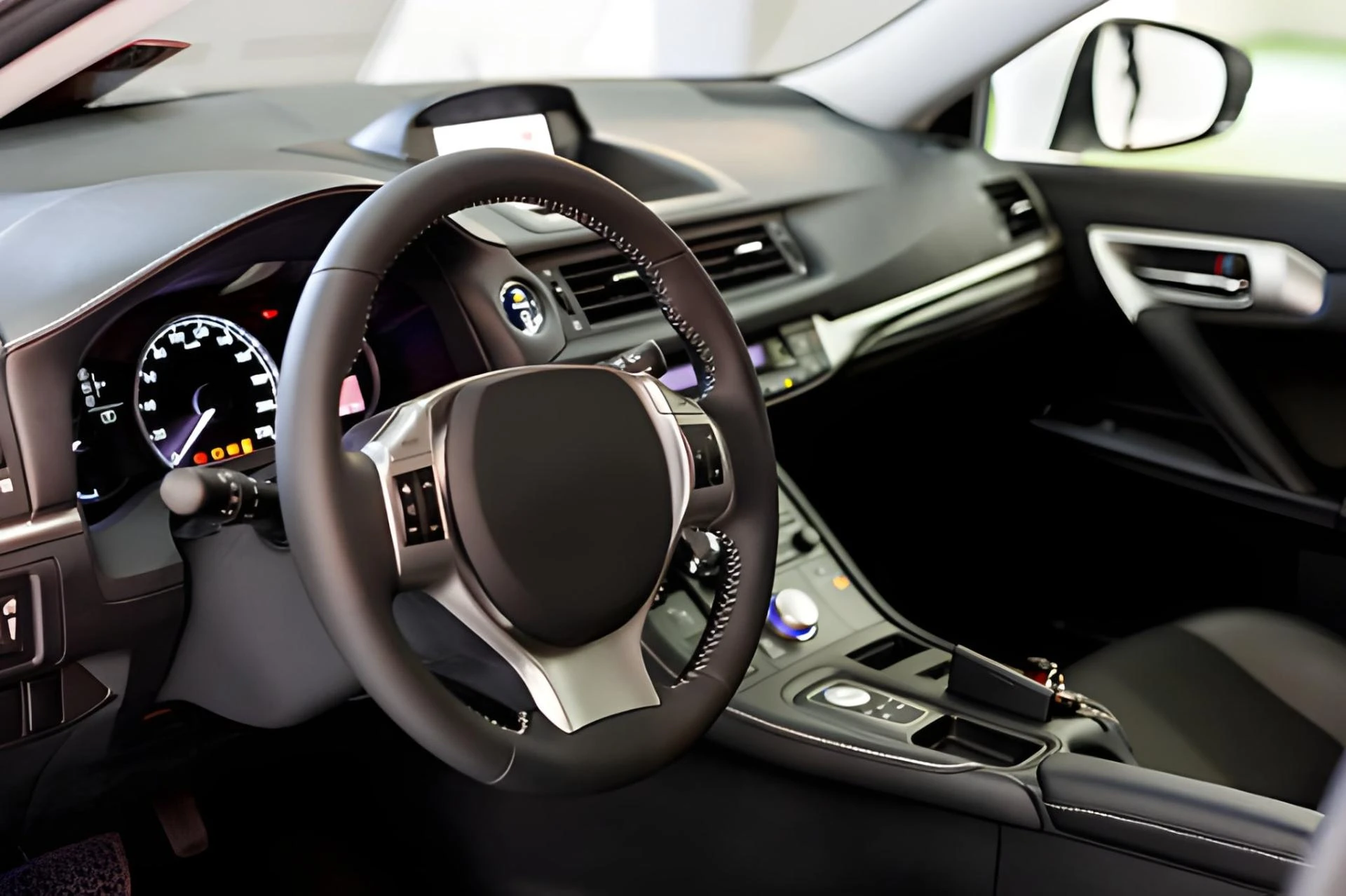

Most people see the engine or the iconic curves of a Porsche before anything else. But the reality is, the part a driver actually interacts with most is the steering wheel. It may not sound glamorous, but it’s the link between what the car can do and what the driver feels.
And that’s exactly why Porsche puts so much thought into it. Over the decades, this single component has changed from a basic tool into something that shapes the whole driving experience.
From Simple Function to Refined Design
Early Porsche models had thin rims, very straightforward wheels. They worked, but that was about it. No paddles, no buttons, not even much comfort. As the brand leaned deeper into racing, that approach started to change. Motorsports demanded more precision, more control, and naturally the steering wheel had to evolve along with it.
By the time you sit in a modern 911, Cayman, or Taycan, the wheel no longer feels like just a piece of equipment. It feels sculpted. Intentional. A part of the car built not just to turn wheels left and right, but to keep the driver locked into every movement the car makes.
Ergonomics That Put the Driver First
Comfort matters more here than some realize. Porsche wheels are shaped so hands fall into place naturally. The rim thickness feels solid but not oversized, while the thumb rests and contours make long drives less tiring. The idea is to remove any strain, so the focus remains on the drive itself.
Control buttons follow this same logic. Instead of cluttering the wheel with endless switches, Porsche makes sure only the most important ones are right at the fingertips. Drive modes, audio adjustments, paddle shifters- everything sits where it feels natural. The result is a steering wheel that doesn’t pull attention away from the road, which is how it should be.
Materials That Tell a Story
Leather, for many drivers, is the classic choice. It lasts, it looks elegant, and it gives off that feeling of craft and luxury. But Porsche doesn’t stop there. Alcantara is extremely popular in performance setups because of its extra grip and track-inspired feel. It’s the sort of material that changes how aggressive cornering feels under the palms, which is why enthusiasts often lean toward it.
Then there’s carbon fiber. On the surface, it might look like a styling choice- lightweight, modern, race-inspired. But it’s more than aesthetic. It’s about linking back to the brand’s motorsport foundation. Every material option Porsche uses tells its own story: luxury, racing heritage, or a blend of both.
Precision Technology on Hand
Plenty of modern cars jam steering wheels full of tech. Screens, dozens of buttons, and even touch-sensitive controls. Porsche does things differently. The technology is there, but it is refined and functional. Paddle shifters are responsive and positioned exactly where most drivers expect them. Switching from Normal to Sport or Sport Plus with a small drive mode dial takes a quick flick- no menus, no hassle.
This restraint matters. Technology assists the driving experience rather than getting in the way of it. At higher speeds or while cornering, every distraction matters. Porsche’s approach makes sure those seconds aren’t wasted fumbling through endless controls.
Motorsport Roots at the Core
Take any Porsche back to its DNA, and racing is sitting right there. It’s no surprise then that steering wheel design borrows so much directly from track cars. Smaller wheel diameters sharpen response. Firm grip sections make high-speed corrections feel more secure.
Even button placement mirrors racing setups, modified just slightly for the road. It’s everyday driving, but with the underlying sense that this wheel carries knowledge borrowed from competitive motorsport. And that small detail alone contributes to why driving a Porsche feels so different compared to most cars.
Options for Those Who Want More
Not every Porsche steering wheel is the same, and that’s intentional. Heated rims are available for colder climates, colored stitching gives a custom interior vibe, and added inserts- from aluminum to carbon fiber- help drivers tailor the cabin around personal tastes.
What this means is every wheel, while rooted in Porsche design, can feel individual. Owners often describe that as part of what connects them to the car beyond performance- the personal touches make the entire experience more their own.
Conclusion
Over the years, Porsche has turned the steering wheel into more than a tool. It’s become a carefully engineered part of the driving feel- ergonomic, intuitive, steeped in motorsport influence, and crafted from materials that reinforce both luxury and performance.
And for anyone looking to go even further with personalization, there are ways to make it unique. Aftermarket specialists such as Carbon City Customs create bespoke upgrades, from custom stitching to carbon-fiber finishes, giving Porsche owners the chance to take something already exceptional and push it into a space that reflects their own style.










Sign in to leave a comment.