

The Growing Importance of Safety in Energy Systems
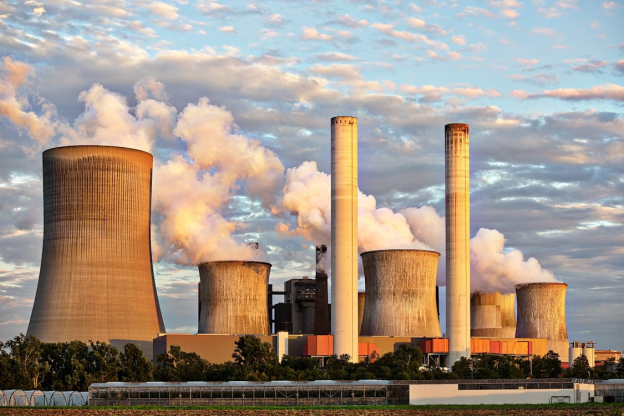
Energy infrastructure forms the backbone of modern society, supporting everything from power generation and fuel distribution to industrial production. As oil, gas, and power networks expand and age simultaneously, safety and reliability have become top priorities. Valves play a central role in this equation, acting as control points that regulate flow, isolate systems, and protect assets during normal operations and emergency conditions. Well-designed precision-engineered industrial valves help ensure that energy systems operate safely under constant pressure, temperature variation, and mechanical stress.
Managing Pressure in Critical Energy Applications
Pressure control is one of the most critical challenges in energy infrastructure. Pipelines, refineries, and power plants operate under conditions where even minor pressure deviations can lead to serious risks. Valves used in these environments must deliver consistent sealing performance while maintaining structural integrity over long service periods. In addition, they must operate reliably through frequent cycling and sudden pressure changes without compromising safety.
In pipeline networks, API 6D ball valves are widely specified because they meet strict industry standards for performance, testing, and reliability. These valves are designed to handle high internal pressures while providing dependable shut-off, helping operators maintain control across long-distance transmission systems. Their proven design also supports reduced maintenance requirements and improved operational confidence in critical energy corridors.

Enhancing Isolation and Emergency Response
Isolation capability is essential in energy facilities, particularly during maintenance or unexpected shutdowns. Valves that fail to isolate effectively can expose personnel to hazards and increase the risk of environmental incidents. To address this, many systems rely on integrated isolation solutions such as double block and bleed valves, which provide two independent sealing barriers along with a controlled pressure release path. This configuration enhances verification and reduces the likelihood of accidental exposure.
These designs allow operators to verify isolation before opening a system, significantly improving safety during inspection or repair. In less complex sections of infrastructure, isolation ball valves continue to serve as reliable shut-off solutions where space and pressure requirements allow. Together, these valve solutions support faster response times, safer maintenance procedures, and improved overall system resilience.
Supporting Reliability Through Material and Design Choices
Long-term reliability depends heavily on material selection and manufacturing methods. Energy infrastructure is often exposed to corrosive media, thermal cycling, and continuous operation. Valves produced through advanced forging processes offer superior resistance to fatigue and deformation, making forged steel valves a preferred choice in high-stress environments.
Similarly, robust valve bodies and optimized sealing systems reduce wear and leakage over time. These design considerations ensure that valves continue to perform reliably, even after years of service in demanding conditions.
Precision Control and Monitoring
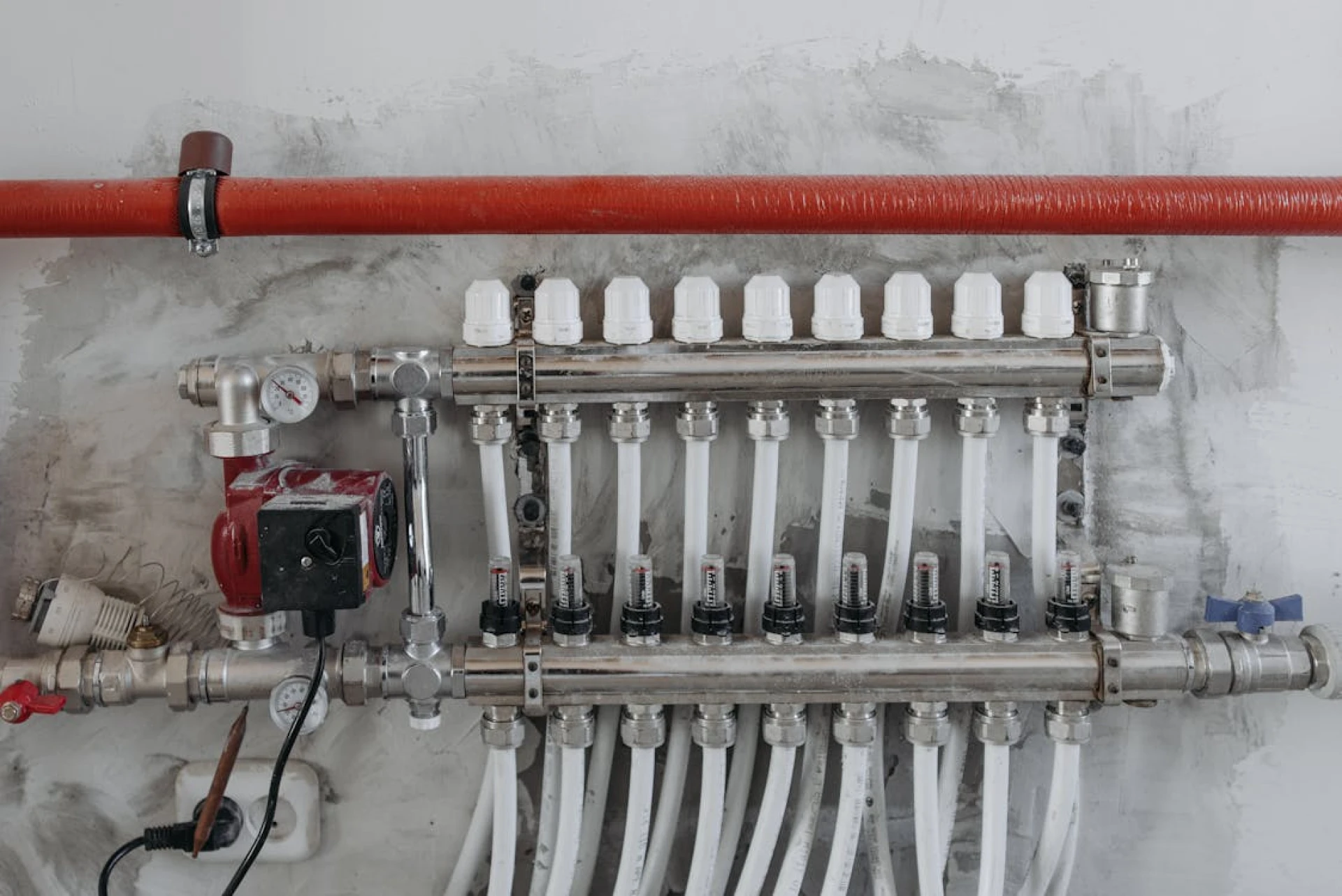
Beyond isolation, accurate control and monitoring are vital for safe energy operations. Flow measurement, pressure sensing, and sampling systems rely on components that protect instruments while maintaining system integrity. Instrumentation valves play a key role here, allowing operators to safely connect gauges and transmitters without exposing them to full line pressure.
In applications requiring controlled dosing or chemical treatment, precise flow regulation supports system stability and protects downstream equipment. These supporting components contribute to the overall reliability of energy infrastructure by ensuring accurate data and controlled processes.
Adaptability Across Oil, Gas, and Power Sectors
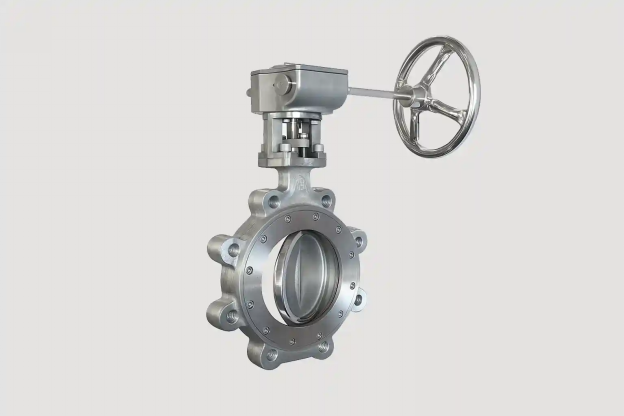
Energy infrastructure is not uniform. Oil and gas facilities, power plants, and renewable energy systems each present unique challenges. Valve solutions must be adaptable to different pressures, temperatures, and operational cycles. In high-volume systems, compact designs such as butterfly valves offer efficient flow control while minimizing space requirements.
Across these varied environments, precision-engineered valves provide the flexibility needed to meet sector-specific demands without sacrificing safety or performance.
Building Safer Energy Infrastructure for the Future
As energy systems continue to evolve, the role of advanced valve engineering becomes even more critical. Aging infrastructure requires reliable components that can extend service life, while new projects demand compliance with stricter safety and environmental standards. By focusing on durability, precision, and intelligent design, valve manufacturers help create safer and more resilient energy networks worldwide.
Partner with YDB Valves LLP
For organizations operating in the energy sector, selecting the right valve solutions is a critical decision. YDB Valves LLP delivers expertly engineered solutions, including precision-engineered industrial valves, designed to support safety, pressure control, and long-term reliability across oil, gas, and power applications.
With a strong focus on quality, performance, and compliance, YDB Valves LLP works closely with clients to address demanding operating conditions and evolving infrastructure needs. To learn more about valve solutions tailored for energy infrastructure, contact YDB Valves LLP and explore how advanced engineering can strengthen operational safety and long-term performance.
About the Author
Michael Harrington is an industrial systems writer with over a decade of experience covering energy infrastructure, process safety, and flow control technologies. He specializes in translating complex engineering concepts into practical insights for industry professionals.






























Sign in to leave a comment.