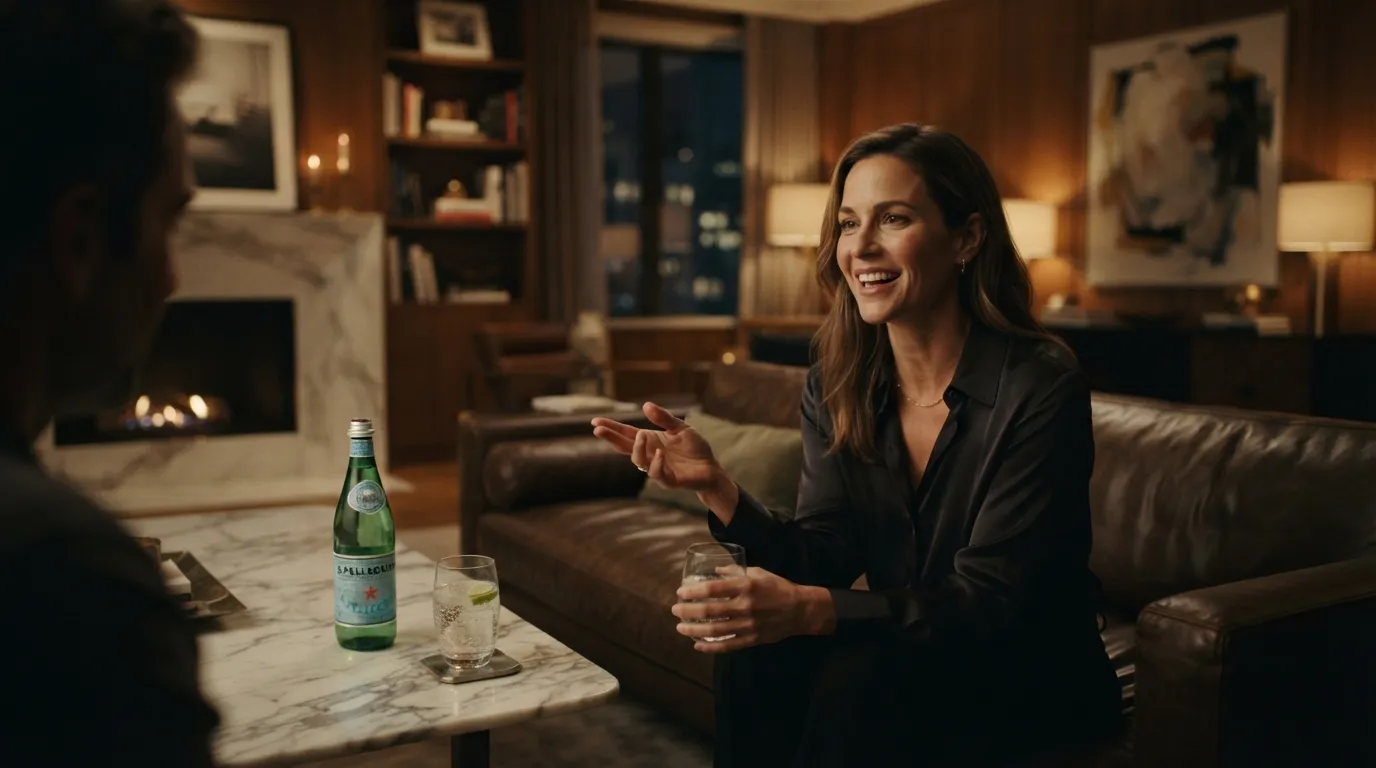

A great movie scene can make you forget that you are watching a movie, and that is exactly why product placement needs to know when to stay in the background.
Think about the last time you noticed a brand in a film. If the product simply belonged in the room, matched the character, or made the setting feel more realistic, you probably did not think much about it. But when a camera suddenly focuses on a logo or a character mentions a product in an unnatural way, the advertising can become more noticeable than the story.
That difference is at the heart of effective product placement. The goal is not simply to put a product in front of an audience. It is to make the brand feel like a natural part of the world being created on screen.
Why Subtle Product Placement Works
Movies are carefully designed around attention. Directors decide where characters stand, what appears in the background, and how long viewers see certain details.
A branded product becomes another part of that visual language.
When it fits naturally into the environment, it can add realism without demanding attention. A vehicle can communicate a character's lifestyle. A drink can belong naturally on a restaurant table. A piece of technology can make a modern setting feel more believable.
As the saying goes, “The best advertising does not feel like advertising.”
That principle is especially important in entertainment because viewers are watching for the story first. If a placement feels like an interruption, it can take viewers out of the moment.
The Product Should Belong in the Scene
One of the simplest ways to make a placement feel natural is to ask whether the product would realistically be there without the marketing agreement.
A premium beverage may make sense at a sophisticated gathering. A particular vehicle may suit the lifestyle of a character. A recognizable technology brand may naturally appear in a workplace or modern home.
The context gives the product meaning.
This is where thoughtful product placement strategies become valuable. Instead of focusing only on logo visibility, marketers can consider the entire scene and how the product fits into it.
A natural appearance can be more convincing than an obvious promotional moment because viewers can understand why the product is there.
Character Fit Makes a Brand More Believable
A product does not exist in isolation. It becomes more authentic when it matches the person using it.
Imagine a character whose profession, personality, lifestyle, or social environment naturally connects with a particular brand. If that person uses the product as part of their normal routine, the placement can feel like a genuine character detail.
That creates an association between the brand and the character without requiring an obvious sales message.
The opposite can also happen. If a product feels completely out of character, viewers may immediately recognize the commercial intention.
Effective placement therefore asks more than whether a product can appear on screen. It asks whether the product belongs in that character's world.
Camera Time Should Serve the Story
One of the quickest ways to make product placement distracting is to give the product more attention than the scene requires.
A long camera shot focused mainly on packaging can feel noticeably different from a product that appears naturally while the action continues.
Placement decisions should therefore consider framing, timing, lighting, and the overall rhythm of the scene.
A product does not necessarily need a close up to be remembered. Sometimes a natural appearance during an important moment can be more effective because viewers encounter it while they are already emotionally engaged with the story.
The right balance allows the brand to gain visibility while keeping the audience focused on the characters and plot.
Story Relevance Can Strengthen Product Placement
A product becomes easier to accept when it has some connection with what is happening.
This does not mean the brand needs to become part of the central plot. It simply needs a believable reason to exist within the scene.
A drink can be part of a conversation. A vehicle can be used during a journey. Clothing can reflect a character's personality. A household product can appear during an everyday activity.
These small connections can transform product placement from simple exposure into storytelling.
Three Details Worth Considering
Before approving a placement, production teams and brands should consider the setting, the character, and the action happening around the product.
If those elements work together, the brand is more likely to feel like part of the scene rather than something inserted afterward.
A Real Example From Entertainment
The appearance of Johnnie Walker Blue Label in The Running Man provides a useful example of how a recognizable premium brand can become part of a film environment.
Rather than treating every branded appearance as a separate advertising moment, entertainment marketing can use products to support the atmosphere and visual identity of a scene. This gives brands an opportunity to appear within content that audiences have already chosen to watch.
For marketers who want to see how this approach works in practice, the Johnnie Walker Blue Label product placement in The Running Man provides a relevant example of brand integration within entertainment content.
The wider lesson is simple. A successful placement does not have to shout for attention. Its strength can come from fitting naturally into the world that the filmmaker has already created.
Brands Need to Think Beyond Visibility
Product placement was once viewed main0ly as a visibility opportunity. The more people who saw a logo, the better.
Today, that approach is not always enough.
Audiences are familiar with branded entertainment, and viewers can quickly recognize when something feels forced. Brands therefore need to think about context, relevance, audience expectations, and storytelling.
This is where professional brand integration can help businesses approach entertainment opportunities with a broader strategy rather than focusing only on where a logo will appear.
The goal should be to create an appearance that makes sense for both sides. The production receives a product that contributes to its world, while the brand becomes part of a story that already has audience attention.
For additional information about advertising and promotional disclosures, marketers can also review the Federal Trade Commission's guidance on endorsements.
The Best Placements Keep the Story in Control
Ultimately, viewers should not have to choose between enjoying a movie and noticing a brand.
The most effective product placements respect the audience's reason for watching. They allow the characters, emotions, conflict, and setting to remain at the center while the brand naturally occupies its place within that world.
This is also where working with an experienced entertainment marketing company such as Media Placement can help brands approach opportunities with greater attention to relevance and storytelling.
The key question is not simply whether a product can appear on screen. It is whether that product makes sense in the moment.
Final Thoughts
Product placement works best when it becomes part of the story rather than a distraction from it.
The strongest examples give a product a believable reason to be present. Through thoughtful scene selection, character fit, appropriate visibility, and strong storytelling, brands can gain meaningful exposure without disrupting the cinematic experience.
For brands considering entertainment marketing, natural brand integration can turn a simple on screen appearance into a memorable part of the story.




























Sign in to leave a comment.