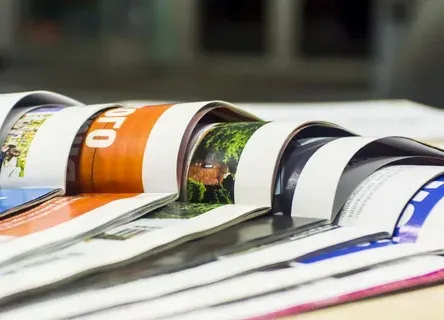

A magazine can contain excellent journalism, compelling photography, and valuable insights, yet the physical publication still plays a major role in how readers perceive its quality. From the cover stock to the paper finish and image reproduction, every production detail contributes to the experience. A professionally printed magazine feels intentional, credible, and worth keeping, while inconsistent printing can weaken even the strongest editorial content.
That is where Magazine Printing Services become an important part of successful publication production. Professional printing combines technical expertise, modern equipment, color accuracy, appropriate paper selection, binding methods, and quality control to transform digital layouts into polished physical publications. For publishers, businesses, associations, educational organizations, and creative teams, choosing the right production approach can make a significant difference in the final result.
Why Print Quality Still Matters for Modern Magazines
Digital media has changed how people consume information, but printed magazines continue to offer something that screens cannot fully reproduce: a tangible reading experience. Readers can physically hold a publication, turn its pages, study its photography, and interact with its design without digital distractions.
High-quality printing strengthens that experience. Sharp typography, accurate colors, clean images, and consistent page alignment help a publication appear professional from the first page to the last.
Print quality also influences brand perception. A company magazine with carefully produced pages communicates attention to detail. Similarly, a professional association publication can appear more authoritative when its physical presentation reflects the value of its content.
The Role of Professional Printing in Publication Success
Professional magazine production involves much more than transferring a PDF onto paper. A successful print project requires careful coordination between editorial content, graphic design, prepress preparation, printing, binding, finishing, and distribution.
Each stage can affect the final publication.
Prepress Preparation
Before a magazine reaches the press, files need to be checked for technical accuracy. Images should have suitable resolution, fonts should be properly embedded, and color settings should match the intended printing process.
Bleeds and trim areas also require attention. If artwork extends to the edge of a page, sufficient bleed must be included to prevent unwanted white borders after trimming.
Professional prepress preparation helps identify potential problems before production begins. Catching errors early can reduce waste, prevent delays, and protect the appearance of the finished magazine.
Color Accuracy and Image Reproduction
Photography is often one of the most important visual elements in magazine publishing. Poor color reproduction can make professional photographs appear dull, overly dark, or inconsistent.
Commercial printing environments use color management practices to maintain greater consistency throughout production. This matters particularly for publications that feature product photography, fashion imagery, artwork, food photography, travel content, or brand-specific colors.
Consistent color reproduction helps readers see images as the publisher intended and creates a more cohesive visual identity across every issue.
Choosing the Right Paper for a Magazine
Paper selection affects both appearance and usability. There is no universal paper stock that works for every publication because different magazines have different audiences, budgets, content types, and design objectives.
Glossy Paper
Gloss-coated paper can provide vibrant image reproduction and a polished appearance. It is often suitable for magazines that depend heavily on photography and visual storytelling.
Matte Paper
Matte stock offers a softer surface with reduced glare. It can create an elegant, sophisticated appearance and may provide a comfortable reading experience for text-heavy publications.
Uncoated Paper
Uncoated stock has a more natural tactile quality. It can work well for publications that want a traditional, understated, or editorial feel.
The right choice depends on the publication's content, design, desired durability, and overall brand positioning. A professional print partner can help evaluate these factors before production.
Selecting the Right Binding Method
Binding determines how magazine pages are assembled and how the publication behaves when opened.
Saddle Stitching
Saddle stitching is commonly used for thinner magazines. Folded sheets are gathered together and secured with staples along the center fold. It offers a clean appearance and can be an efficient option for publications with a suitable page count.
Perfect Binding
Perfect binding creates a square spine and can provide a more book-like presentation. It is often appropriate for thicker magazines, annual publications, guides, and premium editorial pieces.
Other Finishing Options
Depending on the project, additional finishing techniques can enhance the final product. These may include trimming, folding, coating, specialty covers, and other presentation-focused options.
The binding method should support both the publication's physical requirements and its intended visual style.
How Design and Printing Work Together
Strong magazine design does not end when the layout is approved. The design must also be prepared with the printing process in mind.
Typography, image placement, margins, color choices, and page dimensions can all affect production. For example, extremely small text may become difficult to read depending on the paper and printing method. Similarly, subtle color differences can become more noticeable when a publication contains large photographic areas.
Designers and printers therefore benefit from working together early. When production considerations influence design decisions from the beginning, the finished magazine is more likely to match the original creative vision.
Creating Consistency Across Every Issue
For recurring publications, consistency is particularly important. A monthly or quarterly magazine should maintain recognizable standards from one issue to the next.
This includes:
- Consistent color reproduction
- Reliable paper quality
- Uniform trimming
- Accurate page sequencing
- Consistent binding
- Repeatable finishing standards
- Professional packaging and distribution
Readers may not consciously identify every production detail, but inconsistencies can still affect their perception of quality. A reliable printing workflow creates a stronger visual and physical identity over time.
Printing for Different Types of Publications
Professional magazine production supports a wide range of publishing goals.
Business and Corporate Magazines
Corporate publications can showcase company achievements, industry expertise, customer stories, leadership insights, and organizational developments. High-quality production can reinforce a professional corporate image.
Association and Membership Publications
Associations often use magazines to share industry information, educational content, event updates, member stories, and professional resources. Clear printing and durable production help these publications remain useful beyond the initial reading.
Lifestyle and Editorial Magazines
Lifestyle publications rely heavily on photography and visual presentation. Color accuracy, paper selection, cover quality, and finishing can significantly influence how readers interact with the content.
Educational Publications
Educational magazines and learning materials may prioritize readability, durability, and cost efficiency. Selecting suitable paper, binding, and production specifications can help balance usability with budget requirements.
Managing Large Print Runs Efficiently
Large publication projects require careful planning. Quantity, page count, paper specifications, finishing requirements, deadlines, and delivery arrangements should be considered before production begins.
A detailed print specification can make the process easier. It should identify the final size, number of pages, paper stocks, cover requirements, binding method, quantity, color specifications, and finishing preferences.
Production schedules also deserve attention. Publishers should allow enough time for file preparation, proofing, printing, finishing, quality checks, and delivery rather than treating printing as the final step after all other deadlines have passed.
For publishers seeking an integrated approach to commercial print production, Publication Printers provides publication-focused printing and related production capabilities that can support projects from production through fulfillment.
Practical Tips for Better Magazine Printing
A few simple practices can improve the overall production process.
Prepare Print-Ready Files
Confirm document dimensions, bleed settings, image resolution, fonts, and color requirements before submitting files. Proper preparation reduces unnecessary corrections later.
Request a Proof
A proof provides an opportunity to inspect layout, colors, images, and other production details before the full run. Reviewing a proof is particularly valuable for image-heavy publications.
Match Paper to Content
Do not select paper based only on appearance. Consider readability, photography, durability, mailing requirements, and the physical experience you want readers to have.
Plan Around the Distribution Date
Printing is only one part of publication delivery. Build time into the schedule for finishing, packaging, mailing, and fulfillment when the magazine needs to reach readers by a specific date.
Think Beyond the Cover
A strong cover attracts attention, but readers judge the entire publication. Interior pages, image quality, typography, binding, and finishing should all support the same level of professionalism.
Building a Better Reader Experience
The best printed magazines combine editorial value with thoughtful physical production. When content, design, paper, color, binding, and finishing work together, the publication becomes more than a collection of printed pages.
It becomes a complete brand experience.
A well-produced magazine can encourage readers to spend more time with the content, revisit important articles, share the publication with others, and retain a stronger impression of the organization behind it. For businesses and publishers, that physical interaction can support credibility and long-term audience engagement.
Frequently Asked Questions
What makes professional magazine printing different?
Professional magazine printing combines commercial-grade equipment, experienced production processes, color management, quality control, appropriate paper selection, binding, and finishing to produce consistent publications at scale.
Which paper is best for magazine printing?
The best paper depends on the publication's content and desired appearance. Gloss, matte, and uncoated stocks each offer different visual and tactile characteristics, so the choice should match the magazine's design and audience.
Is proofing necessary before a large print run?
Yes. A proof allows publishers to review important details before production begins and can help identify issues with colors, images, text, spacing, or layout.
What binding is best for magazines?
Saddle stitching can work well for thinner magazines, while perfect binding is often suitable for thicker publications. The appropriate method depends on page count, durability, budget, and desired appearance.
How can publishers improve print consistency?
Using standardized production specifications, properly prepared files, consistent paper stocks, reliable color management, and professional quality control can help maintain consistency across print runs and recurring issues.
Conclusion
A high-impact magazine begins with strong content, but professional production gives that content a physical form that readers can see, touch, and remember. From accurate color reproduction and carefully selected paper to dependable binding and finishing, every production decision contributes to the publication's overall quality.
By planning specifications early, preparing print-ready files, reviewing proofs, and partnering with an experienced commercial printer, publishers can create magazines that look polished, feel professional, and deliver a stronger reader experience. When print quality supports editorial and design goals, a magazine becomes a lasting communication tool rather than simply another printed document.























Sign in to leave a comment.