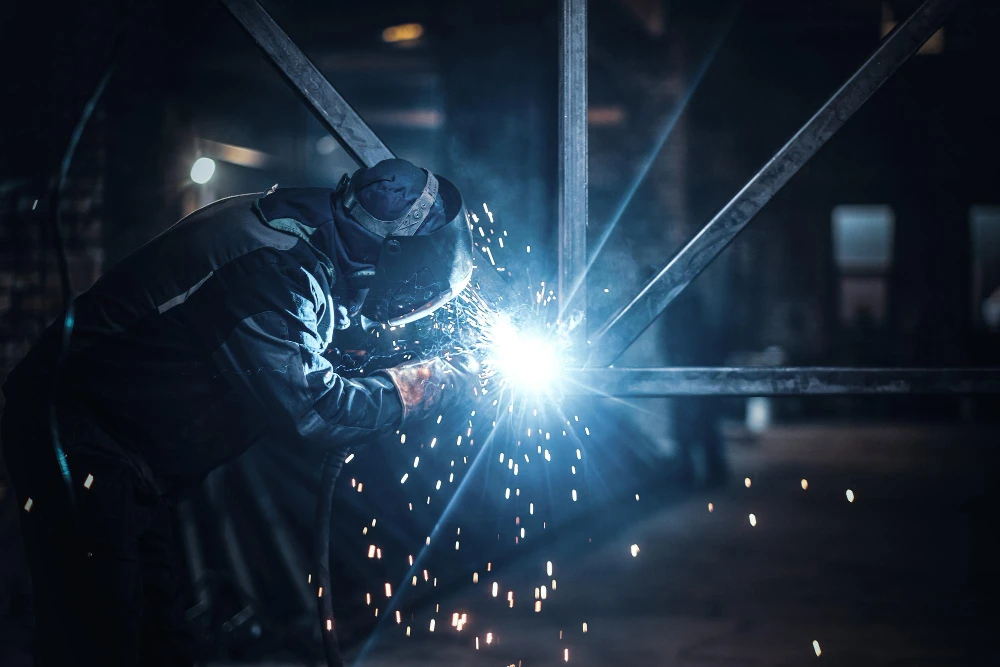

Professional metal fabricators are skilled workers who shape and join metal to create different products. They work in factories, workshops, or construction sites to make tools, machines, buildings, and other metal structures. The metal fabricators in Brisbane job requires knowledge, experience, and special tools to cut, bend, and weld metal.
Step 1: Understanding the Design
Before starting a project, metal fabricators read blueprints or technical drawings. These drawings show the size, shape, and materials needed. Engineers and designers create these plans to guide the fabricators in making accurate products.
Step 2: Choosing the Right Metal
Different metals are used for different purposes. Some common metals include:
- Steel – Strong and durable, used for buildings and bridges.
- Aluminium – Lightweight and resistant to rust, used for airplanes and vehicles.
- Copper – Conducts electricity well and is used for wiring and electronics.
- Stainless Steel – It does not rust easily and is used for kitchen equipment and medical tools.
Step 3: Cutting the Metal
After selecting the right metal, fabricators cut it into the required shape. They use different methods, such as:
- Shearing – Cutting with large scissors for thin metal sheets.
- Sawing – Using a saw to cut metal bars or pipes.
- Plasma Cutting – Using a high-energy plasma torch to cut thick metal.
- Laser Cutting – Using a laser beam for precise and smooth cuts.
Step 4: Shaping and Bending the Metal
Metal does not always come in the right shape, so metal fabricators in Brisbane bend and form it as needed. They use:
- Press Brakes – Large machines that bend metal sheets at different angles.
- Rollers – Machines that curve metal into round shapes.
- Hammers and Hand Tools – For small adjustments and fine details.
Step 5: Joining the Metal Parts
Once the pieces are cut and shaped, they must be joined together. The most common joining methods are:
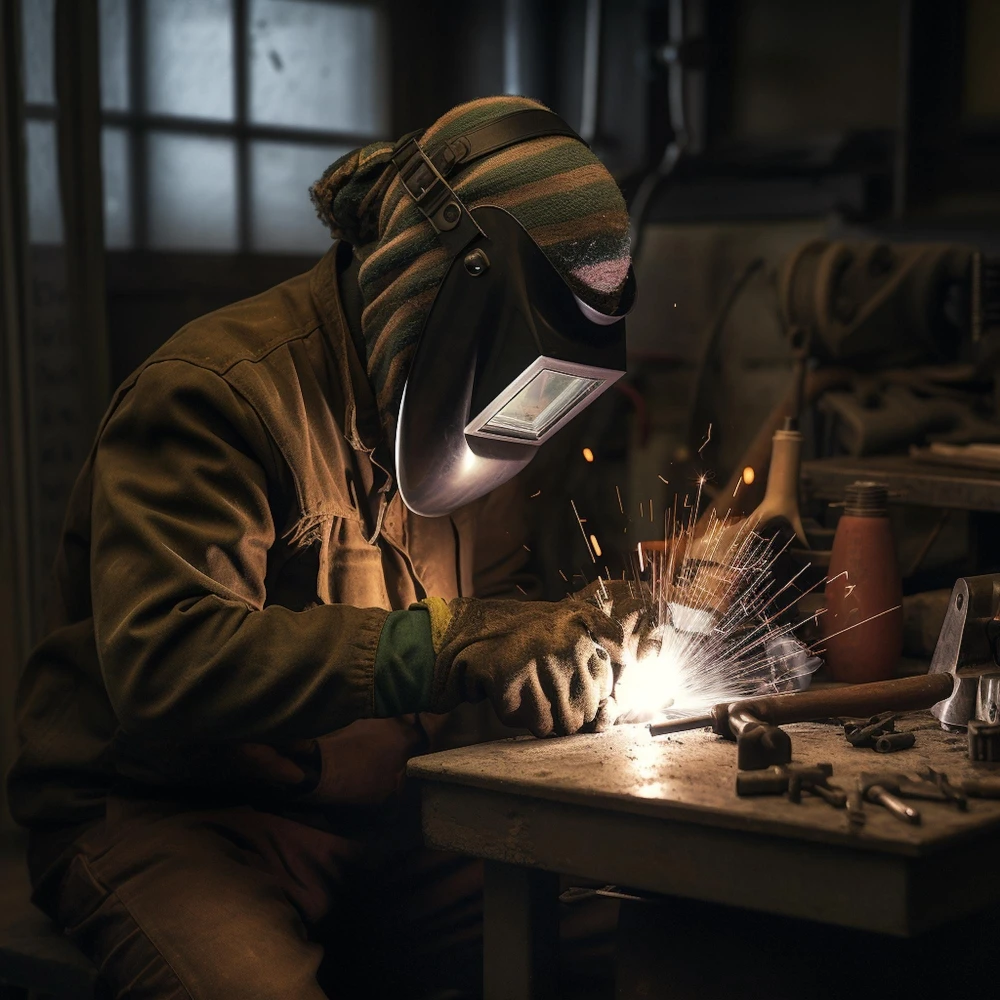
- Welding – Using heat to melt and fuse metal pieces.
- Riveting – Using metal fasteners to join pieces without welding.
- Bolting – Using nuts and bolts to attach metal parts.
- Soldering – Using melted metal to bond small components, often used in electronics.
Step 6: Finishing the Product
The metal product needs to look good and work well. Fabricators finish it by:
- Grinding and Polishing – Smoothing rough edges and surfaces.
- Painting or Coating – Adding a layer of paint or powder to prevent rust.
- Inspecting – Checking for any mistakes or weak spots.
Step 7: Installing or Delivering the Product
After finishing, the product is sent to its destination. Some fabricators install their work on-site, such as in construction projects. Others deliver finished parts to companies that use them in machines, vehicles, or buildings.
Tools and Equipment Used by Metal Fabricators
Metal fabricators use many tools, including:
- Welding machines – For joining metal.
- Cutting torches – For slicing through thick metal.
- Drill presses – These are used to make holes in metal.
- CNC Machines – Computer-controlled machines for precise cutting and shaping.
Skills Needed to Be a Metal Fabricator
A professional metal fabricator must have:
- Technical Skills – Knowing how to use tools and read blueprints.
- Attention to Detail – Ensuring accurate measurements and cuts.
- Physical Strength – Handling heavy materials and working with tools.
- Problem-Solving Ability – Fix mistakes and adjust designs.
Conclusion
Professional metal fabricators play a vital role in making products that people use every day. Metal fabricators in Brisbane shape the world around us, from bridges to airplanes to kitchen tools. Their work requires skill, patience, and creativity to turn raw metal into useful items. Whether cutting, bending, welding, or finishing, they ensure that every metal product is strong, durable, and well-made.

























Sign in to leave a comment.