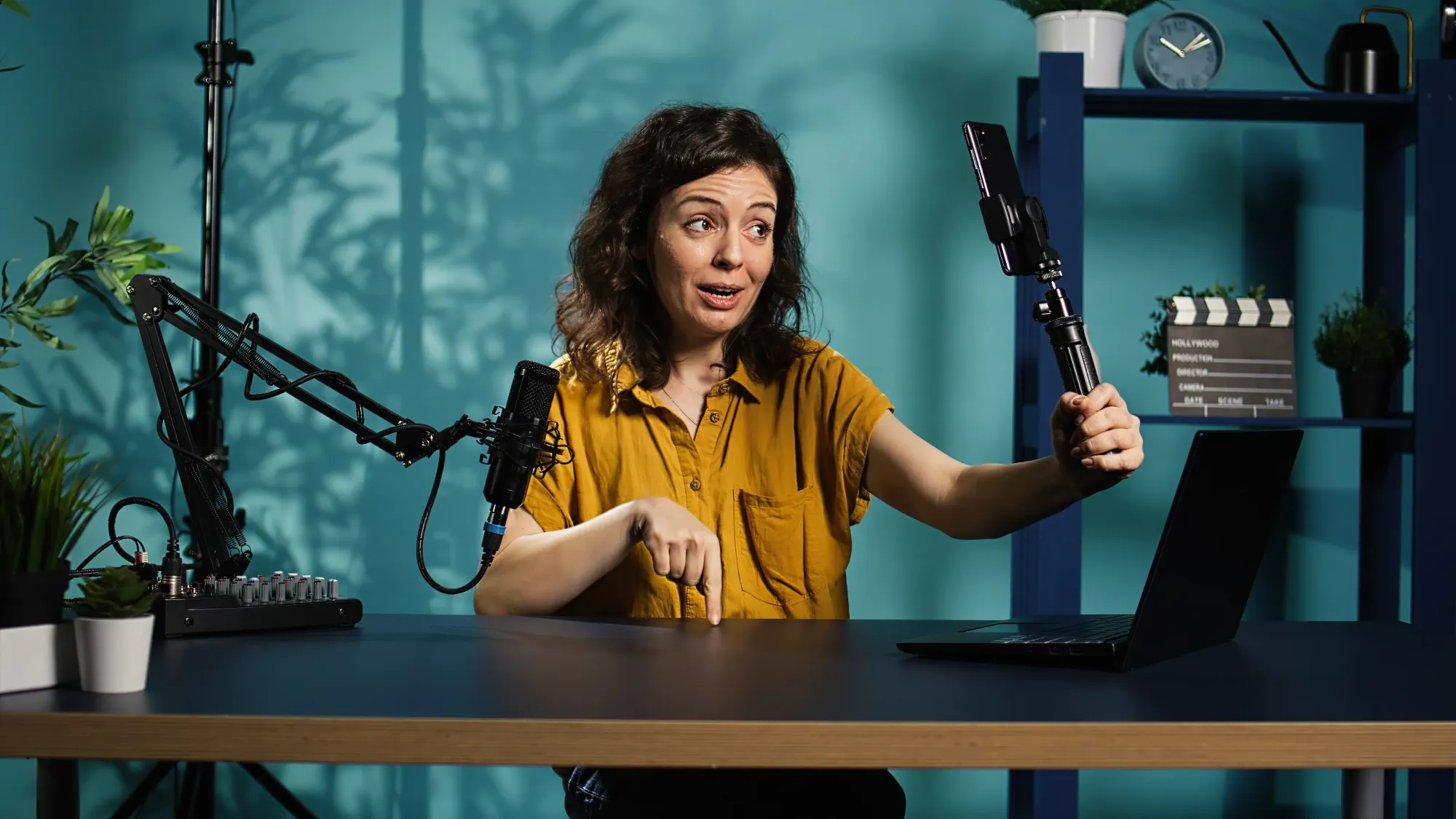
A guy I used to work with, Karan, started a podcast about two years ago. Mostly career advice stuff, interviews with people in HR, the occasional rant about corporate culture. He recorded it from his apartment using a mic he got off Amazon and honestly, the content was solid. He knew what he was talking about. People who actually listened all the way through said so.
The problem was getting people to listen all the way through.
He told me once that he'd look at his download numbers and feel confused. Good guests, decent topics, and still this steady drop-off after the first few minutes. He blamed his intros. Rewrote them four or five times. Still the same pattern.
It wasn't the content. It was never the content. It was that his audio sounded like it was recorded in an apartment, because it was.
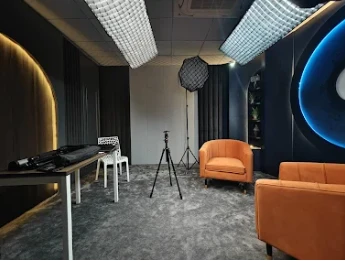
He eventually started booking time at an actual studio, mostly because a friend convinced him to just try it once. And here's the thing nobody really tells you going in — it wasn't just the sound that changed. Something about how he showed up changed too.
Your voice is doing more work than you think
When people think about personal branding they think logos, colour palettes, that whole visual identity thing. Fair enough, that matters. But if you're a podcaster, your actual voice — the sound of it, not what you're saying — is your brand in a way that's easy to underestimate.
Think about the podcasts you actually trust. Not just enjoy, trust. There's usually a clarity to how they sound. Nothing distracting. You're not working to understand them, you're just absorbing what they're saying. That ease translates into something that feels a lot like credibility, even though technically all that changed was audio quality.
Karan's content didn't get smarter after he switched studios. He sounded like someone worth listening to. Those aren't quite the same thing but they get treated like they are.
Consistency is the unglamorous part of branding that actually matters
Nobody talks about this enough. A personal brand isn't really built in one great episode. It's built in episode after episode sounding like the same person, the same quality, the same experience for the listener every single time.
Home recording makes that hard without you even realising it. Different time of day means different background noise. Different mood means you're sitting closer or farther from the mic without thinking about it. Small inconsistencies that pile up until your show feels a little unpredictable, even if the content itself is consistently good.
A studio takes that variable away entirely. Same room, same setup, same mic position every time you walk in. Your audience doesn't consciously notice this. They just notice that your show always sounds like your show. That reliability becomes part of what they trust about you.
The guest experience reflects back on you
This one took me a while to fully get. When you bring someone onto your show and record in a proper studio, it changes how that guest behaves, which then changes how you come across.
Guests in a professional environment tend to relax differently. They give better, more considered answers. They treat the conversation like it matters because the space itself signals that it matters. And when your guests sound great, your show sounds great, and by extension you look like someone who runs a great show.
It's a strange kind of branding effect. You're not doing anything different. You're just creating conditions where everyone involved naturally performs better.
What it does to how you actually show up
Karan mentioned this almost as an afterthought once and it stuck with me. He said in the studio he stopped worrying about the mic picking up his neighbour's washing machine or whether his voice sounded thin through his laptop's mic input. All that mental noise just disappeared.
What was left was him just... talking. More relaxed. More himself. And that version of him, the one not distracted by managing his environment, is the version that actually built his audience.
There's a thing that happens when your audio finally matches what you sound like in your head. You stop second-guessing every episode before it's even published. You publish more often because you're not dreading the listen-back. That confidence is part of your brand whether you think of it that way or not.
Branding is mostly about reducing friction for the listener
If you strip away all the language around personal branding, what it really comes down to is making it easy and pleasant for someone to keep choosing you. Clear audio is one less reason for someone to click away. A consistent sound is one more reason they trust what's coming. A guest who sounds comfortable is one more reason the episode feels worth finishing.
None of that has anything to do with a logo or a tagline. It's just the experience of listening to you, episode after episode, feeling reliably good.
Karan's show grew a lot after he made the switch. Not because he became a different person on the mic. Just because the studio got out of the way of the person he already was, and let that come through clearly enough for people to actually hear it.
























Sign in to leave a comment.