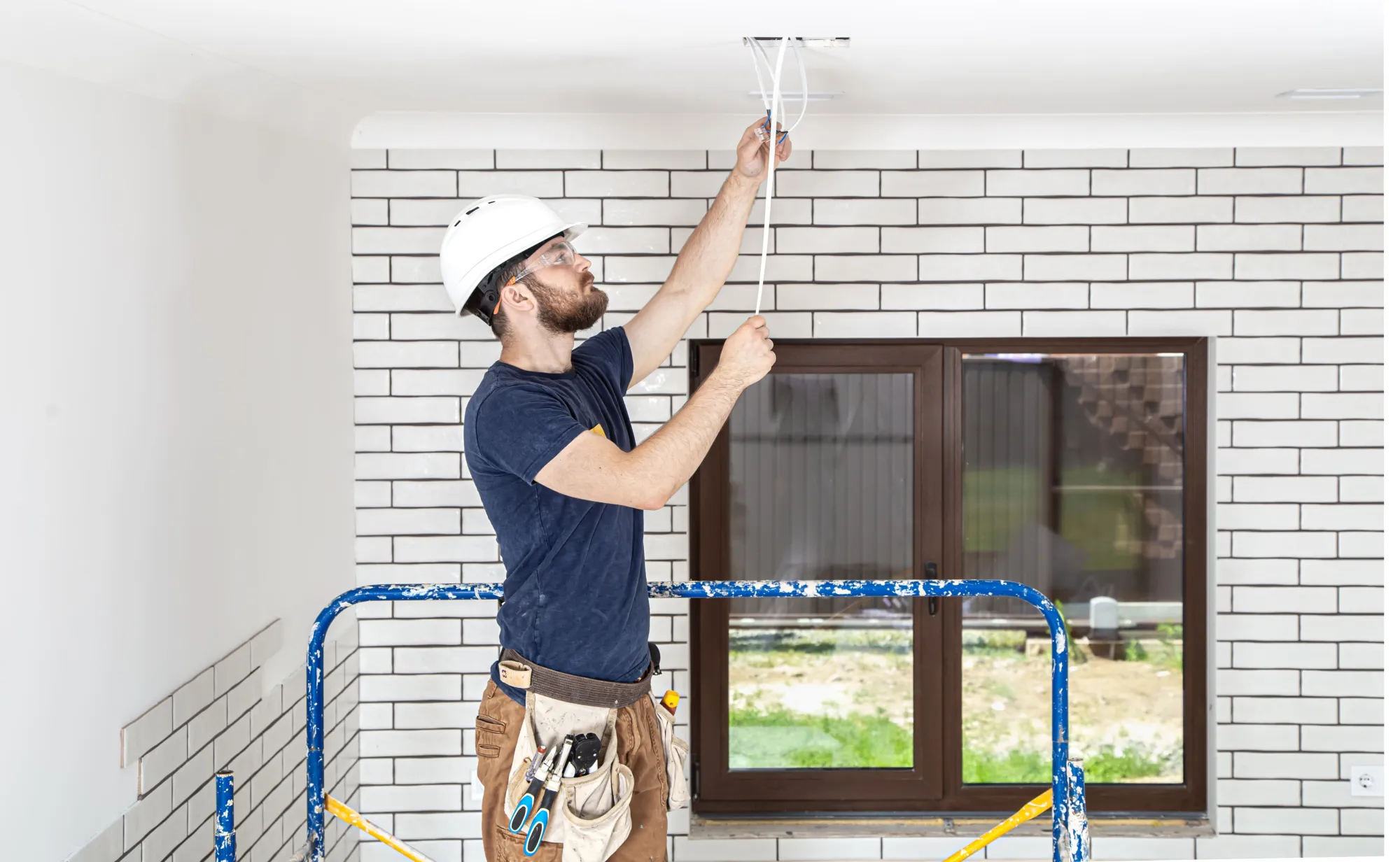

A home's comfort and energy performance depend heavily on how effectively its building envelope manages heat transfer. While heating systems receive much of the attention during Calgary's colder months, insulation plays an equally important supporting role.
Insulation helps slow the movement of heat through walls, ceilings, floors, and other parts of a building. When appropriately selected and installed, it can help maintain more consistent indoor temperatures and reduce the workload placed on heating and cooling equipment.
For homeowners considering renovations or improvements, understanding how insulation works can provide useful insight into long-term comfort and energy efficiency.
How Insulation Affects Heat Transfer
Heat naturally moves from warmer areas toward colder areas. During winter, indoor heat tends to move toward the colder exterior. During warmer weather, the direction can reverse as outdoor temperatures rise.
Insulation acts as a thermal barrier that slows this movement.
The effectiveness of an insulation system depends on factors such as its thermal resistance, thickness, installation quality, and how well it integrates with the rest of the building envelope.
Simply installing insulation does not guarantee maximum performance. Gaps, compression, moisture, and other installation issues can reduce its effectiveness.
Why Insulation Is Important in Calgary
Calgary homes can experience substantial seasonal temperature changes. Winter conditions can place significant demands on heating systems, while warmer summer periods can create the opposite challenge.
A well-insulated building envelope helps reduce the rate at which indoor temperatures are affected by outdoor conditions.
This can make rooms feel more stable and comfortable. Exterior walls, attic spaces, basements, and areas surrounding windows and doors deserve particular attention because these locations can contribute significantly to unwanted heat transfer.
For existing homes, insulation improvements may also address areas that were built to older standards or have deteriorated over time.
Improving Indoor Comfort
Energy efficiency and comfort often overlap.
When insulation is inadequate, certain rooms may feel noticeably colder than others. Occupants may experience drafts, cold wall surfaces, or temperature differences between floors.
Improved insulation can help reduce these variations by slowing heat movement through the building envelope.
This is particularly useful in rooms that are exposed to exterior conditions on multiple sides or areas that sit above unheated spaces such as garages.
The objective is not to make every room identical in temperature but to create a more predictable and stable indoor environment.
Reducing the Workload on Heating Systems
A building that loses heat quickly requires more energy to maintain its desired indoor temperature.
When insulation reduces heat transfer, heating systems may not need to operate as frequently or for as long to maintain the same conditions.
This can contribute to lower energy consumption, although the actual impact depends on numerous factors, including the home's size, construction, heating system, air leakage, windows, thermostat settings, and occupant behaviour.
Insulation should therefore be viewed as one part of a broader energy-efficiency strategy rather than a standalone solution.
Insulation Installation Quality Matters
The quality of installation can have a major influence on insulation performance.
Poorly fitted material may leave gaps around framing members or other obstacles. Excessive compression can also affect some insulation materials, while moisture can create additional concerns depending on the product and location.
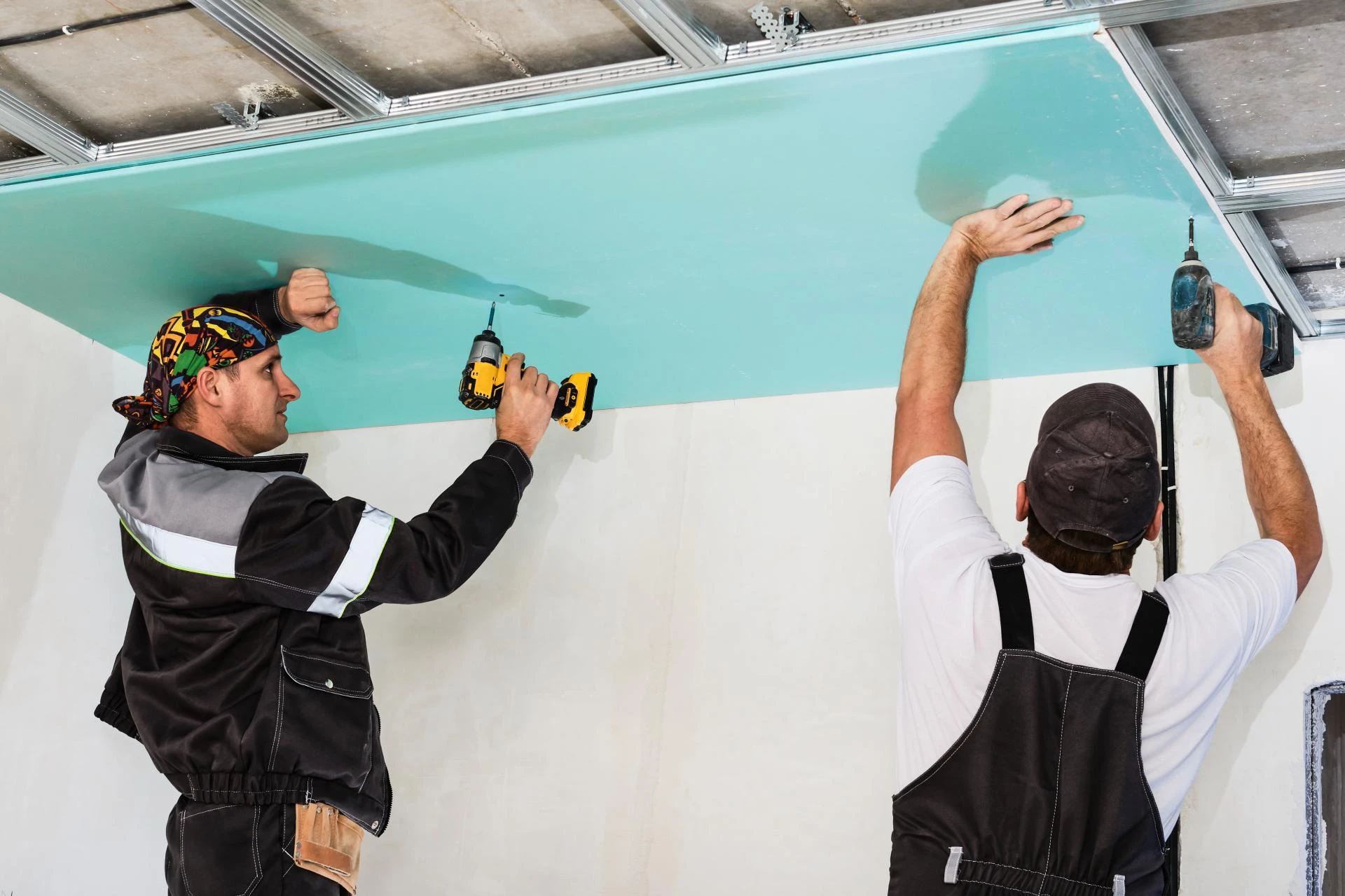
Professional insulation installation in Calgary should take the specific characteristics of the building into account.
Before installation begins, it can be useful to assess the existing wall or ceiling assembly, identify areas where insulation is missing or insufficient, and consider any moisture or air-leakage concerns.
Attic and Ceiling Insulation
Heat loss does not occur only through exterior walls. Attic and ceiling areas can also play an important role in overall building performance.
Because warm air rises, poorly insulated attic spaces can contribute to significant heat loss during colder weather. Proper insulation in these areas can help maintain indoor temperatures and reduce the amount of heat escaping through the upper part of the building.
Ventilation and moisture management should also be considered when improving attic insulation. The appropriate approach depends on the home's existing construction and ventilation design.
Basement Insulation Considerations
Basements present different challenges from above-grade areas.
Because they are partially or completely below ground, basement walls interact with the surrounding soil and can experience moisture-related conditions that are different from those found elsewhere in the home.
Before insulation is installed, any existing moisture problems should be addressed. The wall assembly should also be planned carefully so that insulation, framing, moisture management, and interior finishes work together.
This is particularly important when a previously unfinished basement is being converted into a living area.
Looking Beyond Energy Savings
Although energy efficiency is an important reason to improve insulation, there can be additional benefits.
Insulated wall assemblies may help with sound reduction, making bedrooms, offices, and other rooms more comfortable. They can also contribute to more consistent surface temperatures around exterior walls.
These benefits demonstrate why insulation should be considered part of the overall interior environment rather than simply an energy-saving material.
Planning Insulation Improvements
Homeowners considering insulation upgrades should first determine where improvements are most needed.
An assessment may consider:
- Existing insulation levels
- Exterior walls and ceilings
- Attic spaces
- Basement walls
- Areas above garages
- Windows and doors
- Air leakage
- Moisture conditions
- Heating and ventilation systems
Addressing the weakest areas first can sometimes provide greater value than making changes without understanding the existing building envelope.
It is also important to ensure that renovation work complies with applicable building requirements and that the selected materials are appropriate for their intended location.
Conclusion
Proper insulation can contribute significantly to a home's comfort and energy performance by slowing unwanted heat transfer and helping indoor temperatures remain more consistent. Its effectiveness depends not only on the insulation material but also on proper planning, installation, moisture management, and integration with the rest of the building envelope.
For homeowners in Calgary, reviewing insulation as part of a broader renovation or energy-efficiency plan can help create interiors that remain more comfortable across changing seasons. Companies such as Calgary Drywall can be considered when insulation and interior wall work need to be coordinated as part of a renovation project.

























Sign in to leave a comment.