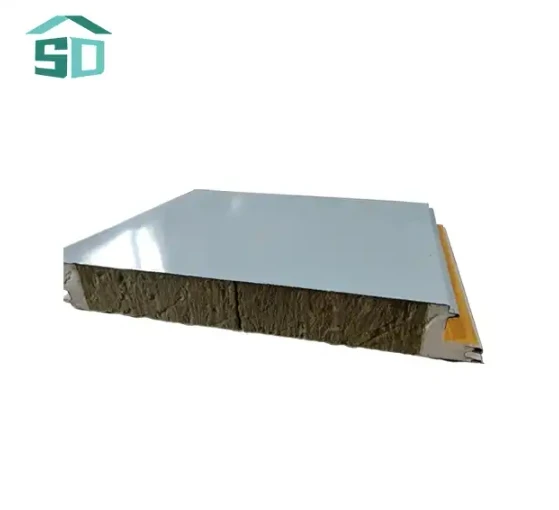

When it comes to modern construction, the demand for energy-efficient and noise-reducing materials is on the rise. PU (Polyurethane) sandwich panels, composed of a core of polyurethane foam encased between two durable outer layers, are rapidly gaining recognition for their exceptional thermal insulation and soundproofing properties. These panels are revolutionizing the building industry by offering a cost-effective and sustainable solution to temperature regulation and noise control. But how exactly do these panels work? What are their benefits? And why should you consider them for your next construction project? In this blog, Sandong Building Material Company will delve deep into the role of PU sandwich panels in enhancing both thermal insulation and soundproofing, exploring their applications, advantages, and why they are the future of modern building materials.
1. What Are PU Sandwich Panels and How Do They Enhance Thermal Insulation?
PU sandwich panels are innovative construction materials made of a polyurethane foam core sandwiched between two outer metal or composite layers, such as steel or aluminum. The polyurethane foam at the core is known for its low thermal conductivity, making it an excellent insulator against both heat and cold. This characteristic ensures that buildings constructed with PU sandwich panels experience reduced energy loss and improved temperature regulation.
The foam core in these panels acts as a barrier to heat transfer, preventing external temperature fluctuations from impacting the interior of the building. During the colder months, the panels trap heat inside, helping to maintain a warm and comfortable environment without relying heavily on heating systems. In warmer months, the insulation works in reverse, preventing the hot air from penetrating the building and maintaining a cooler interior. This leads to significant reductions in energy consumption and lower utility bills, making PU sandwich panels an energy-efficient choice for both residential and commercial buildings.
Moreover, PU sandwich panels are also known for their superior R-value (thermal resistance), which indicates how effectively a material resists heat flow. The higher the R-value, the better the material performs in terms of insulation. The unique structure of PU sandwich panels gives them an excellent R-value, often higher than that of many traditional insulation materials. This makes them a highly effective solution for improving the energy efficiency of a wide range of building types, from warehouses and industrial buildings to homes and offices.
Additionally, the lightweight design of PU sandwich panels ensures easy handling and installation, without compromising on their insulating properties. Their ability to provide superior thermal insulation with minimal weight makes them ideal for large-scale projects where both energy efficiency and structural integrity are crucial.
2. How Do PU Sandwich Panels Contribute to Soundproofing in Buildings?
In addition to their remarkable thermal insulation, PU sandwich panels also offer excellent soundproofing capabilities. The combination of the polyurethane foam core and the metal outer layers helps to absorb and block sound waves, reducing noise transmission between rooms, floors, and even between the building and the outside environment.
Buildings, especially those in urban areas or near high-traffic zones, often face the challenge of unwanted noise intrusion. PU sandwich panels address this issue by acting as an acoustic barrier. The foam core is specifically designed to dampen sound vibrations, preventing them from passing through the structure. This makes PU sandwich panels an ideal choice for applications where noise control is important, such as in office buildings, schools, hospitals, hotels, and residential properties.
The effectiveness of soundproofing largely depends on the thickness and density of the polyurethane foam core, as well as the type of outer layers used. For example, using thicker foam cores or specialized materials can further enhance the panels’ soundproofing properties. The metal or composite layers add additional mass and structural integrity, which helps to block sound waves from passing through.
PU sandwich panels are especially effective in spaces that require a quiet and conducive environment for work, study, or relaxation. In office buildings, they can help to reduce noise from external sources such as traffic or neighboring businesses, creating a more productive workspace. In residential buildings, they prevent noise from traveling between rooms or from neighboring properties, ensuring greater comfort and privacy.
The combination of thermal insulation and soundproofing benefits makes PU sandwich panels a versatile material that meets the needs of both residential and commercial buildings, especially in areas where noise pollution is a concern.
3. What Are the Advantages of Using PU Sandwich Panels for Insulation and Soundproofing?
The popularity of PU sandwich panels can be attributed to a variety of benefits they offer over traditional building materials, particularly in terms of insulation and soundproofing. Below are some of the key advantages of using PU sandwich panels for these purposes:
- Energy Efficiency: PU sandwich panels are highly efficient at preventing heat transfer, resulting in lower energy consumption for heating and cooling. This leads to reduced utility bills and a smaller carbon footprint, making them an eco-friendly choice for sustainable construction projects.
- Cost-Effectiveness: Although PU sandwich panels may have a higher initial cost compared to some traditional materials, their energy efficiency and long-term savings on energy bills make them a cost-effective option over time. The reduced need for HVAC systems and insulation upgrades can significantly lower overall construction and operational costs.
- Superior Soundproofing: The acoustic performance of PU sandwich panels is one of their standout features. The foam core effectively reduces noise transmission, creating a quieter indoor environment. This is particularly valuable in commercial and residential buildings, where noise pollution can be a major issue.
- Lightweight Yet Durable: Despite their high insulating and soundproofing capabilities, PU sandwich panels are incredibly lightweight, making them easy to transport and install. This results in faster construction times and reduced labor costs. Additionally, their durability and resistance to environmental factors like corrosion and weathering ensure that they provide long-lasting performance without requiring frequent maintenance.
- Versatility in Applications: PU sandwich panels are suitable for a wide range of applications, from industrial warehouses and cold storage facilities to office buildings and residential homes. Their ability to provide both thermal insulation and soundproofing makes them an excellent choice for diverse building projects.
- Fire Resistance: Many PU sandwich panels are designed with fire-resistant properties, which adds an extra layer of safety for buildings. The panels can help to limit the spread of fire, giving building occupants more time to evacuate and reducing the overall damage caused by fire incidents.
Overall, PU sandwich panels provide a combination of thermal insulation, soundproofing, durability, and cost-effectiveness that makes them an ideal solution for modern construction projects focused on energy efficiency and noise control.
4. What Are the Applications of PU Sandwich Panels in Different Building Types?
PU sandwich panels are versatile materials that can be used in a variety of building types, each benefiting from their thermal and acoustic properties. Let’s explore the key applications of these panels in different sectors:
- Commercial Buildings: PU sandwich panels are widely used in office buildings, shopping malls, and retail spaces. The excellent thermal insulation reduces the need for air conditioning or heating, leading to energy savings. Additionally, the soundproofing properties help reduce noise from external traffic, creating a more comfortable work environment.
- Residential Buildings: Homeowners increasingly choose PU sandwich panels for their insulation and soundproofing properties. The panels provide an ideal solution for creating energy-efficient homes with enhanced privacy. The reduced energy consumption and noise levels contribute to an improved quality of life.
- Industrial and Agricultural Buildings: PU sandwich panels are commonly used in the construction of warehouses, factories, and cold storage facilities. The panels’ ability to maintain consistent internal temperatures makes them perfect for temperature-sensitive environments, such as food storage or industrial operations. Additionally, their soundproofing qualities help reduce noise pollution in noisy industrial areas.
- Recreational and Hospitality Buildings: Hotels, resorts, and leisure centers benefit from the use of PU sandwich panels, which help maintain comfortable temperatures and reduce noise from neighboring rooms or external sources. These panels ensure that guests experience a quiet and cozy environment, enhancing their overall stay.
- Cold Storage and Clean Rooms: In industries where maintaining specific temperature conditions is crucial, such as pharmaceuticals or food storage, PU sandwich panels offer an excellent solution. The superior insulation properties help maintain controlled environments, ensuring that products are kept at the required temperatures.
5. Why Are PU Sandwich Panels the Future of Building Materials?
PU sandwich panels represent the future of building materials due to their unmatched combination of thermal insulation, soundproofing, cost-effectiveness, and versatility. As the world focuses more on sustainability and energy efficiency, the demand for materials like PU sandwich panels will continue to grow. These panels not only help meet environmental goals but also enhance the comfort and functionality of buildings.
Their lightweight design and ease of installation make them a preferred choice for both large-scale commercial projects and smaller residential constructions. As technology continues to evolve, we can expect even greater performance from PU sandwich panels, with improvements in insulation values, fire resistance, and customization options.
With a growing emphasis on energy efficiency, noise reduction, and sustainability in construction, PU sandwich panels are well-positioned to shape the future of the industry.
The above is a brief introduction about PU sandwich board, if you are interested in our products, welcome to learn about our website blogs. We will keep you updated with the latest news on building materials
References:
- “Understanding Sandwich Panels in Construction.” Construction Materials Weekly.
- “The Role of PU Sandwich Panels in Energy Efficient Construction.” Building Innovations Journal.
- “Benefits of Soundproofing with PU Sandwich Panels.” Architectural Design Review.
- “Energy Efficiency in Modern Buildings.” Energy Management Today.
- “PU Sandwich Panels in Sustainable Construction.” Sustainable Building Solutions.
For more information or inquiries about using PU sandwich panels in your next project, feel free to contact Sandong Building Materials at [email protected].










Sign in to leave a comment.