Public art has long been more than just decoration. It is a dialogue between people, places, and ideas. In recent years, public art programs have evolved into vibrant platforms that connect artists, communities, and organizations through creative collaboration. They bring art beyond galleries and museums, allowing creativity to thrive in open spaces where everyone can experience it.
By transforming shared environments, these programs not only inspire beauty but also nurture cooperation, civic pride, and innovation among diverse groups of people.
The Power of Public Art in Building Connections
Public art programs are fundamentally about connection. They bring together artists, architects, local councils, cultural institutions, and community members to create works that reflect shared values and stories. Whether it is a mural on a city wall, a sculpture in a public park, or an interactive installation, the process of creating these works requires collaboration at every level.
The act of designing and installing public art encourages dialogue between different perspectives. Artists engage with local residents to understand their environment, history, and aspirations. This exchange of ideas often sparks new ways of thinking, helping both artists and communities see their surroundings and each other in a fresh light.
Moreover, these initiatives promote inclusivity. Public art transcends barriers of language, age, and background, offering a universal form of expression that invites participation. When communities contribute to artistic projects, they feel ownership of their environment, turning public spaces into shared creative canvases.
Collaborative Creativity: Artists and Communities Working Together
One of the defining characteristics of successful public art programs is co-creation, the idea that art is made not just for the public but with the public. This collaboration begins early in the creative process, from brainstorming concepts to selecting materials and final presentation.
Artists often hold workshops, discussions, and open studios where community members can contribute ideas or even help produce the artwork. This process builds trust and mutual respect, transforming what might have been a solitary creative act into a collective experience.
For example, mural projects often involve local schools or neighborhood groups, giving participants hands-on experience in painting and design. The result is more than just a visually appealing artwork. It becomes a story of shared effort, representing a community’s identity and aspirations.
This collaborative dynamic also helps artists grow. Working within public art programs exposes them to diverse cultural influences, challenges them to adapt their creative vision, and encourages innovation. The blend of professional artistry with community insight results in work that feels authentic, meaningful, and deeply connected to its setting.
Encouraging Innovation Through Shared Perspectives
Public art programs naturally foster innovation because they invite multiple viewpoints into the creative process. Artists collaborate with urban planners, engineers, and technologists to design pieces that integrate with the environment in imaginative ways.
Interactive installations, for instance, combine art and technology to engage viewers more directly. Light projections, sound-based sculptures, and augmented reality experiences are now becoming common features of modern cities. These multidisciplinary collaborations stretch the boundaries of what art in public spaces can achieve.
Additionally, the collaborative process teaches participants to think creatively about problem-solving. Finding ways to adapt art to outdoor settings, environmental conditions, and accessibility standards requires ingenuity. In this sense, public art becomes not only an aesthetic contribution but also a model for innovative teamwork.
The Broader Impact on Communities
Beyond aesthetics and collaboration, public art programs contribute to social well-being and cultural development. They encourage public dialogue, strengthen civic identity, and can even boost local economies by attracting tourism and creative industries.
When residents come together to create or support a piece of art, they also strengthen social networks. Public art becomes a shared symbol of community pride, something that represents unity amid diversity. These projects also help revitalize underused or neglected spaces, turning them into landmarks of creativity and engagement.
Moreover, such programs support emerging artists, offering them a chance to showcase their work and collaborate with experienced professionals. This mentorship-driven environment enriches both the creative and social fabric of a community.
The Center for Arts and Innovation: Empowering Collaboration
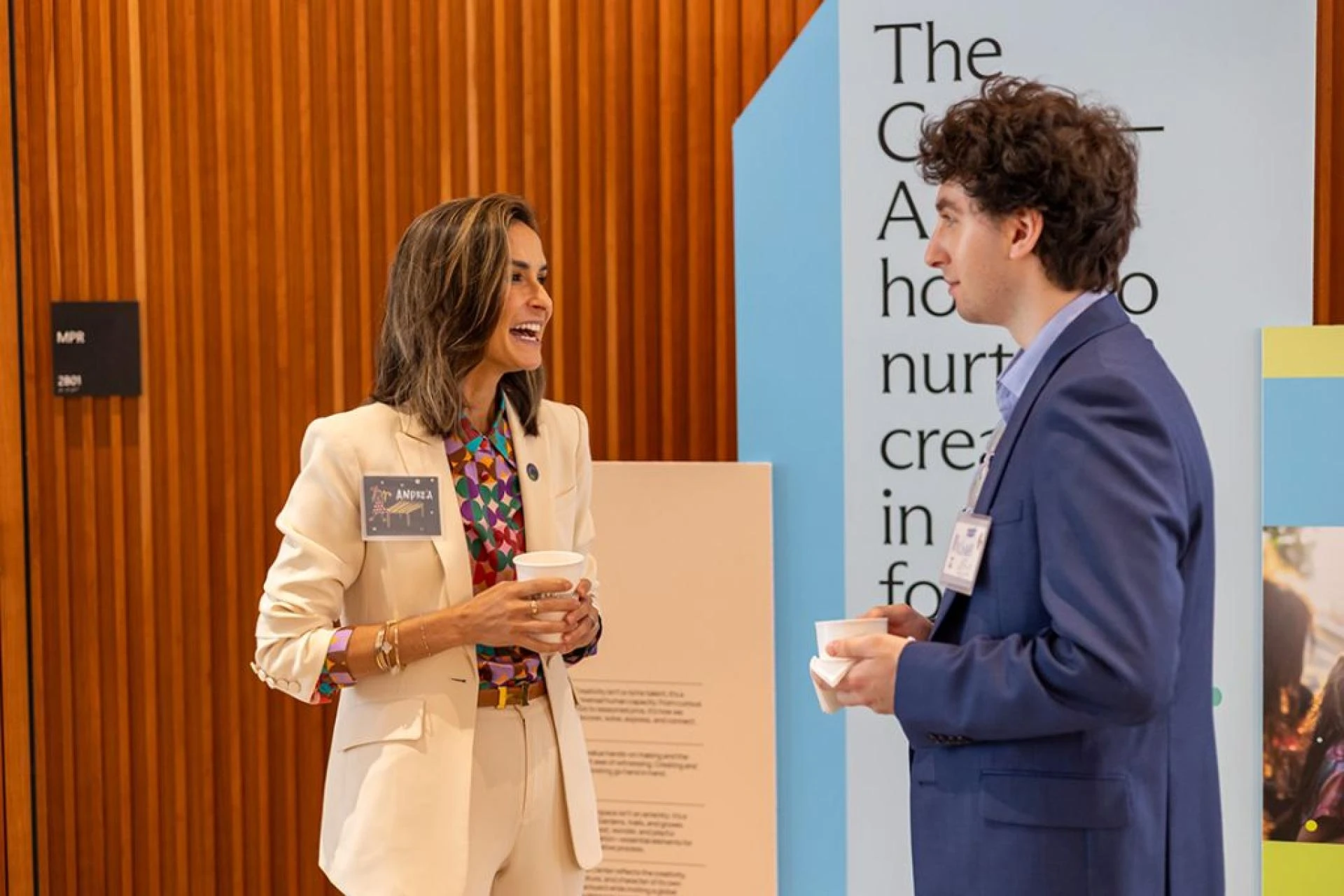
Organizations like The Center for Arts and Innovation champion this collaborative spirit by developing initiatives that merge creativity, education, and public engagement. Their work demonstrates how art can become a bridge between disciplines, connecting artists, innovators, and communities to imagine a more expressive and inclusive world.
By encouraging active participation in public art programs, centers like this one nurture a culture of collaboration that inspires future generations to think creatively and work together toward meaningful impact.
Conclusion: A Collective Canvas for the Future
Public art programs remind us that creativity flourishes best when shared. They turn ordinary spaces into platforms for storytelling, reflection, and unity. Through collaborative processes, these initiatives not only produce remarkable artworks but also strengthen the social bonds that hold communities together.
As cities and communities continue to evolve, fostering collaboration through art will remain essential, ensuring that public spaces are not just places we pass through, but places where creativity, connection, and collective expression truly come to life.























Sign in to leave a comment.