

Real estate investment has traditionally required substantial capital, extensive paperwork, and lengthy transaction processes. Blockchain technology is changing how property investments are structured by allowing businesses to represent real estate interests through digital tokens. This process, known as real estate tokenization, creates opportunities for fractional investment, programmable transactions, and more transparent asset management.
For property developers, investment firms, and technology businesses, understanding how real estate tokenization works is essential before implementing a blockchain-based investment model.
What Is Real Estate Tokenization?
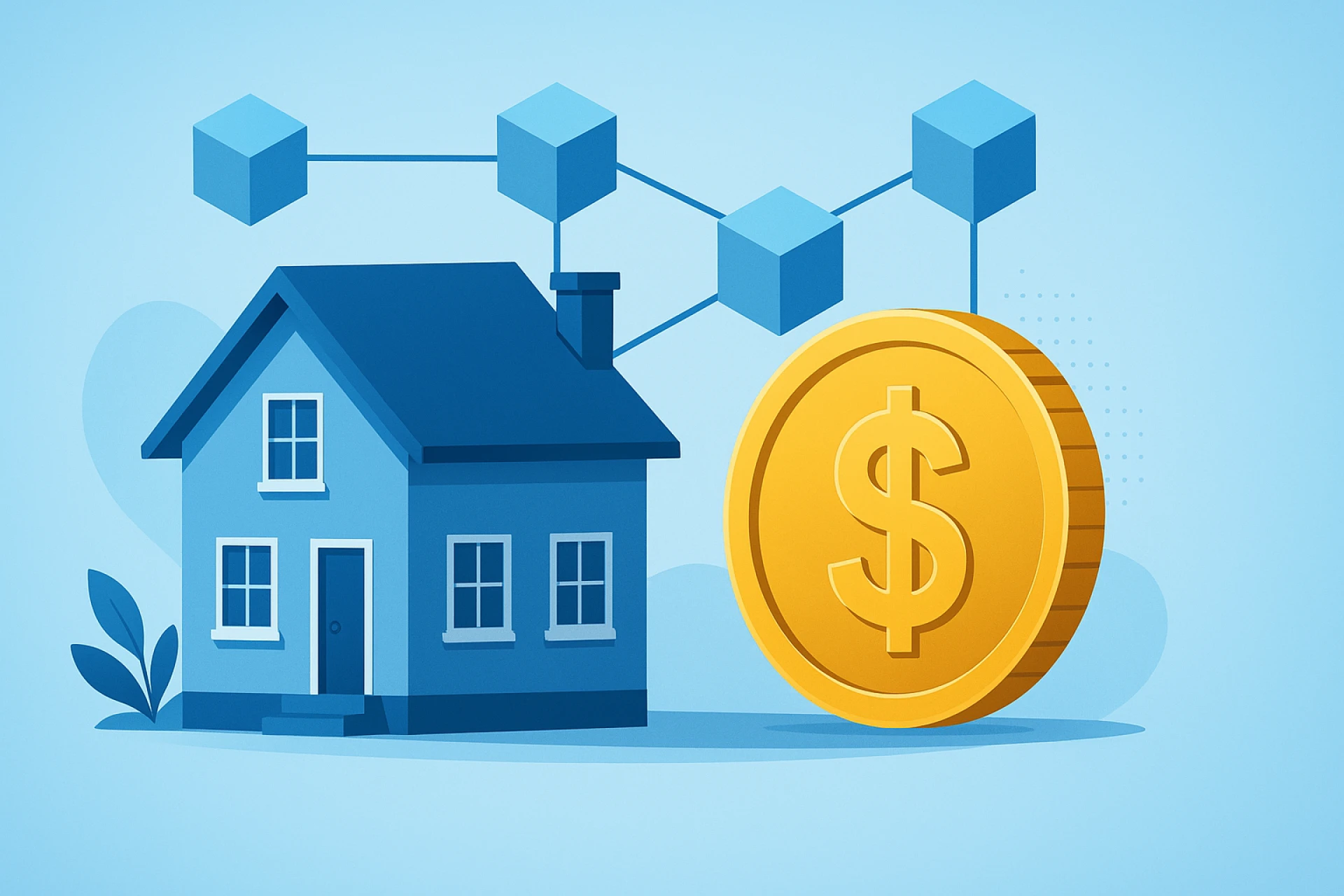
Real estate tokenization is the process of converting ownership interests or financial rights associated with physical properties into digital tokens recorded on a blockchain. Each token represents a predefined interest in a property, property-owning company, or investment structure.
For example, consider a commercial property valued at $5 million. Instead of requiring one investor to purchase the entire property, a legally structured investment arrangement could issue 50,000 tokens, each representing a defined interest worth $100.
Investors can purchase eligible tokens and receive the rights specified in the investment agreement, such as proportional rental income or exposure to property appreciation.
However, owning a token does not automatically mean owning part of the physical property. The legal structure determines the actual rights investors receive.
How Does Real Estate Tokenization Work? A Step-by-Step Process
Real estate tokenization combines property verification, legal structuring, blockchain development, investor onboarding, and ongoing asset management. Here is how businesses typically implement the process.
1. Select and Evaluate the Property
The first step involves identifying the property or real estate portfolio suitable for tokenization. Businesses can consider residential buildings, commercial properties, office spaces, or real estate investment portfolios.
Before proceeding, the property undergoes due diligence, including:
- Ownership and title verification.
- Independent property valuation.
- Existing mortgage and liability checks.
- Legal documentation and regulatory review.
- Assessment of potential rental income.
Accurate valuation is particularly important because it influences token pricing, issuance quantity, and investor expectations.
2. Establish the Legal Ownership Structure
Once the property is verified, the business establishes a legal framework connecting the physical asset with the digital tokens.
A commonly used approach involves creating a Special Purpose Vehicle (SPV). The SPV holds the property, while investors acquire legally defined interests in that entity through tokenized securities or other permitted arrangements.
For example, if an SPV owns a commercial building, tokens might represent shares in the SPV rather than direct ownership of the building.
Legal agreements must clearly establish investor rights, voting arrangements, rental income distribution, transfer restrictions, and exit conditions.
The applicable securities, property, and financial regulations must also be evaluated based on the jurisdictions involved.
3. Design the Tokenization Model
After establishing the legal structure, businesses determine how the investment will be represented digitally.
This involves defining:
- Total token supply and individual token value.
- Fractional investment structure.
- Investor ownership or economic rights.
- Token transfer restrictions.
- Distribution and redemption conditions.
Developers then select an appropriate blockchain and token standard.
For example, ERC-20 can support fungible investment tokens, while ERC-3643 offers permissioned transfer functionality for regulated tokenization use cases.
The selection should depend on the investment structure, compliance requirements, and platform architecture rather than popularity alone.
4. Develop and Audit Smart Contracts
Smart contracts are essential to real estate tokenization because they automate predefined investment rules and blockchain transactions.
A tokenization platform may include smart contracts responsible for:
- Creating and issuing property tokens.
- Managing token balances and ownership records.
- Verifying investor eligibility before transfers.
- Enforcing holding periods and transfer restrictions.
- Calculating and coordinating distributions.
- Supporting redemption and administrative operations.
For example, if an investor attempts to transfer tokens to an unverified wallet, the smart contract can reject the transaction based on the configured compliance rules.
Before deployment, contracts should undergo testing and independent security audits to identify vulnerabilities, access-control issues, and transaction errors.
5. Integrate KYC, AML, and Investor Verification
Real estate tokenization platforms must establish investor onboarding procedures before distributing investment tokens.
Know Your Customer (KYC) and Anti-Money Laundering (AML) processes help verify investor identities and determine whether they are eligible to participate.
A typical onboarding process includes:
- Investors register on the platform.
- They submit identity and verification documents.
- Compliance providers perform the required checks.
- Approved investors receive wallet permissions.
- The platform allows eligible investors to purchase tokens.
Sensitive identity documents should generally remain in secure off-chain systems rather than being stored directly on public blockchains.
6. Issue Tokens and Distribute Them to Investors
After completing legal, technical, and compliance requirements, the issuer deploys the token contracts and begins the investment offering.
Investors access the platform, review property information, complete onboarding, and purchase available tokens through supported payment methods.
The blockchain records token allocations and subsequent transfers, creating a traceable transaction history.
Businesses can also integrate digital wallets, payment gateways, and custody providers to support secure investment transactions.
7. Manage Investments and Secondary Market Transactions
Tokenization does not end after issuance. Businesses must continuously manage the underlying property and investor relationships.
A real estate tokenization platform can support:
- Rental income distribution.
- Property valuation updates.
- Investor reporting and notifications.
- Voting and corporate actions.
- Token transfers and permitted secondary trading.
- Redemption and exit management.
Secondary market trading may allow eligible investors to transfer their interests without selling the entire property. However, actual liquidity depends on market demand, regulatory permissions, and available trading infrastructure.
Dubai's real estate tokenization pilot illustrates this developing market. In February 2026, VARA confirmed that its initial phase had validated the core technology and regulatory framework, while the second phase continued controlled testing of additional functionality, including secondary-market mechanisms.
What Should Businesses Consider Before Implementing Real Estate Tokenization?
Building a successful platform requires more than deploying blockchain smart contracts. Businesses should prioritize:
- Legal enforceability: Ensure digital tokens represent clearly defined and legally recognized investment rights.
- Security: Implement audited smart contracts, secure wallet infrastructure, and appropriate key-management controls.
- Regulatory compliance: Evaluate securities regulations, investor eligibility, and licensing requirements in relevant jurisdictions.
- Data accuracy: Maintain reliable property valuations, ownership records, and financial information.
- Interoperability: Consider compatibility with payment systems, custody providers, and external financial infrastructure.
The IMF's October 2026 Global Financial Stability Report also identifies legal certainty, regulatory clarity, interoperability, and settlement infrastructure as important conditions for scaling tokenized markets.
For businesses evaluating implementation, working with an experienced asset tokenization development company can help connect legal requirements with blockchain architecture, smart contract engineering, investor applications, and compliance integrations.
Similarly, integrating cryptocurrency exchange software development capabilities can support trading infrastructure when a project intends to offer regulated secondary-market transactions.
Technology partners such as Debut Infotech can help businesses evaluate blockchain-based solutions and develop the software infrastructure required for digital asset platforms.
Conclusion
Real estate tokenization works by connecting legally structured property interests with blockchain-based digital tokens. The process involves property evaluation, legal structuring, token design, smart contract development, investor verification, issuance, and ongoing investment management.
For businesses, the real opportunity lies in building an integrated platform where legal rights, compliance procedures, blockchain transactions, and property administration work together. A carefully planned implementation can make real estate investment interests easier to manage, distribute, and transfer while maintaining the necessary legal and operational safeguards.



















Sign in to leave a comment.