
When a substance is sold as ketamine, its appearance alone cannot confirm what it contains. Different substances can look alike, making identification difficult without appropriate testing. A ketamine test kit may offer preliminary information, depending on its testing method, but its reliability depends on what it is designed to detect and how accurately its results can be interpreted.
What Determines the Reliability of Ketamine Testing?
Not all testing products work in the same way. Some use chemical reactions, while other approaches rely on instruments or laboratory analysis. Each method has different capabilities and limitations.
Before relying on a ketamine drug testing kit, it is important to check its intended use, the substances it can detect, and whether its performance has been independently evaluated. A product's label alone does not establish how accurately it identifies an unknown sample.
The UK government's review of ketamine highlights that identifying ketamine can present challenges and that testing methods vary in their capabilities. This reinforces the importance of understanding the specific technology behind a test rather than assuming every kit offers the same level of accuracy.
Can a Ketamine Test Kit Confirm Substance Identity?
A preliminary test may provide an indication about a targeted substance, but that does not always amount to definitive identification. Some testing methods cannot distinguish between compounds with similar reactions, and mixtures can make results harder to interpret.
For this reason, it is important not to assume that a particular result proves a sample contains ketamine. The meaning of a result depends on the test method and its validated detection capabilities.
Where precise identification matters, a suitable professional drug-checking service or laboratory analysis may offer more detailed information.
Does Testing Reveal Purity or Potency?
One common misunderstanding is that identifying a substance also reveals its purity. These are different questions. Identifying a compound concerns what may be present, while purity refers to the proportion of that compound in a sample.
Many preliminary tests cannot measure the amount of ketamine present or determine whether other ingredients are mixed in. A result that appears consistent with the expected substance does not establish that the sample is pure, accurately labelled, or free from contaminants.
Advanced analytical methods may provide more detailed information about a sample's composition. However, the results depend on the technique used and what the analysis is designed to measure.
What Can Affect a Test Result?
Several factors can influence how a test result should be interpreted. The testing method, sample composition, product instructions, and the presence of multiple substances may all affect the information obtained.
Interpretation is another important consideration. An unclear or unexpected result should not be forced into a definite conclusion. Equally, an expected result should not create a false sense of confidence.
Understanding these limitations is an essential part of drug-checking awareness. Testing can provide information, but it cannot eliminate every uncertainty associated with an unknown substance.
Choosing a Ketamine Testing Product Carefully
When researching a ketamine testing product, look for clear details about its intended purpose, detection capabilities, and limitations. Be cautious of claims that suggest a simple test can identify every possible ingredient or guarantee safety.
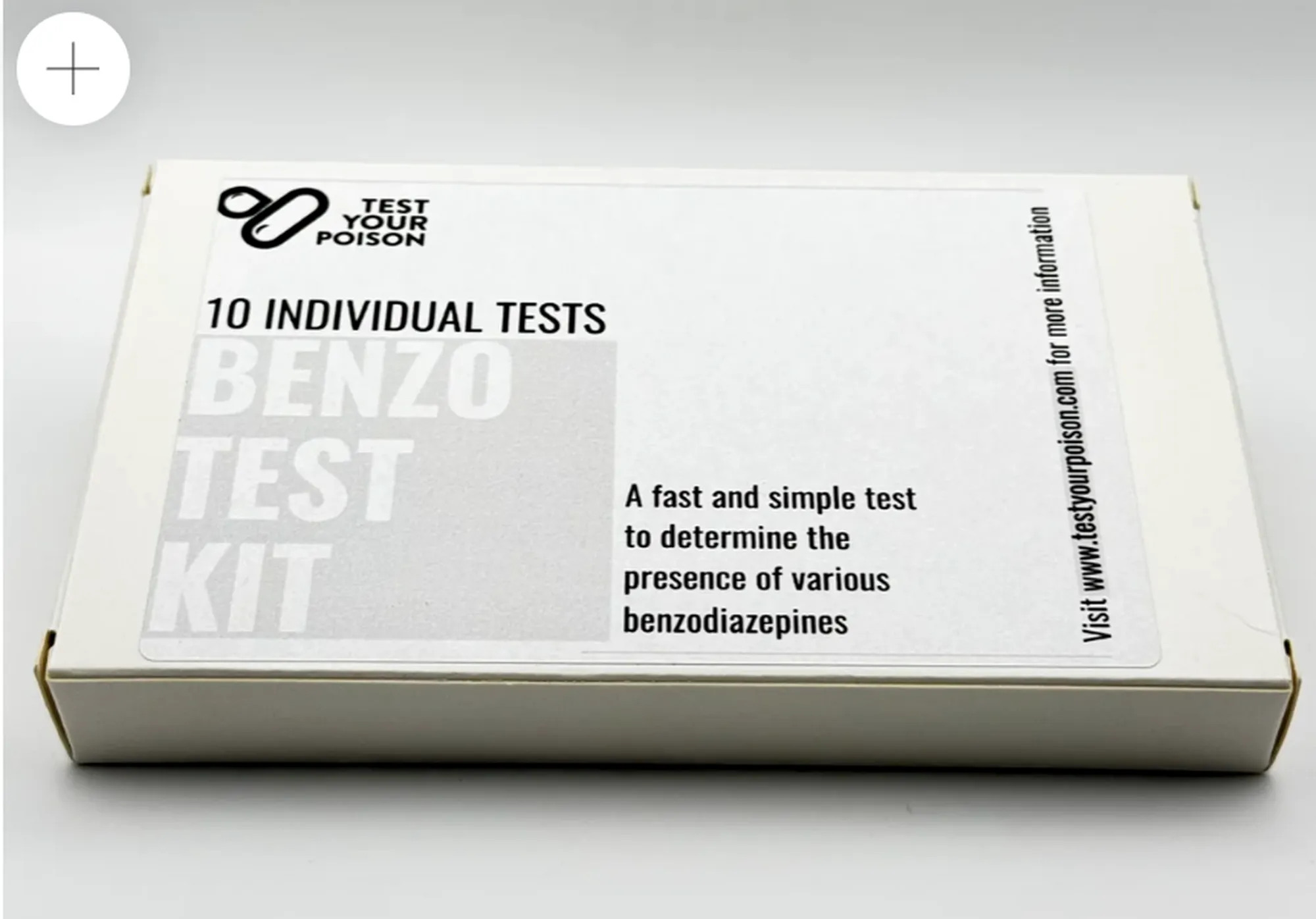
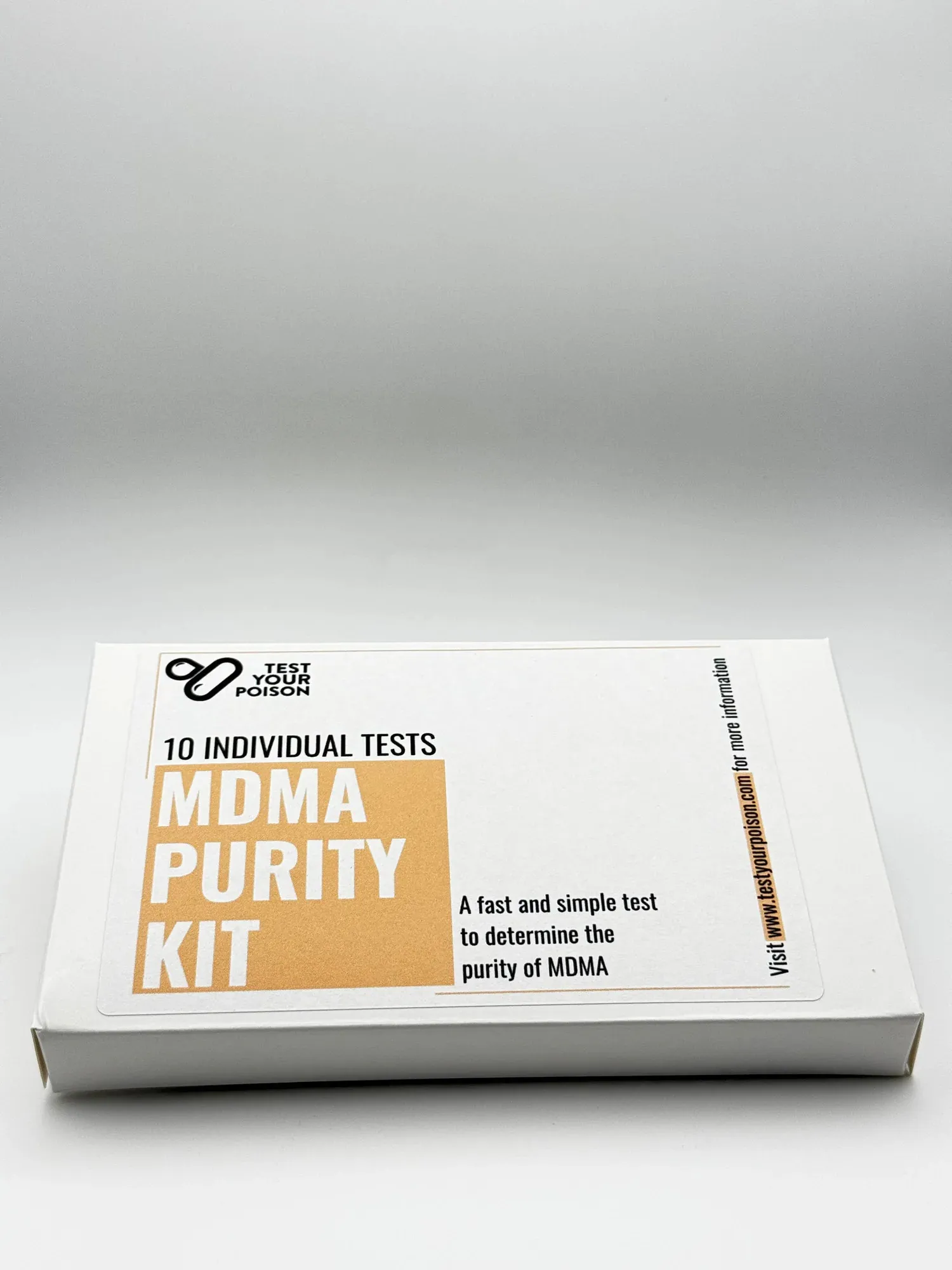
You can review the Test Your Poison Ketamine Test Kit page for product-specific information. Check the stated testing method and intended use before drawing conclusions about what a result can establish.
Drug checking is best understood as one source of information rather than a guarantee. When a result is uncertain or detailed identification is needed, seek an appropriate professional service or laboratory analysis.
Conclusion
The reliability of a ketamine test kit depends on its testing method, intended use, and ability to detect the substances being investigated. Preliminary results may offer limited information, but they cannot automatically confirm identity, purity, or safety. Understanding these limitations helps readers make more informed decisions about testing information. Test Your Poison supports drug-checking awareness by helping readers explore testing products and understand why careful interpretation matters.
Frequently Asked Questions
1. How accurate is a ketamine test kit?
Accuracy depends on the specific product and testing method. Check its validated capabilities and limitations rather than assuming all kits provide the same results.
2. Can a ketamine drug testing kit confirm purity?
Not necessarily. Many preliminary tests cannot measure purity or identify every substance present in a sample.
3. Can a test kit identify every substance mixed with ketamine?
No single preliminary test should be assumed to detect every possible ingredient. Additional analysis may be needed to understand a sample's composition.
4. Does a positive result mean a substance is safe?
No. A result does not establish purity, potency, or overall safety. Unexpected substances and other risks may remain undetected.


























Sign in to leave a comment.