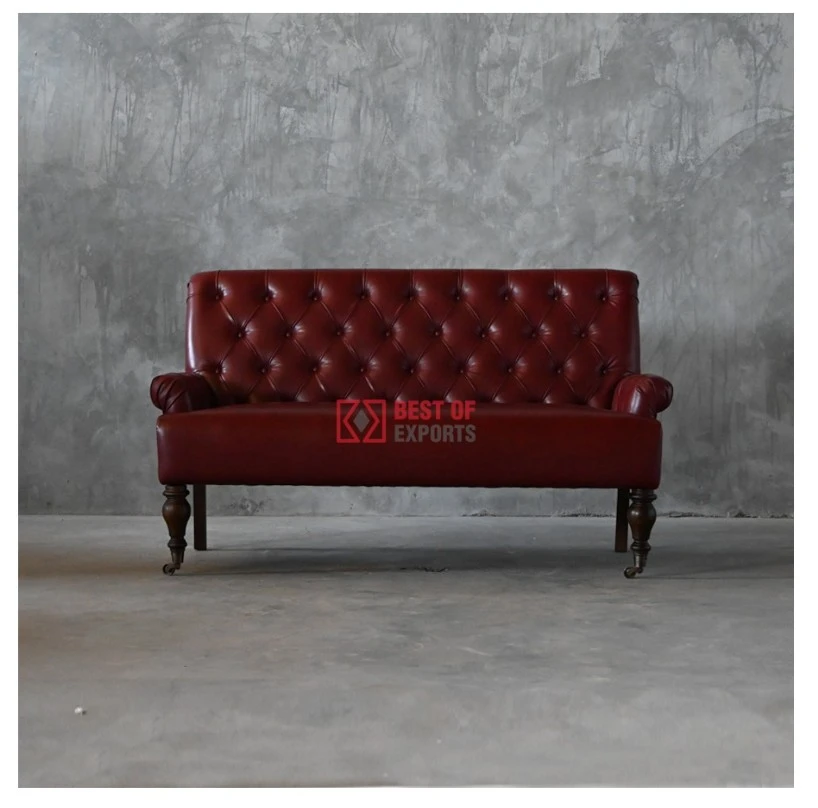

When guests walk into a restaurant, they notice more than just the aroma of freshly prepared dishes. The layout, lighting, décor, and especially the furniture immediately shape their first impression. Behind every comfortable chair, stylish booth, or durable table is the expertise of restaurant furniture manufacturers who play a crucial role in defining the customer dining experience.
From fast-casual cafés to luxury fine-dining establishments, furniture is more than a design element—it directly impacts comfort, mood, brand perception, and even how long customers stay. In this blog, we’ll explore how restaurant furniture manufacturers influence customer dining experiences and why choosing the right partner is essential for long-term success.
1. First Impressions Start with Furniture Design
The moment customers step inside, they subconsciously evaluate the space. Are the chairs inviting? Do the tables look sturdy? Is the layout spacious or cramped?
Restaurant furniture manufacturers understand the psychology of first impressions. They design furniture that aligns with a restaurant’s theme and target audience:
- Modern minimalist restaurants prefer sleek metal chairs and neutral tones.
- Rustic eateries lean toward wooden tables and vintage finishes.
- Luxury dining spaces often feature upholstered seating and premium materials.
When furniture matches the restaurant’s brand identity, it creates a cohesive environment that builds trust and anticipation before the first bite is served.
2. Comfort Directly Impacts Customer Satisfaction
Comfort is one of the most significant ways restaurant furniture manufacturers influence dining experiences. No matter how delicious the food is, uncomfortable seating can ruin a meal.
Manufacturers carefully consider:
- Ergonomic chair designs
- Proper seat height relative to table height
- Cushion density and back support
- Adequate spacing between tables
Well-designed furniture encourages guests to relax and enjoy their meals. In fine-dining establishments, comfortable seating encourages longer stays, higher spending on desserts and beverages, and repeat visits. On the other hand, quick-service restaurants may opt for slightly firmer seating to support faster table turnover.
The balance between comfort and business strategy often depends on the manufacturer’s expertise.
3. Enhancing Brand Identity Through Customization
One major advantage of working with experienced restaurant furniture manufacturers is customization. Furniture is a powerful branding tool.
Custom elements may include:
- Unique upholstery colors
- Branded patterns or logos
- Signature booth designs
- Distinctive table finishes
For example, globally recognized brands like Starbucks carefully design their seating layouts to create a cozy yet productive atmosphere. Similarly, McDonald's uses bright colors and structured seating to promote a lively and efficient dining environment.
Though these brands operate at a global scale, the same principles apply to independent restaurants. Thoughtfully designed furniture strengthens brand recognition and creates memorable experiences.
4. Optimizing Space and Layout Efficiency
Space planning is critical in restaurant operations. Furniture manufacturers collaborate with restaurant owners, architects, and interior designers to optimize layouts without compromising comfort.
Key considerations include:
- Maximizing seating capacity
- Ensuring smooth traffic flow for staff and guests
- Complying with safety and accessibility standards
- Maintaining privacy between tables
Custom booths, stackable chairs, and modular tables allow flexibility for events and group bookings. Efficient layouts not only enhance the guest experience but also improve operational efficiency for staff.
When furniture fits perfectly within the space, it reduces clutter and creates a welcoming, organized atmosphere.
5. Durability and Long-Term Value
Restaurant environments demand heavy-duty furniture. Chairs are used repeatedly throughout the day, tables endure spills, and bar stools face constant movement. Poor-quality furniture leads to frequent repairs, replacements, and negative customer impressions.
Professional restaurant furniture manufacturers prioritize:
- High-quality wood or metal frames
- Commercial-grade upholstery
- Scratch-resistant surfaces
- Easy-to-clean materials
Durable furniture maintains its appearance over time, preserving the restaurant’s image. Guests often associate well-maintained interiors with cleanliness and food quality.
Investing in quality manufacturing ultimately reduces long-term costs while maintaining a positive dining atmosphere.
6. Supporting Hygiene and Cleanliness Standards
In today’s dining landscape, cleanliness is more important than ever. Furniture manufacturers influence hygiene standards through smart material selection and design.
Features that enhance hygiene include:
- Non-porous surfaces
- Stain-resistant fabrics
- Seamless table edges
- Moisture-resistant finishes
Furniture that is easy to clean allows staff to maintain sanitation standards efficiently. Customers feel more confident dining in spaces that look spotless and well-kept.
Manufacturers who understand these needs help restaurants meet health regulations and customer expectations simultaneously.
7. Influencing Customer Behavior and Dining Duration
Interestingly, furniture design subtly shapes customer behavior. Seating arrangement, cushion firmness, and table spacing all impact how long customers stay.
For example:
- Cozy booths encourage intimate conversations and longer visits.
- Communal tables promote social interaction.
- Bar-height seating creates a casual, quick-stop vibe.
Manufacturers work strategically to match furniture style with business goals. A fine-dining restaurant may aim for extended dining experiences, while a fast-food outlet may focus on faster turnover.
Understanding this balance is where experienced manufacturers add tremendous value.
8. Creating Instagram-Worthy Interiors
In the age of social media, restaurant interiors play a significant marketing role. Customers often share photos of aesthetically pleasing spaces on platforms like Instagram.
Visually appealing furniture:
- Enhances ambiance
- Encourages photo opportunities
- Boosts organic online exposure
- Attracts younger demographics
Manufacturers who stay updated with design trends help restaurants remain relevant and competitive. Statement chairs, artistic tables, and creative layouts transform dining spaces into shareable destinations.
9. Sustainability and Eco-Friendly Choices
Modern consumers increasingly prefer environmentally responsible businesses. Many Restaurant Sofa manufacturers now prioritize sustainable materials and eco-friendly production methods.
Sustainable options may include:
- Reclaimed wood
- Recyclable metals
- Low-VOC finishes
- Ethically sourced materials
Eco-conscious furniture not only reduces environmental impact but also strengthens a restaurant’s brand image among environmentally aware customers.
10. Improving Accessibility and Inclusivity
Inclusive design is another area where manufacturers make a difference. Furniture must accommodate diverse customer needs, including:
- Wheelchair-accessible seating
- Adjustable table heights
- Comfortable options for elderly guests
- Safe, stable seating for children
When furniture is inclusive, restaurants become welcoming spaces for all guests. Manufacturers who understand accessibility standards help create equitable dining experiences.
11. Reducing Noise for a Better Atmosphere
Acoustics significantly affect dining comfort. Hard surfaces can create echo and noise, while upholstered seating and soft materials absorb sound.
Furniture manufacturers contribute to noise reduction by incorporating:
- Padded booths
- Fabric-covered panels
- Sound-absorbing materials
A quieter space enhances conversation and overall satisfaction, particularly in upscale dining environments.
Choosing the Right Restaurant Furniture Manufacturer
Given their influence, selecting the right Restaurant Chairs manufacturer is a strategic decision. Restaurant owners should evaluate:
- Experience in commercial hospitality projects
- Customization capabilities
- Material quality
- Compliance with industry standards
- After-sales support and warranty
A reliable manufacturer becomes a long-term partner, helping restaurants adapt to changing trends and business needs.
Conclusion
Restaurant furniture manufacturers play a far greater role in the dining industry than many realize. From shaping first impressions and ensuring comfort to supporting branding, hygiene, sustainability, and operational efficiency, their influence touches every aspect of the customer experience.
Furniture is not just functional—it is strategic. The right design encourages guests to stay longer, spend more, return frequently, and recommend the restaurant to others.
For restaurant owners looking to elevate their dining spaces, investing in high-quality, thoughtfully designed furniture is not an expense—it’s a powerful tool for success.























Sign in to leave a comment.