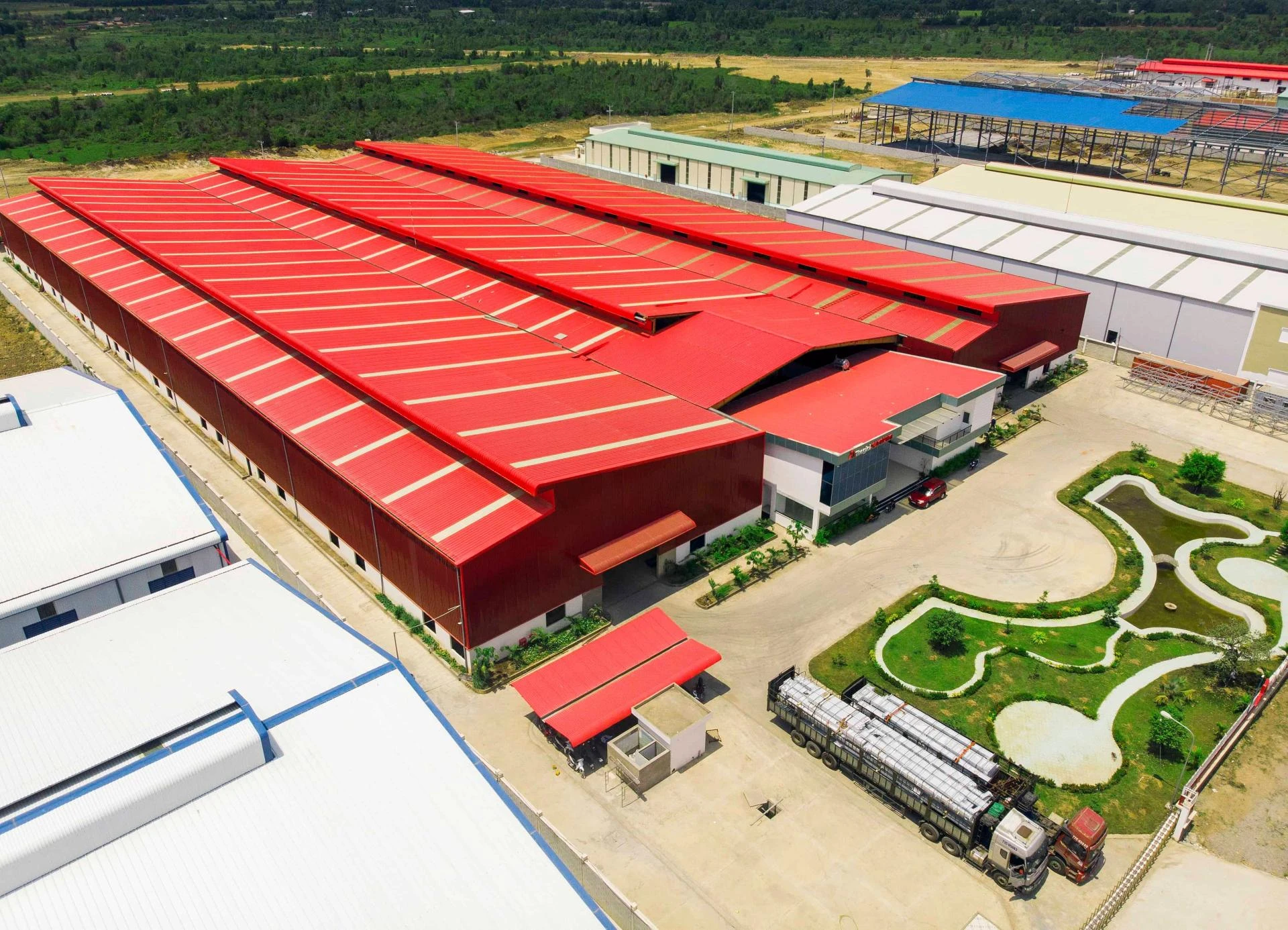

The erection of industrial and commercial sheds today is a lot more than that of steel frames. The accuracy of planning, coordination of stakeholders, and discipline in project execution are critical to the success of a modern pre-engineered building project. Most projects are not a failure owing to the quality of the materials but to improper decisions made at the initial stages. The insights on the role of experienced PEB suppliers at each step may allow project owners to avoid costly errors and achieve operational efficiency in the long run.
Role of Early Design Coordination in PEB Projects
Early-stage coordination is one of the least considered components of pre-engineered construction. Load calculations, wind zones, seismic factors, drainage slopes, and equipment layouts need to be completed before fabrication begins. When such factors are considered as an afterthought, they are costly and time-consuming to alter during the erection process. Established suppliers demand in-depth pre-design consultation. The strategy will guarantee that the building plan aligns with machinery location, expansion requirements, and workflow. Proper coordination at this level eliminates structural mismatches that are likely to come out in the course of installation.
Production Precision and Its Effect on On-Site Efficiency
The fabrication is also a strong point of PEB construction, and is controlled by factories; however, the accuracy is determined by the accuracy with which the drawings are converted into production. Mistakes in connection detailing, bolt positioning, or the size of members may delay on-site. Trusted manufacturers have a high-quality examination when they fabricate; components are therefore ready to assemble without any manual adjustments. This is crucial for large-span buildings, whose slight deviations can cause disruption in erection timetables and jeopardize safety.
Logistics Planning: A Success Factor That is Overlooked
The movement of steel parts is not only concerned with truck loadings. The efficiency of sites is important for route planning, packaging procedures, and unloading patterns. The lack of proper logistics planning may lead to the destruction of parts, the loss of members, or even the wastage of labour. Experienced suppliers will schedule dispatch according to the erection sequences to enable the site teams to work without congestion. This method of systematic delivery minimizes mistakes in handling materials and improves the pace of construction.
Erection Practices and Site Management Issues
Planning and reality are met on-site. Poor construction of the erection may cause alignment issues, structural stress, and safety risks. It should be installed using clear drawings of the erection, trained supervisors, and in the correct sequence. This helps in many projects where suppliers offer technical advice on-site at critical erection points. This assists contractors in reading through drawings properly and managing any unforeseen site conditions without jeopardizing the structural integrity.
Choice of Material Decides Long-Term Performance
Things like coatings, bolts, and joints all play a part in how long your steel structure will last. Rust protection that's not strong can cause corrosion to happen faster. Good suppliers will suggest the best coatings and parts based on your needs. Picking the right stuff keeps your building strong and looking good, so you don't have to pay for repairs later.
Made to Fit Operational Efficiency
Every factory is unique, so what it needs to run is also different. Warehouses, factories, and shipping centres all need different amounts of space, air, and light. The owners of these projects, in partnership with Shed Manufacturers, will have an opportunity to have the structural design customized to support their daily operations, including the ravel of the roof, skylight location, and arrangement of columns. Design-level customisation improves productivity and reduces the retrofit costs in the future.
Common Errors That Influence PEB Project Outcomes
Various issues arise in underperforming projects:
- Rushing with the design clearance without consulting the structural assumptions.
- Selection of suppliers based on price rather than technical capabilities.
- Assuming no future expansion or change of loads.
- Lack of coordination in civil and steel work.
- Poor inspection in the fabrication and erection.
To prevent such errors, it is necessary to make informed decisions and cooperate with professional experts.
Why Supplier Selection Determines the Project Lifecycle
The involvement of the PEB Suppliers does not just end with the delivery of steel. Their experience influences the accuracy of planning, speed of construction, safety, and long-term performance of the building. A well-coordinated supplier is more of a technical partner and not a mere vendor. The presence of suppliers at the initial phase and their continued involvement in the project execution minimizes project risks. Such a teamwork approach leads to forecasting timetables, affordable budgets, and stable structural functioning.
Final Thoughts
Planning, manufacturing, logistics, and execution of pre-engineered buildings are coordinated to make it a success. The choice of the appropriate partners will ensure that the structure works as expected, not only at the date of delivery but also during its lifecycle. Careful consideration of the choice of suppliers turns PEB projects from mere steel sheds into long-term performing assets.










Sign in to leave a comment.