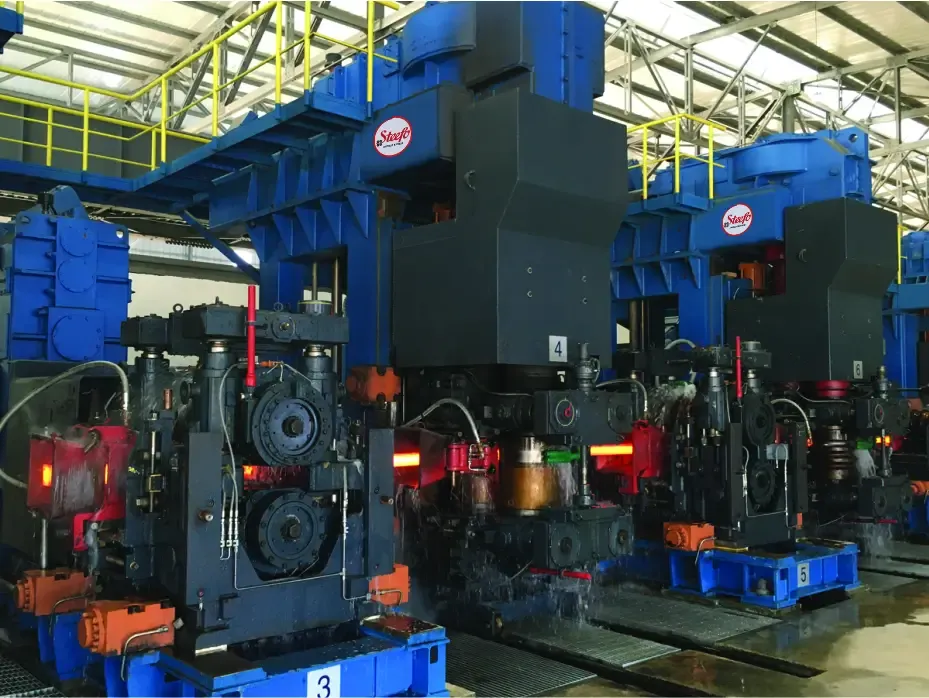

Steel rolling mills are not just pivotal to the manufacturing sector — they’re foundational to economic development at both local and global scales. From creating jobs and enabling infrastructure growth to influencing global commodity prices and supporting sustainability goals, rolling mills play a multifaceted role in shaping economies.
Local Economic Contributions of Steel Rolling Mills
At the local level, rolling mills are powerful economic engines. They generate direct employment for skilled and unskilled workers, including technicians, engineers, and machine operators. Additionally, they support indirect employment in logistics, maintenance, raw material supply, and waste management.
Local communities benefit through increased purchasing power and improved living standards. Governments also collect revenues through taxes, which can be reinvested in infrastructure, healthcare, and education, thereby reinforcing a virtuous cycle of economic upliftment.
Infrastructure Growth & Industrialisation
Steel is the backbone of infrastructure, and rolling mills are the key producers of steel sections, bars, beams, and sheets used in construction. Roads, bridges, railways, airports, power plants, and industrial facilities depend heavily on products from rolling mills.
By ensuring a reliable and localized supply of steel products, rolling mills reduce dependency on imports and accelerate the pace of industrialisation. This, in turn, creates fertile ground for economic diversification and long-term development.
Small & Medium Enterprises (SMEs) Growth
Rolling mills create an ecosystem where numerous SMEs can thrive. These include:
- Fabrication shops using rolled steel for manufacturing goods.
- Maintenance firms specializing in industrial machinery servicing.
- Transport and logistics providers handling steel distribution.
With the rising demand for custom steel products, SMEs are increasingly sourcing steel from local rolling mills, reducing lead times and improving production agility. The collaborative dynamics between rolling mills and SMEs strengthen the local supply chain and foster innovation.
Global Market Influence of Steel Rolling Mills
Steel rolling mills play a significant role in global trade. Countries with well-developed rolling mill infrastructure become key exporters of value-added steel products. This helps them reduce raw material exports (like iron ore) and instead export finished goods, which fetch higher prices and contribute more to GDP.
Emerging markets, in particular, benefit from this shift. By establishing modern rolling mills, they can integrate more competitively into global supply chains, especially in sectors like automotive, shipbuilding, construction, and energy.
Price Fluctuations & Economic Stability
The global price of steel has a direct correlation with the output and efficiency of rolling mills. Overproduction, capacity underutilization, and supply-demand mismatches can lead to volatile steel prices, which then impact other industries such as housing, manufacturing, and transportation.
Efficiently run rolling mills help stabilize prices through consistent production and supply. They also respond faster to market demands, helping governments and businesses plan better and avoid economic disruptions.
Technological Advancements & Sustainability
Modern rolling mills are adopting advanced technologies like automation, AI-based process control, and real-time monitoring systems. These improvements not only boost productivity but also lower energy consumption and raw material waste.
Sustainable manufacturing practices — such as using electric arc furnaces, recycling scrap steel, and recovering heat energy — are becoming standard across leading rolling mills. These innovations contribute to circular economy goals and help countries meet environmental regulations without sacrificing industrial growth.
Steel Rolling Mills: Challenges & Opportunities
Despite their economic benefits, rolling mills face several challenges:
- Energy Costs: High electricity consumption impacts profitability.
- Raw Material Supply: Availability and pricing of iron ore and scrap steel affect operations.
- Labour Skill Gaps: Lack of trained workforce in certain regions hampers productivity.
- Environmental Regulations: Compliance can be costly but is unavoidable.
However, these challenges are also opportunities in disguise. Technological upgrades, training programs, and strategic collaborations can transform limitations into competitive advantages.
Green Steel & Carbon Emission Reduction
Green steel — produced using low or zero carbon processes — is gaining traction globally. Rolling mills that integrate renewable energy, hydrogen-based reduction, and carbon capture systems are setting the benchmark for sustainable production.
These advancements not only help mitigate climate change but also enhance brand reputation and attract ESG (Environmental, Social, Governance) investments. Governments are also offering incentives to steelmakers adopting green practices, adding further economic value.
Investment & Expansion Strategies
Rolling mills are increasingly exploring vertical integration, where they manage everything from raw material procurement to finished product delivery. This streamlines operations and enhances profitability.
Geographic expansion into emerging markets is another trend. Strategic investments in Southeast Asia, Africa, and Latin America are allowing steel producers to tap into high-growth regions while also uplifting local economies.
Joint ventures, public-private partnerships, and technology collaborations are also being used to boost production capacity and resilience in the face of supply chain disruptions.
Partner with The Steefo Group for Stronger and Sustainable Steel Rolling Mills
With decades of expertise in the design, manufacturing, and commissioning of rolling mills, The Steefo Group has been a trusted partner in driving steel industry growth across multiple continents. Our commitment to innovation, efficiency, and sustainability ensures that your rolling mill project not only contributes to economic development but also aligns with future-ready practices.
Conclusion
From empowering local communities to shaping international trade, rolling mills are central to economic progress. Their role goes beyond steel production — they stimulate industrial growth, support SMEs, stabilize markets, and drive sustainable development. With the right technology, investment, and partnerships, rolling mills will continue to influence economies positively, both today and in the future.

























Sign in to leave a comment.