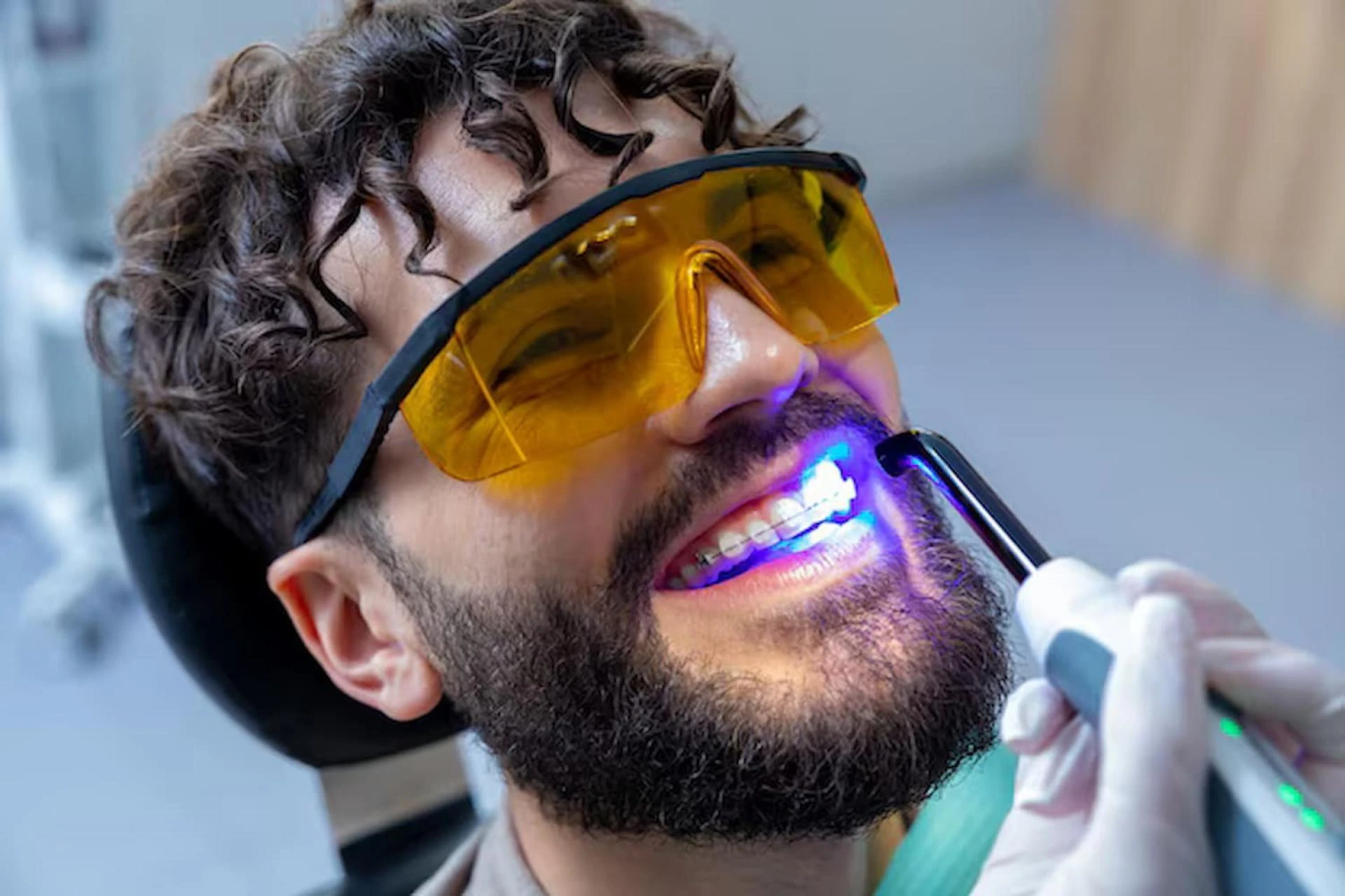

Achieving a brighter smile has become increasingly popular, and teeth whitening treatment is one of the most sought-after cosmetic dental procedures. While the procedure is generally safe, understanding the potential risks, precautions, and best practices is essential for anyone considering it. Safety depends on factors such as the concentration of the whitening agent, the method of application, and the individual’s oral health. Being informed ensures that patients can enjoy a whiter smile without compromising their dental well-being.
Understanding Teeth Whitening
Before evaluating safety, it is important to understand how teeth whitening works and what it involves.
Mechanism of Whitening Agents
Whitening treatments primarily use peroxide-based agents that penetrate the enamel to break down stains. These chemicals lighten intrinsic and extrinsic discoloration over time. Proper professional application ensures that the active agents target tooth stains without damaging surrounding gum tissue or enamel.
Types of Whitening Procedures
There are two main approaches to whitening: in-office treatments and at-home options. In-office procedures use higher concentrations of bleaching agents under professional supervision for faster results. At-home treatments, provided by dental professionals, employ lower concentrations for gradual whitening. Choosing the right approach affects both safety and effectiveness.
Expected Outcomes
Results vary based on the initial color of teeth, the type of staining, and the chosen treatment. Realistic expectations are essential to prevent unnecessary repetition of treatment or overuse of whitening agents, which could harm enamel or increase sensitivity.
Safety Considerations
Proper precautions and awareness of potential risks contribute to the safety of teeth whitening treatment.
Tooth Sensitivity
Temporary tooth sensitivity is the most common side effect of whitening. It typically occurs when peroxide penetrates the enamel and irritates the nerves within the teeth. Sensitivity is usually short-term and can be managed with desensitizing toothpaste, shorter application times, or professional guidance.
Gum Irritation
Improper application of bleaching agents can cause gum irritation, redness, or minor discomfort. Professional supervision ensures the gel is applied evenly, avoiding contact with soft tissues. Using custom trays for at-home treatments also minimizes exposure to the gums.
Enamel Safety
High-concentration whitening products used improperly can weaken enamel or lead to surface roughness. Professional guidance and adherence to instructions ensure enamel remains intact, maintaining tooth strength while achieving whitening results.
Preparing for Whitening Treatment
Preparation is key to maximizing safety and effectiveness.
Dental Examination
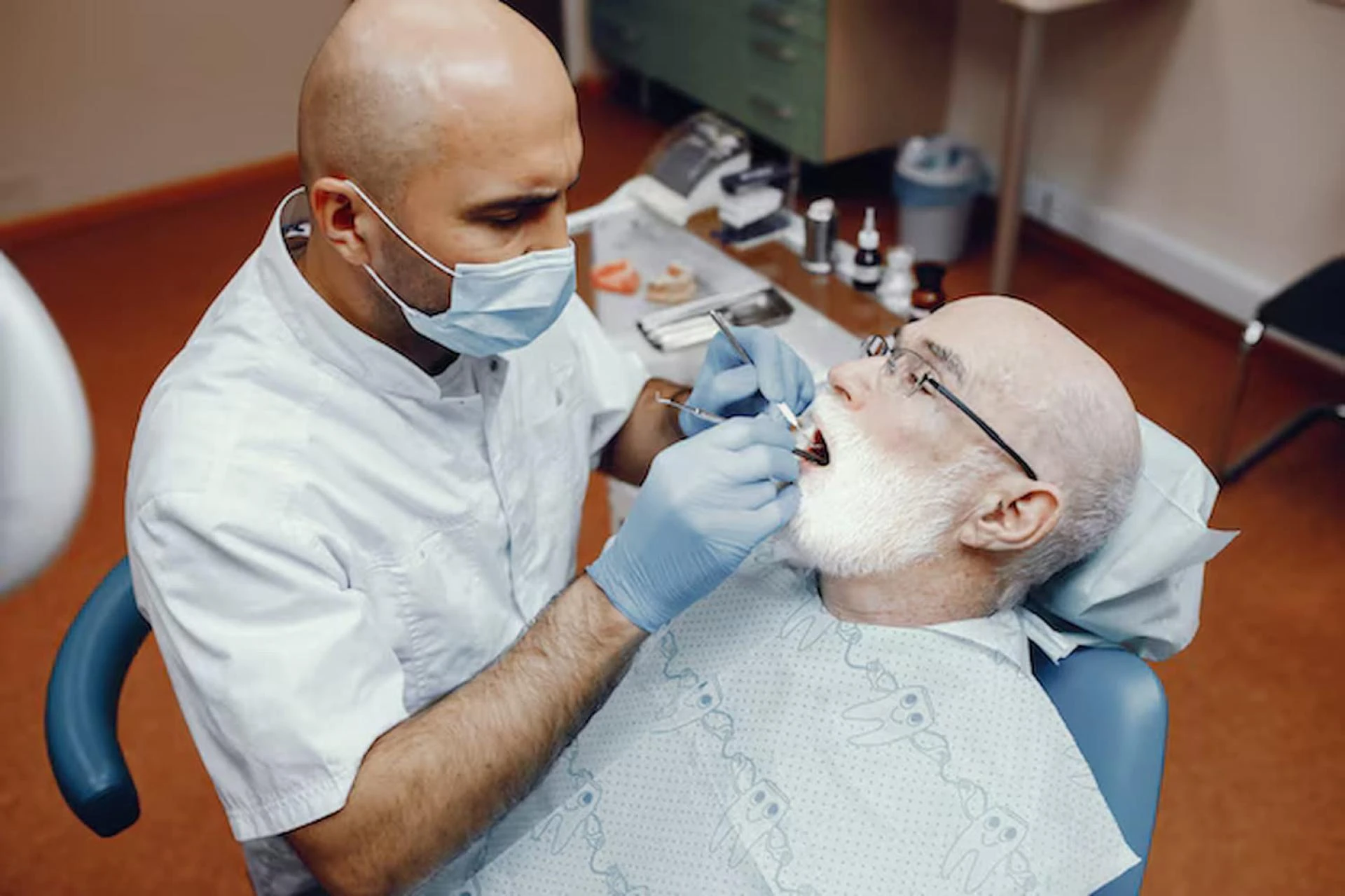
A pre-treatment dental examination helps identify cavities, gum disease, or enamel erosion. Addressing these issues before whitening prevents complications and ensures that the procedure is safe. Untreated dental problems could worsen during whitening, increasing discomfort and reducing effectiveness.
Professional Cleaning
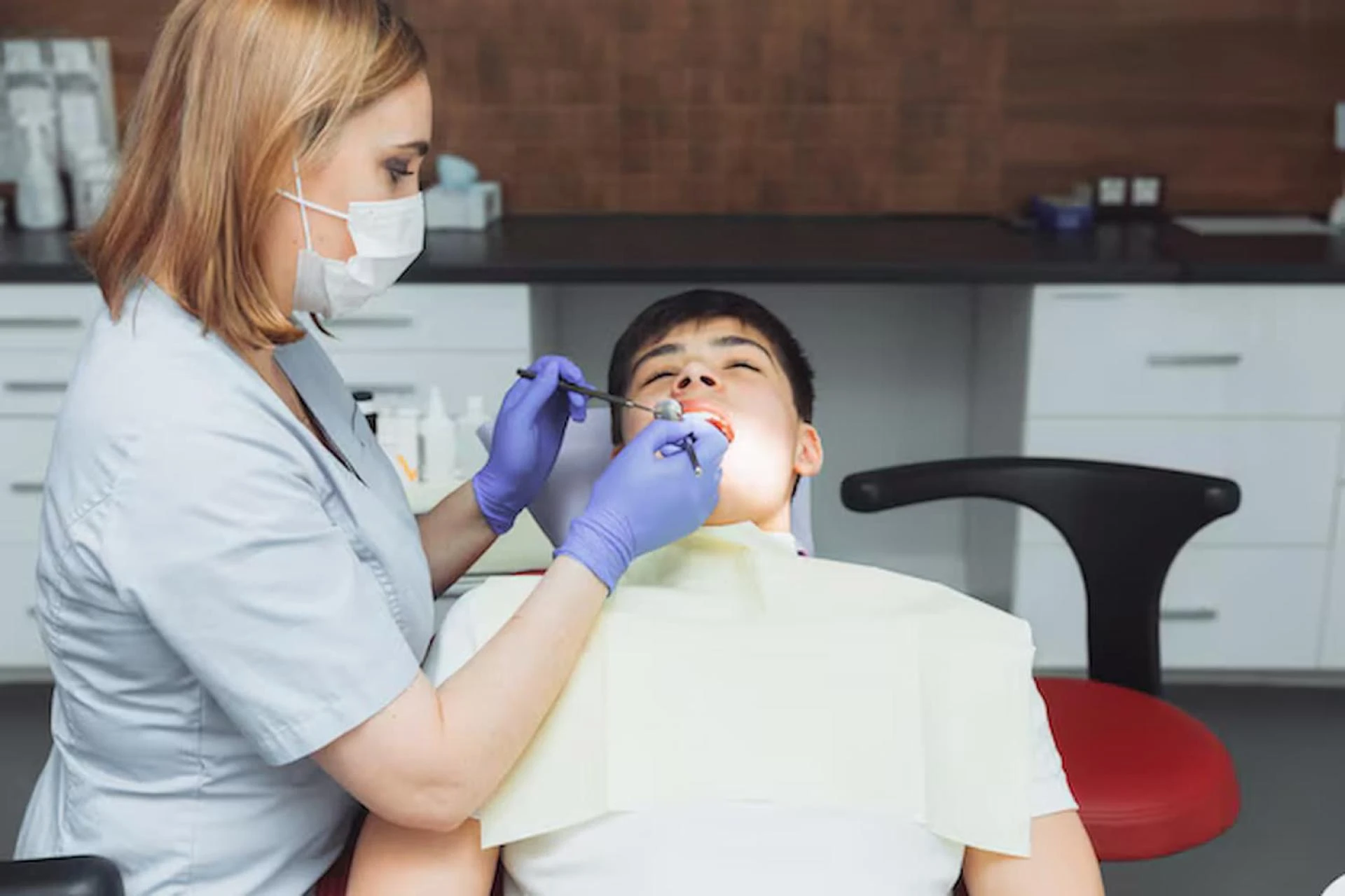
A thorough dental cleaning removes plaque, tartar, and surface stains. Clean teeth allow the whitening agent to work more efficiently and uniformly, enhancing results while reducing the risk of uneven whitening or sensitivity.
Lifestyle Considerations
Patients are advised to avoid staining foods and beverages, such as coffee, tea, and red wine, prior to treatment. Smoking should also be minimized to prevent additional discoloration and maintain long-lasting results.
Professional vs. Over-the-Counter Treatments
The method of whitening significantly influences both safety and results.
In-Office Whitening
Professional in-office whitening uses high-concentration gels applied by trained dental professionals. The procedure is quick, controlled, and generally produces immediate results while minimizing risks. Continuous monitoring ensures patient comfort and safety throughout the process.
At-Home Professional Kits
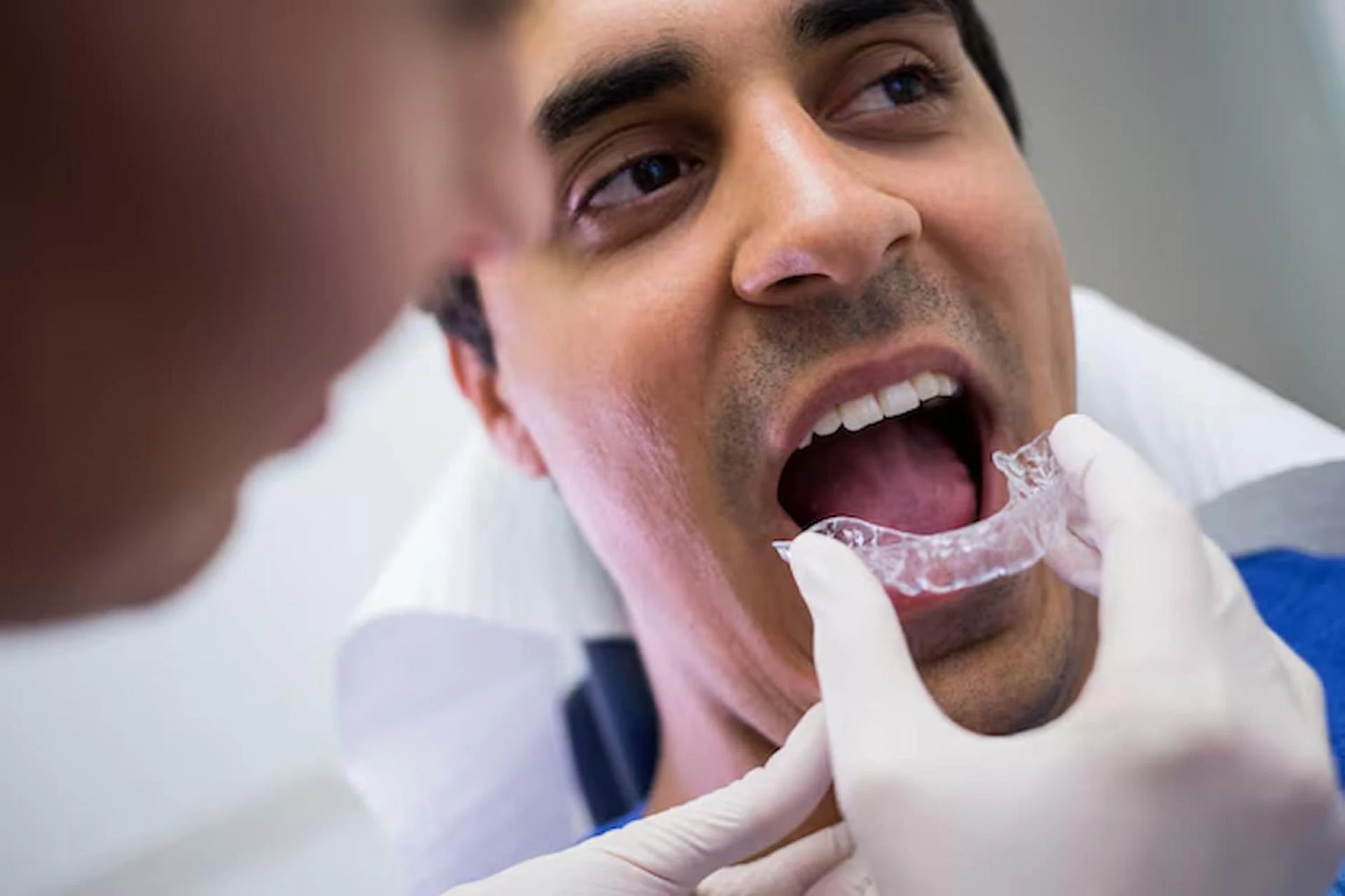
At-home kits provided by dental professionals use lower-concentration gels and custom trays. Patients must follow instructions carefully to achieve gradual whitening safely. Regular check-ins with a dental professional ensure proper progress and prevent overuse or irritation.
Over-the-Counter Products
OTC whitening products are widely available but may pose higher risks if used improperly. Products with unclear instructions or high peroxide content can cause gum irritation, sensitivity, or uneven results. Professional supervision is recommended to avoid these risks.
Managing Side Effects
Understanding and managing common side effects ensures a safer whitening experience.
Reducing Sensitivity
Tooth sensitivity can be managed using desensitizing toothpaste, applying fluoride treatments, and limiting acidic foods. Shorter application times or alternate-day use of whitening agents may also help.
Preventing Gum Irritation
Avoiding direct contact between whitening gel and gums reduces irritation. Custom trays and professional application protect soft tissues and enhance comfort during treatment.
Post-Treatment Care
After whitening, patients should maintain excellent oral hygiene, avoid staining foods and beverages, and consider occasional touch-ups as recommended by dental professionals. Proper care ensures lasting results and minimizes potential complications.
Long-Term Safety
Regular dental check-ups and professional guidance help maintain the safety and effectiveness of whitening treatments.
Monitoring Oral Health
Dental professionals can monitor enamel integrity, tooth sensitivity, and gum health during follow-ups. Early detection of issues allows for safe adjustments to treatment.
Sustainable Results
Combining teeth whitening treatment with proper oral hygiene and lifestyle modifications ensures long-lasting results without compromising dental health. Patients benefit from both aesthetic improvement and oral wellness.
Conclusion
When performed under professional supervision, teeth whitening treatment is a safe and effective way to enhance the appearance of a smile. Proper preparation, professional guidance, and attention to oral health minimize risks such as sensitivity, gum irritation, and enamel damage. Clove Dental sherman oaks emphasizes patient education, careful assessment, and personalized care to provide safe, high-quality whitening treatments that deliver bright, lasting results while prioritizing overall dental health.
Sign in to leave a comment.