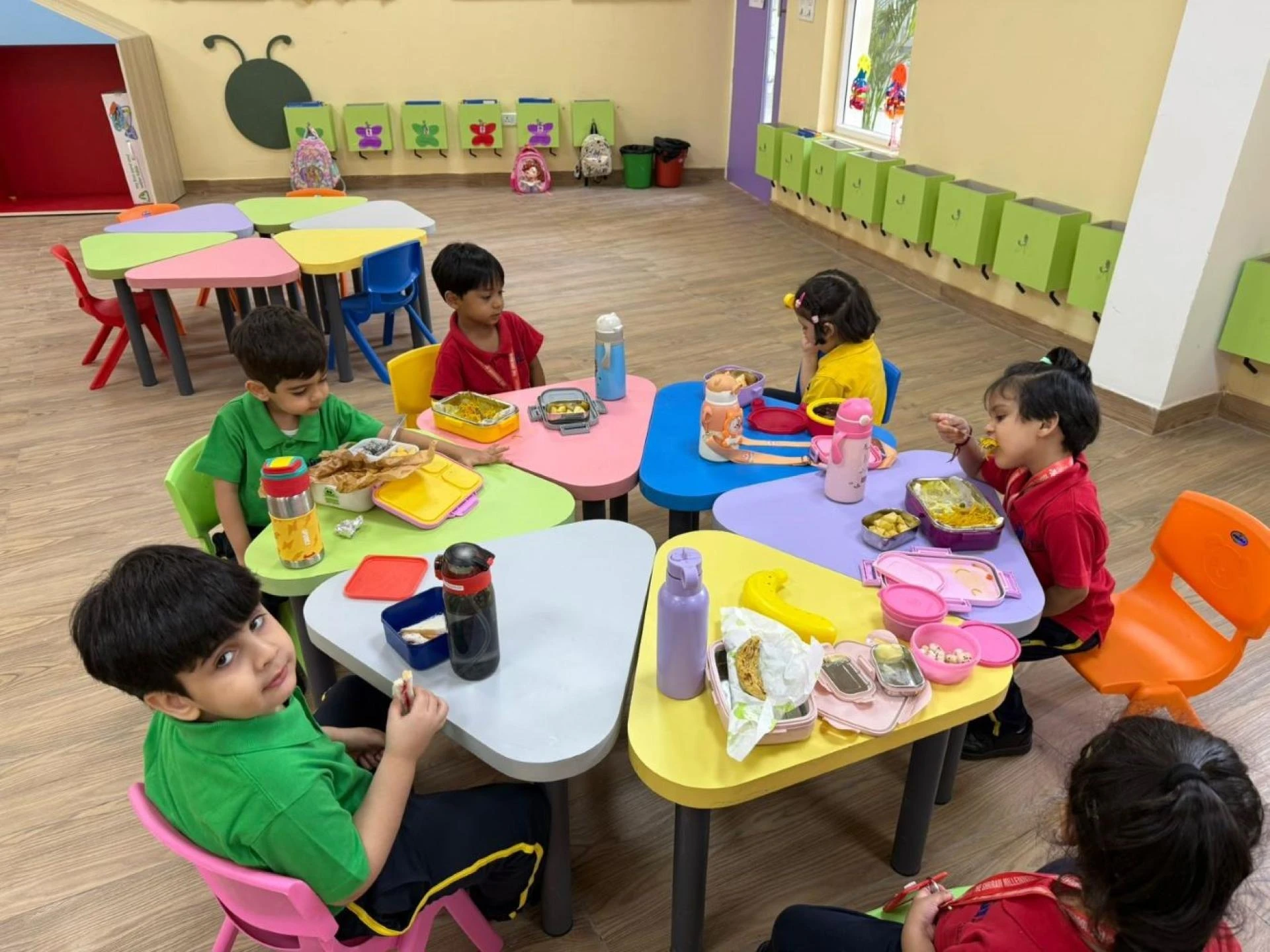

Across urban India, school selection patterns are changing fast. Recent enrolment data shared during parent forums shows a steady rise in interest for international board schools in Noida, especially among families with children in early and middle years. Parents are no longer asking only about results. They want to know how schools shape thinking habits over time. This shift matters because learning attitudes formed between the ages of eight and fourteen often stay for life. In many IB board schools in Noida, culture inside the classroom is now seen as important as curriculum documents, and rightly so.
What Do Parents Mean When They Ask About School Culture?
School culture is a simple idea often understood. It means how learning feels on an ordinary day. It shows how teachers respond to questions, how mistakes are handled, and how students speak to one another.
From years of parent conversations, three elements stand out clearly.
- Whether students feel safe asking questions without being judged or rushed.
- Whether effort is valued along with outcomes such as grades or ranks.
- Whether classrooms allow discussion or only reward quiet completion of tasks.
A child who grows up in a respectful learning space learns to enjoy effort. A child who studies only to avoid mistakes learns to fear learning itself. These patterns begin early and deepen with time.
How Does Daily Classroom Experience Influence Lifelong Learning?
Lifelong learning does not begin with career choices. It begins with how a child reacts to a new idea in school. Does the child lean forward with interest or withdraw in silence?
In many international board schools in Noida, daily lessons include discussion, group work, and reflection. Reflection means thinking about what went well and what could improve, explained in clear and simple language. This practice teaches children that learning is a process, not a performance.
Three classroom habits shape long term attitudes.
- Open tasks where more than one answer is possible, encouraging thinking instead of memorising.
- Group assignments where students learn to listen, explain, and adjust their views.
- Regular feedback that guides improvement instead of labelling ability.
A student who learns this way becomes comfortable with change. This comfort later supports college learning, workplace training, and even personal growth.
Does The Education Board Matter More Than The Culture?
Parents often compare boards before comparing classrooms. This is understandable, but incomplete. The same board can feel very different across schools.
A clear comparison helps bring clarity.
| Aspect | Rigid Learning Culture | Learning-Focused Culture |
| Role of teacher | Instructor and evaluator | Guide and mentor |
| Student response | Fear of errors | Comfort with questions |
| View of learning | Completion of syllabus | Growth through understanding |
| Long term impact | Short term performance | Sustained curiosity |
The IB framework supports learning-focused culture, but only when schools implement it thoughtfully. This is why parents exploring IB board schools in Noida often observe classes rather than rely only on brochures.
Where Does TSMS International Junior School, Noida Stand In This Conversation?
At TSMS International Junior School, Noida, learning culture is discussed in everyday terms. Teachers talk about how students respond during projects, not only how they score in tests. Students are encouraged to explain their thinking, even when answers are incomplete.
Group activities are structured carefully so that quiet students are not overshadowed. Reflection sessions help students understand their own learning habits. Over time, this builds confidence without pressure.
Parents often notice small but meaningful changes. Children speak more openly about school experiences. Homework becomes purposeful rather than hurried. These signals matter more than any single result.
This grounded approach aligns naturally with what families seek from international board schools in Noida, where learning is expected to prepare students for changing careers and uncertain futures.
How Does This Shape Career Readiness In Real Terms?
Modern careers demand constant learning. Technology changes roles quickly. Teams work across cultures and time zones. Students who enjoy learning adapt faster.
A student who has handled group deadlines in school manages internships better. A student who has presented ideas confidently handles interviews with ease. These are not distant outcomes. They are visible during college projects and early job roles.
A learning attitude, shaped quietly by school culture, becomes a lifelong asset.
A Practical Step For Parents Exploring Schools
Parents considering IB board schools in Noida may benefit from observing how classrooms function on a regular day. Asking how teachers respond to mistakes and questions often reveals more than academic statistics.
Frequently Asked Questions
What is school culture in simple terms?
It is how learning feels every day, including how teachers teach and how students interact.
Does the IB board encourage lifelong learning?
Yes. When applied thoughtfully, the IB approach supports curiosity, reflection, and understanding.
Can school culture affect career readiness?
Yes. Comfort with learning and collaboration supports success in higher education and work life.
How can parents judge learning culture during school visits?
By observing student participation, teacher responses, and classroom discussions during normal lessons.


























Sign in to leave a comment.