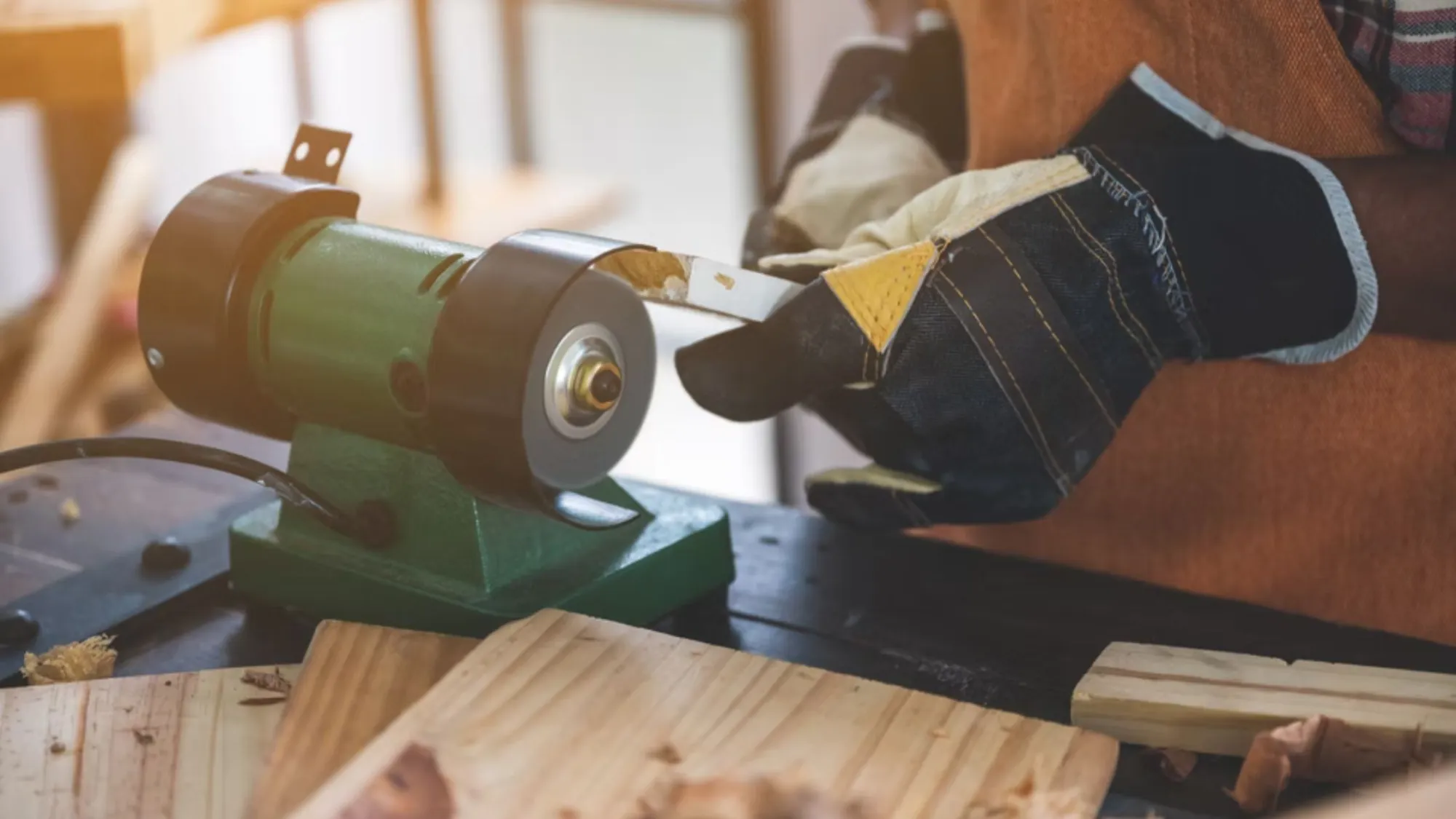

When a carving knife struggles through wood or hedge trimmers leave uneven cuts behind, many people assume the tool has reached the end of its useful life and needs to be replaced. While that reaction is understandable, experienced craftspeople, landscapers, and hobbyists often see the situation differently. In many cases, declining performance has less to do with the quality of the tool itself and more to do with the condition of its cutting edge.
That is why services related to sharpening carving knives and sharpening hedge trimmers continue to play an important role for people who rely on precision, efficiency, and consistent results. A properly sharpened edge does far more than improve cutting performance. It can restore confidence, reduce effort, and completely change the experience of using a familiar tool.
Why Do We Notice a Dull Tool So Late?
Most cutting tools do not become dull all at once. Instead, the decline happens gradually, making it easy to overlook until performance problems become impossible to ignore.
A carving knife may begin requiring slightly more pressure to achieve the same result, while hedge trimmers may start leaving rough or uneven cuts on shrubs and hedges. Tasks that once felt simple begin taking longer, and the work often feels more demanding than it should.
Because these changes occur slowly, many users adapt without realizing what is happening. They compensate by applying more force, adjusting their technique, or simply accepting lower-quality results instead of identifying the real source of the problem.
Over time, this gradual decline creates hidden costs. Routine tasks consume more time, greater physical effort becomes necessary, and maintaining precision becomes increasingly difficult. By the time many people recognize the issue, they have already spent weeks or even months working with tools that are performing well below their potential.
What Happens When the Edge Is Restored?
For many users, the difference is noticeable almost immediately. A sharpened carving knife moves through material with greater control and accuracy, allowing fine details to emerge more naturally. Instead of struggling with resistance, the user can focus on creativity, craftsmanship, and the quality of the finished piece.
The same principle applies to hedge trimmers. When the blades are properly sharpened, they create cleaner cuts, place less strain on the equipment, and help produce a more polished appearance across hedges and shrubs. The work becomes smoother, faster, and more consistent.
Many people describe the experience as though they are using a completely different tool. In reality, the tool was capable of delivering that performance all along. It simply needed the maintenance required to restore its original effectiveness.
What Makes Carving Knives Different From Other Cutting Tools?
Carving knives require a level of precision that few other cutting tools demand. Whether someone is shaping wood, creating decorative details, or working on artistic projects, even minor imperfections along the edge can affect the final outcome. A dull carving knife often tears fibers instead of slicing through them cleanly, which can create rough surfaces and reduce control during detailed work.
Professionals who specialize in sharpening carving knives understand that restoring sharpness involves much more than simply creating a sharper edge. The process requires preserving the knife's intended cutting characteristics so that it performs as designed.
Factors such as edge angle, blade geometry, and surface finish all influence how the knife behaves during use. Careful attention to these details helps maintain accuracy, consistency, and control, which are essential qualities for anyone engaged in carving work.
Why Does Sharpness Matter So Much for Hedge Trimmers?
Many homeowners focus on the appearance of their landscape without considering the condition of the equipment used to maintain it. However, the quality of the cut often depends directly on the sharpness of the blades.
Sharp hedge trimmer blades create cleaner cuts that can support healthier plant growth and contribute to a more polished appearance. Dull blades, on the other hand, tend to tear branches rather than cut them cleanly, leaving rough edges that can stress plants and diminish the overall look of the landscape.
Professional landscapers understand this relationship well because equipment maintenance plays a critical role in delivering consistent results. For that reason, sharpening hedge trimmers is often viewed as routine maintenance rather than an occasional repair.
The objective is not simply to improve cutting performance. It is also to protect the quality of the finished work and help ensure that landscapes look their best throughout the growing season.
What Does Tool Maintenance Say About Craftsmanship?
Well-maintained tools often reveal something meaningful about the people who use them. They reflect preparation, attention to detail, and a commitment to producing quality work. Whether someone is carving intricate designs, maintaining a landscape, or completing everyday projects around the home, the condition of the tool directly influences the quality of the outcome.
Experienced professionals understand that success often depends on small habits practiced consistently over time. Tool maintenance is one of those habits because it supports efficiency, accuracy, and reliability across every task.
Although it rarely attracts attention on its own, proper maintenance influences nearly every result and often separates average work from exceptional work.
Looking at Tools Through a Different Lens
Perhaps the value of a tool should not be measured by how long it sits untouched in storage. Instead, it should be measured by how effectively it continues to perform throughout its life and how well it supports the work it was designed to do.
For those interested in sharpening carving knives or sharpening hedge trimmers, professional sharpening offers a practical way to restore performance, improve efficiency, and extend the life of valuable equipment. Companies such as Cutting Edge Sharpening, LLC support this maintenance-focused approach by helping customers keep their tools operating as intended. In many cases, the smartest investment is not replacing a trusted tool but restoring the edge that made it valuable in the first place.






















Sign in to leave a comment.