

As an online business grows, its technology requirements can change quickly. A website that once handled a small number of visitors may later need to support more traffic, larger databases, online transactions, and business applications. Choosing suitable infrastructure can help maintain consistent performance as these demands increase.
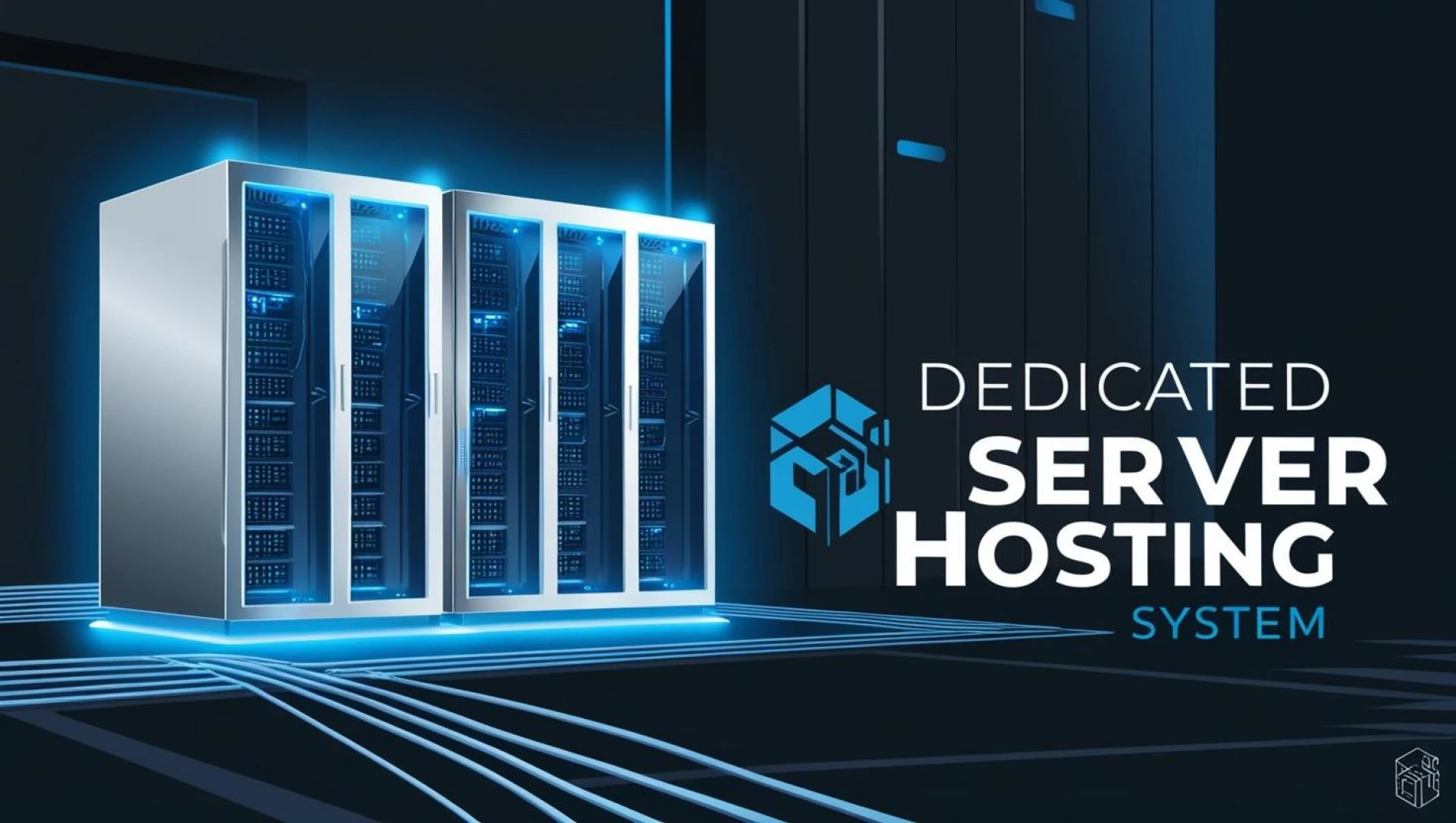
For companies looking for exclusive hardware and greater resource control, a dedicated server india solution can provide a physical server allocated to a single customer. This setup can be useful when applications require reliable CPU, RAM, storage, and network resources without sharing them with other websites.
When Should You Consider Dedicated Infrastructure?
The decision should be based on workload requirements rather than simply website size. A growing website may still perform well on cloud or virtual hosting if its resource requirements are moderate.
However, dedicated infrastructure may become relevant when a business experiences:
- Regular traffic increases
- High CPU or memory usage
- Frequent database activity
- Performance limitations on shared environments
- Large-scale online transactions
- Resource-intensive business applications
- Requirements for customized server configurations
Monitoring actual resource consumption can help businesses determine when a change in infrastructure is justified.
How Does Resource Isolation Help?
With shared hosting, several customers use resources from the same physical machine. Although providers manage these environments to support multiple users, resource demand can vary between applications.
A dedicated environment provides exclusive access to the physical server. This can make resource planning easier because the available processing power, memory, storage, and network capacity are allocated to one organization.
Resource isolation can be particularly useful for applications where consistent performance is important.
What Hardware Should You Evaluate?
Server hardware should be selected according to the application rather than based on specifications alone.
The processor affects computing performance, while RAM influences how effectively applications can handle active processes and data. Storage determines how information is retained and accessed.
For example, a database-heavy application may benefit from fast NVMe storage and sufficient RAM. A processing-intensive application may place greater importance on CPU performance.
Before selecting a configuration, identify which resources are most heavily used by the workload.
Is Network Performance Important?
A powerful server cannot compensate for poor connectivity. Network performance affects how quickly users can communicate with websites, applications, and APIs.
Businesses should review the provider's bandwidth capacity, network architecture, connectivity options, and data center locations. Organizations serving users across India may also consider infrastructure located within the country when network latency is an important factor.
This is especially relevant for interactive applications where users expect quick responses.
What Role Does Server Management Play?
Server administration requires technical knowledge and ongoing attention. Operating systems need updates, applications require maintenance, and security configurations should be reviewed regularly.
Businesses generally have two approaches: managed and self-managed infrastructure.
A self-managed environment can work well for organizations with experienced IT or DevOps teams. They can control software installations, security policies, monitoring, and system configurations.
Managed services may be more suitable for companies that prefer assistance with administration and maintenance. The exact services vary by provider, so businesses should review the management scope before purchasing.
How Can Businesses Protect Their Data?
Security should be considered throughout the server lifecycle. A server should not be treated as secure simply because it is dedicated.
Businesses can establish several protective measures, including:
- Strong administrator credentials
- Multi-factor authentication where available
- Regular operating system updates
- Firewall configuration
- Restricted administrative access
- Malware monitoring
- Regular backups
- Security monitoring
Backups are particularly important because hardware protection does not replace data recovery planning. Businesses should determine how frequently data should be backed up and where backup copies should be stored.
How Much Room Should You Leave for Growth?
Buying exactly enough resources for current requirements can create limitations later. Instead, businesses should estimate how their workload could change over the next several months.
Consider expected increases in website traffic, database size, customer accounts, application usage, storage requirements, and content.
Flexible infrastructure can make it easier to increase resources when demand rises. This can help businesses avoid unnecessary migration work when their applications outgrow the original configuration.
What Should You Compare Before Choosing a Server?
A complete evaluation should include more than the monthly hosting price. Compare processor choices, RAM, storage technology, bandwidth, data center locations, support availability, management options, security features, backup services, and upgrade flexibility.
It is also useful to check whether the provider offers remote management capabilities. Features such as out-of-band server access can help administrators troubleshoot hardware or operating system issues even when normal network access is unavailable.
The right infrastructure should match the application's technical requirements, management capabilities, security expectations, and growth plans. Taking time to evaluate these factors can help businesses build a more dependable hosting environment while keeping resources aligned with actual operational needs.


























Sign in to leave a comment.