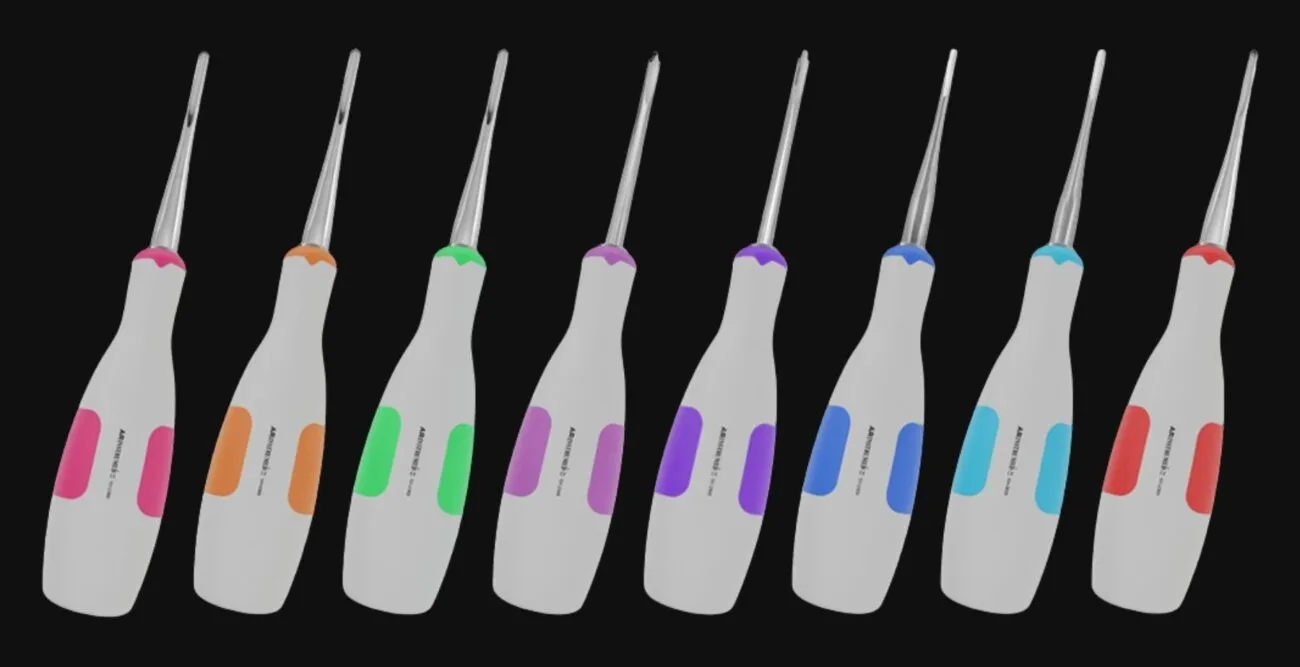

Modern dentistry depends on precision, efficiency, and patient comfort. Every procedure, from routine cleanings to complex oral surgeries, requires tools that allow dental professionals to work with confidence and accuracy. While the quality of the working tips is essential, the design of the instrument handle also plays a significant role in overall performance. Silicone-coated dental instruments have become increasingly popular because they offer enhanced grip, improved comfort, and better control during procedures.

Unlike traditional metal handles, silicone-coated handles are designed to reduce hand fatigue while providing a secure grip even when gloves become wet. These advanced dental instruments help dentists, hygienists, and oral surgeons maintain precision throughout long procedures. As dental technology continues to evolve, ergonomic designs are becoming just as important as clinical performance, making silicone-coated instruments a valuable investment for modern dental practices.
Why Ergonomic Dental Instruments Matter
Dentists perform hundreds of repetitive hand movements every day. Over time, these repetitive motions can cause muscle strain, wrist discomfort, and reduced hand strength. Choosing ergonomic dental instruments helps minimize physical stress while improving overall productivity. Comfortable instruments allow professionals to maintain focus without constantly adjusting their grip.
Silicone-coated handles are specifically developed to provide a softer and more secure surface. This ergonomic design reduces unnecessary pressure on the fingers and palm while supporting natural hand movement. As a result, dental professionals experience greater comfort during lengthy procedures and maintain better instrument control from start to finish.
Better Grip Improves Clinical Accuracy
One of the biggest advantages of silicone-coated dental instruments is their exceptional grip. During many dental procedures, moisture from water spray, saliva, or disinfectants can make traditional metal handles slippery. A secure grip allows clinicians to perform delicate movements with greater confidence and precision.
Improved grip directly contributes to better treatment outcomes. Whether placing restorations, performing periodontal therapy, or handling delicate surgical procedures, stable instrument control reduces the risk of accidental slips. This added precision benefits both dental professionals and patients by improving safety and treatment quality.
Reduced Hand Fatigue During Long Procedures
Long restorative treatments, implant surgeries, and periodontal procedures often require dentists to hold instruments continuously for extended periods. Traditional metal handles can increase pressure on the fingers, leading to discomfort and muscle fatigue. Fatigue may eventually affect concentration and fine motor control.
Silicone-coated handles distribute pressure more evenly across the hand. Their slightly cushioned surface allows professionals to maintain a relaxed grip without sacrificing stability. Reduced fatigue enables clinicians to work comfortably throughout the day while maintaining consistent precision during every procedure.
Enhanced Comfort for Dental Professionals
Comfort plays a significant role in maintaining long-term career health. Many dental professionals experience hand, wrist, or forearm discomfort after years of repetitive clinical work. Investing in ergonomic dental instruments is one practical way to reduce physical stress while improving workplace efficiency.
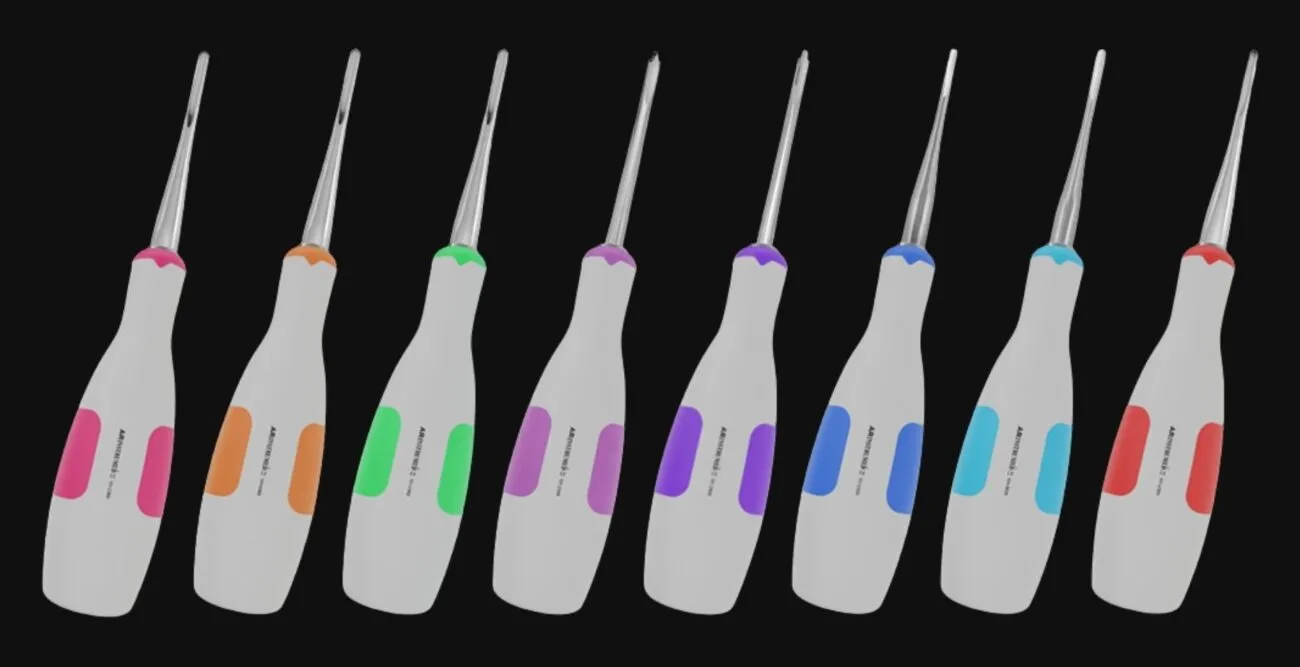
Silicone-coated handles provide a softer contact surface compared to traditional stainless-steel handles. This comfortable design encourages a lighter grip, reducing unnecessary muscle tension. Over time, this ergonomic advantage supports better posture, improved endurance, and greater confidence during demanding clinical procedures.
Improved Control During Surgical Procedures
Precision becomes even more critical during oral surgery and implant procedures. Every movement must be controlled carefully to protect surrounding tissues and achieve predictable results. Silicone-coated dental instruments provide enhanced tactile feedback, allowing clinicians to make precise adjustments throughout treatment.
Better control also improves workflow efficiency. Instruments remain stable in the operator's hand, minimizing interruptions caused by grip adjustments. Whether using extraction instruments, periodontal instruments, or implantology instruments, greater stability contributes to smoother procedures and increased patient safety.
Supporting Better Infection Control
Infection control is a priority in every dental clinic, and the design of an instrument should never compromise sterilization standards. High-quality silicone-coated dental instruments are manufactured using medical-grade silicone that can withstand repeated cleaning, disinfection, and autoclave sterilization. This ensures that the instruments remain safe for everyday clinical use.
Modern silicone coatings are designed to resist cracking, peeling, and discoloration when properly maintained. Combined with premium stainless steel, these dental instruments provide both durability and hygiene. Following the manufacturer's sterilization guidelines helps preserve the integrity of the coating while ensuring consistent clinical performance.
Durability and Long-Term Value
Although silicone-coated instruments may have a slightly higher initial cost than traditional instruments, they often provide greater long-term value. Their ergonomic design reduces wear on the clinician's hands, while high-quality materials maintain their appearance and functionality after repeated use. For busy dental practices, investing in durable instruments can lower replacement costs over time.
Professional-grade dental surgical instruments are designed to withstand demanding clinical environments. When properly cared for, silicone-coated handles maintain their grip and comfort for years. This combination of reliability and durability makes them an excellent investment for general dentists, specialists, and dental hygienists.
Choosing High-Quality Silicone-Coated Dental Instruments
Not every instrument on the market offers the same level of quality. Dental professionals should look for manufacturers that use premium stainless steel, precision engineering, and medical-grade silicone. A well-balanced instrument should feel comfortable in the hand while providing excellent tactile sensitivity during clinical procedures.
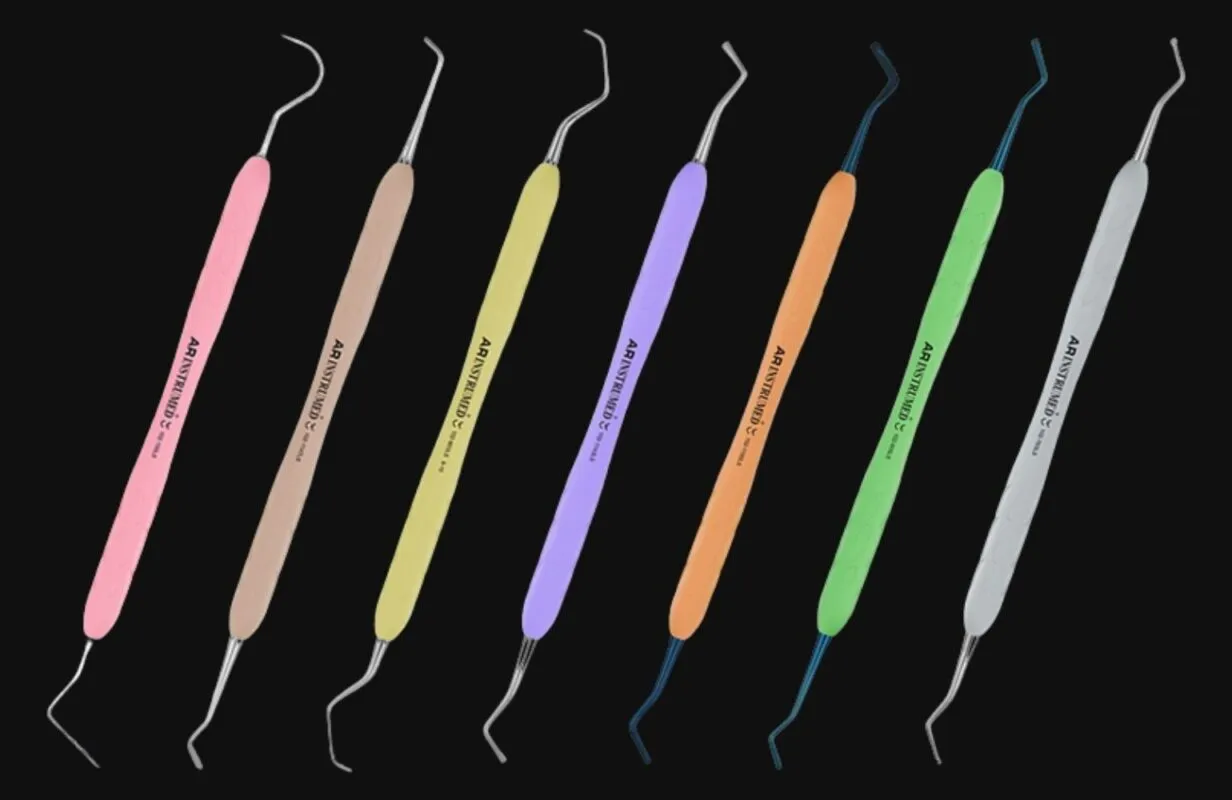
It is also important to choose instruments that match the specific needs of the practice. Whether performing restorative dentistry, orthodontics, implantology, or periodontal treatments, selecting the right precision dental instruments improves efficiency and clinical outcomes. Working with trusted manufacturers ensures consistent quality, durability, and long-term reliability.
The Future of Ergonomic Dental Instruments
The dental industry continues to embrace innovations that improve both clinician performance and patient care. Ergonomic handle designs, lightweight materials, and advanced manufacturing technologies are shaping the next generation of dental instruments. Silicone-coated handles represent one of the most practical advancements because they address comfort without compromising precision.
As dental professionals become more aware of occupational health, ergonomic instruments will continue to gain popularity. Reduced fatigue, improved grip, and enhanced control allow clinicians to work more efficiently while protecting their long-term physical well-being. Investing in modern instrument designs ultimately benefits the entire dental team as well as every patient receiving treatment.
Frequently Asked Questions
1. What are silicone-coated dental instruments?
They are dental instruments with medical-grade silicone handles that provide a more comfortable and secure grip during procedures.
2. Why are silicone-coated handles better than metal handles?
They improve grip, reduce hand fatigue, increase comfort, and offer better control during both routine and complex dental treatments.
3. Can silicone-coated dental instruments be sterilized?
Yes. High-quality silicone-coated instruments are designed to withstand repeated autoclave sterilization and standard infection control procedures.
4. Who benefits the most from silicone-coated dental instruments?
General dentists, oral surgeons, periodontists, orthodontists, and dental hygienists all benefit from improved comfort and precision.
5. Are silicone-coated dental instruments worth the investment?
Yes. Their ergonomic design, durability, and ability to reduce physical strain make them a valuable long-term investment for modern dental practices.
Conclusion
The evolution of silicone-coated dental instruments reflects the growing importance of ergonomics in modern dentistry. While precision remains essential, clinician comfort has become equally important for maintaining consistent performance throughout long procedures. A secure grip, reduced hand fatigue, and improved instrument control allow dental professionals to work with greater confidence and efficiency.
As dental practices continue to adopt advanced technologies, ergonomic dental instruments will play an increasingly important role in delivering high-quality patient care. Choosing premium, well-designed instruments not only enhances clinical accuracy but also supports the long-term health and productivity of dental professionals. By investing in reliable silicone-coated instruments, clinics can improve workflow, treatment outcomes, and overall patient satisfaction for years to come.
























Sign in to leave a comment.