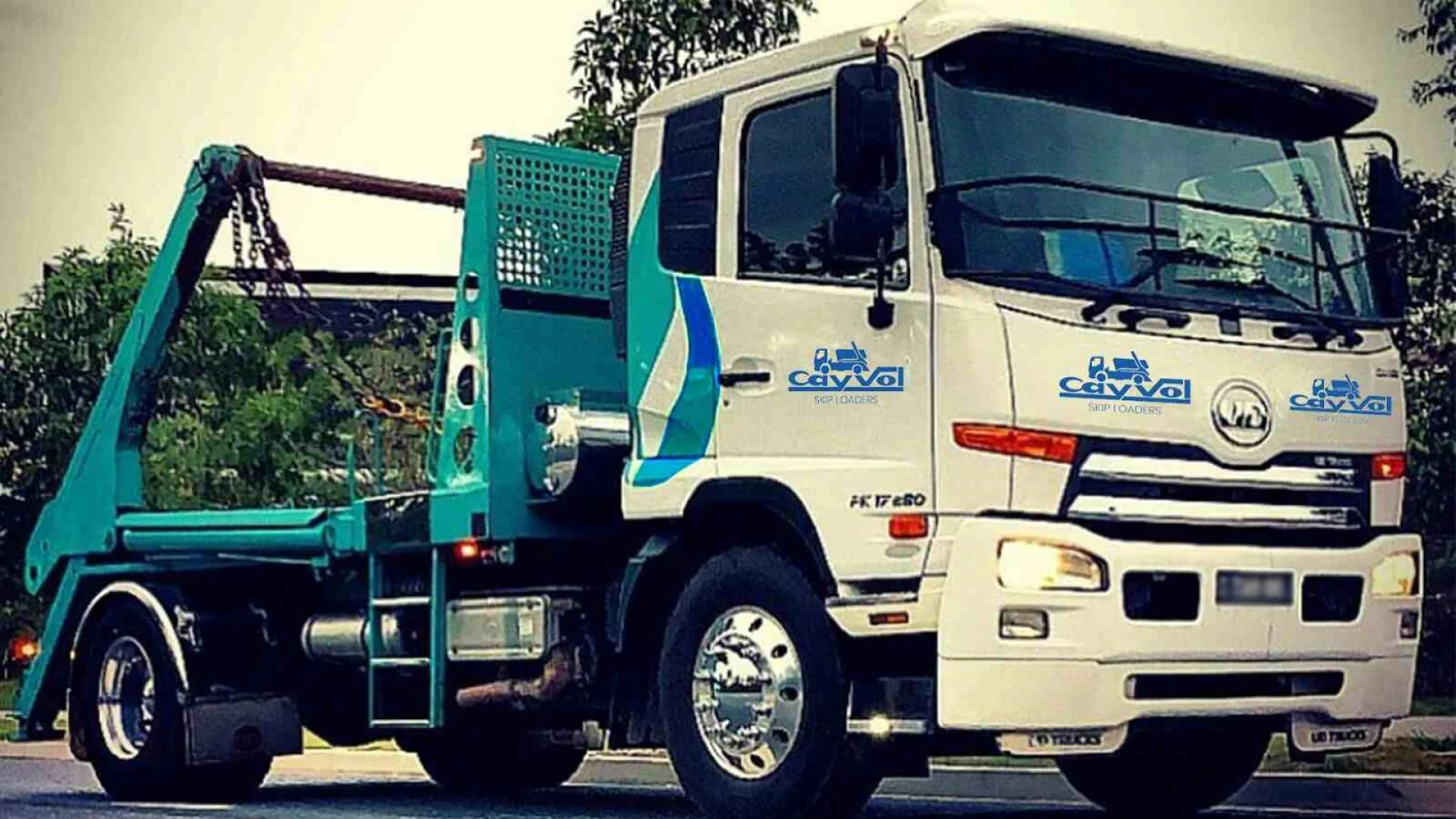

In the quest for sustainable living and environmental conservation, the way we handle waste plays a pivotal role. In recent times, technological advancements have given rise to innovative solutions, with skip bin loaders emerging as a game-changer in waste management. These versatile machines have reshaped the landscape of waste handling, offering efficiency, cost-effectiveness, and eco-friendliness. In this blog, we will delve into the significant impact of skip bin loaders on waste management practices.
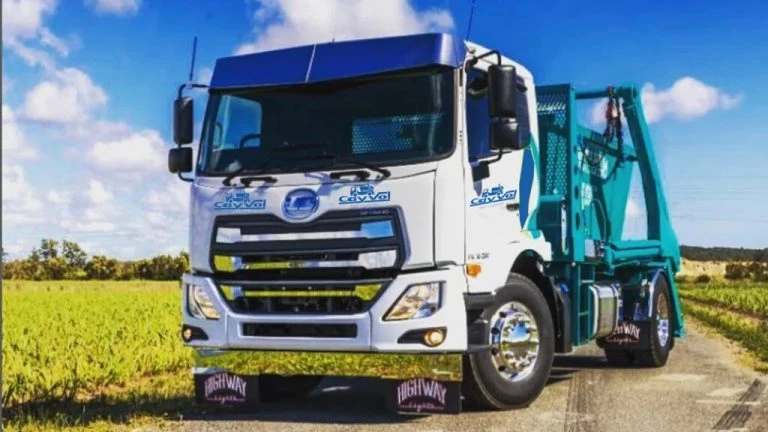
- Efficiency in Collection and Transportation:
One of the key advantages of skip bin loaders is their efficiency in waste collection and transportation. Traditional methods often involve manual labor, which is not only time-consuming but also poses safety risks to workers. Skip bin loaders automate the process, reducing the dependency on human labor and significantly speeding up the collection and transportation of waste.
Equipped with hydraulic systems and powerful mechanisms, skip bin loaders can lift and empty large bins effortlessly. This efficiency is particularly beneficial in urban areas where the volume of waste generated is high. Municipalities and waste management companies are increasingly turning to skip bin loaders to streamline their operations and meet the growing demand for efficient waste handling.
- Versatility and Adaptability:
Skip bin loaders come in various sizes and configurations, making them highly versatile and adaptable to different waste management scenarios. Whether it\'s construction debris, household waste, or green waste from landscaping projects, skip bin loaders can handle a wide range of materials. This adaptability makes them an ideal choice for diverse industries and applications.
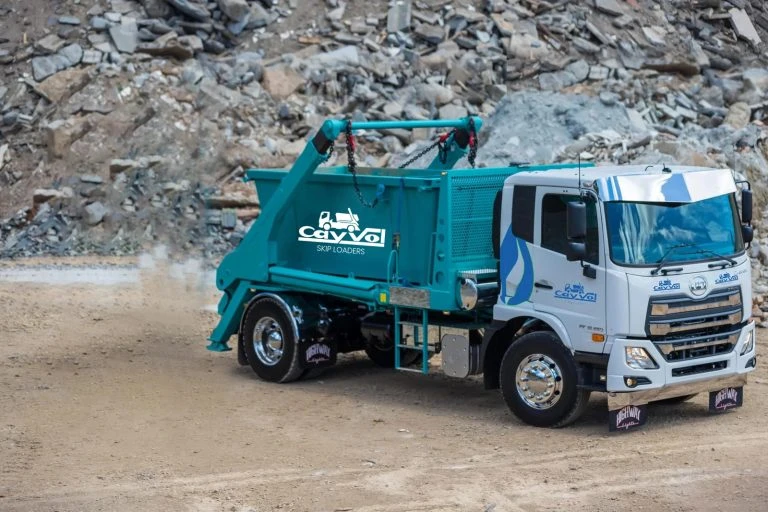
Furthermore, skip bin loaders are designed to navigate tight spaces, making them suitable for urban environments with limited accessibility. This flexibility ensures that waste can be efficiently collected from various locations, contributing to a more comprehensive and systematic waste management strategy.
- Cost-Effective Waste Handling:
Investing in skip bin loaders proves to be a cost-effective solution for waste management operations in the long run. While the initial investment may seem substantial, the efficiency and productivity gains quickly offset the upfront costs. The reduced reliance on manual labor not only minimizes labor expenses but also decreases the risk of workplace injuries, leading to potential savings in insurance and compensation.
Moreover, the versatility of skip bin loaders means that a single machine can be used for various types of waste, eliminating the need for multiple specialized vehicles. This consolidation of resources results in lower operational costs and a more streamlined waste management process.
- Enhanced Safety Measures:
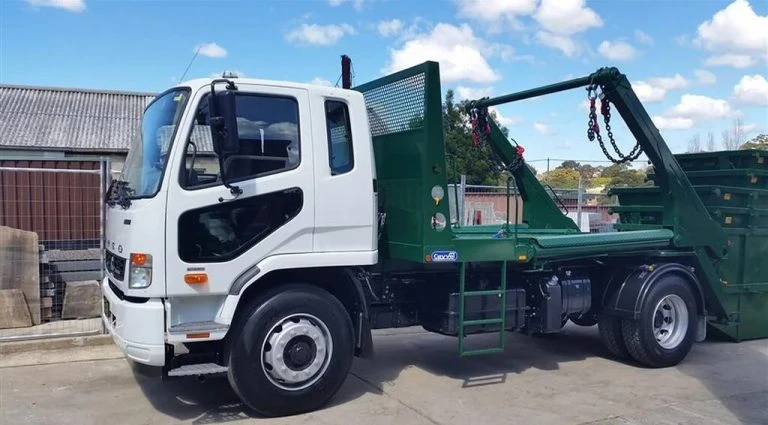
Safety is a paramount concern in waste management, an industry fraught with risks associated with handling heavy and hazardous materials. Skip bin loaders incorporate advanced safety features to mitigate these risks and protect both workers and the environment.
Hydraulic lifting systems and automated bin-emptying mechanisms reduce the need for manual handling, minimizing the risk of injuries. Additionally, skip bin loaders are often equipped with advanced braking systems, stability controls, and ergonomic design features to ensure safe operation. By prioritizing safety, these machines contribute to a healthier and more secure working environment for waste management professionals.
- Environmental Sustainability:
In the global pursuit of sustainability, skip bin loaders align with eco-friendly practices in waste management. By optimizing the collection and transportation process, these machines contribute to the reduction of carbon emissions associated with traditional waste handling methods. The efficiency gains translate to fewer vehicle movements, resulting in lower fuel consumption and a smaller environmental footprint.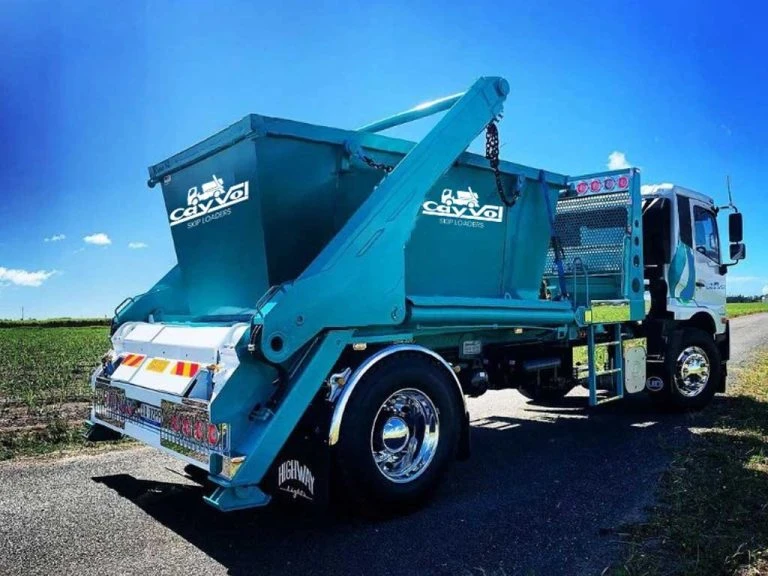
Furthermore, skip bin loaders facilitate the segregation of recyclable materials at the source, promoting recycling initiatives. The ability to handle different types of waste separately enhances the overall effectiveness of recycling programs, diverting more materials away from landfills and towards sustainable reuse.
Conclusion:
The integration of skip bin loaders into waste management practices signifies a positive shift towards more efficient, cost-effective, and sustainable solutions. These machines have proven instrumental in reshaping the landscape of waste handling, offering benefits not only to waste management companies but also to the environment and the communities they serve. As technological advancements continue to drive innovation in this field, skip bin loaders are likely to play an increasingly crucial role in creating a cleaner, safer, and more sustainable future.




Sign in to leave a comment.