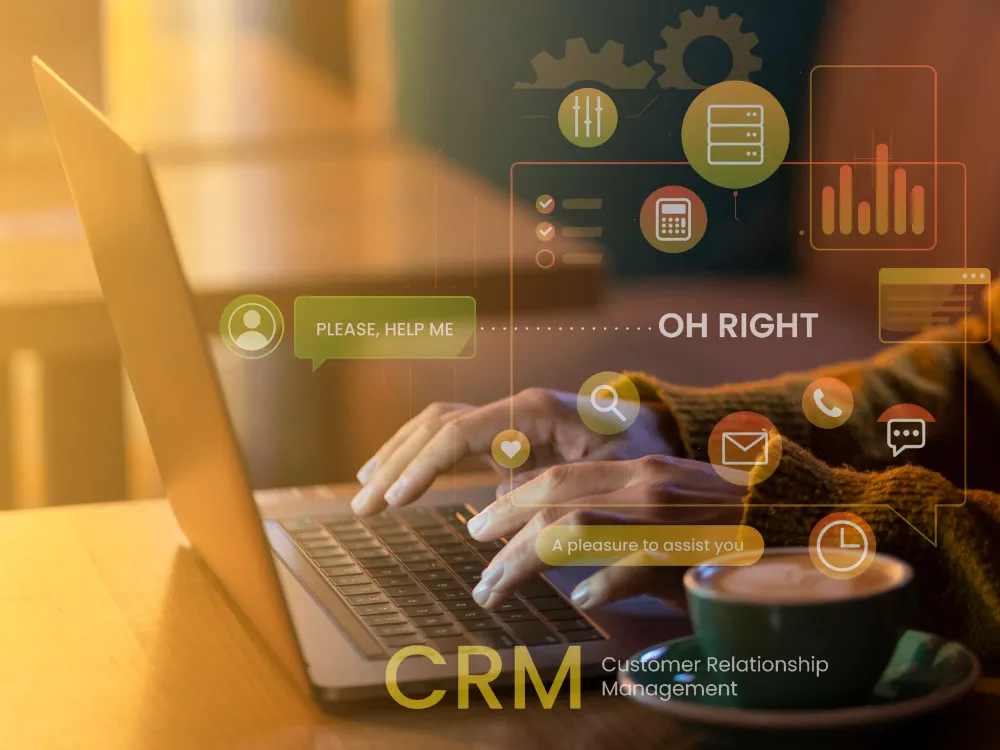

Running a small business often feels like juggling ten things at once—managing leads, following up with customers, tracking sales and trying to grow at the same time. The challenge isn’t just getting more customers; it’s managing them efficiently without losing opportunities. That’s where a smart CRM system becomes a game-changer.
A well-implemented CRM (Customer Relationship Management) system doesn’t just organize your data—it helps you scale faster, smarter and with less stress. Let’s break down how small businesses can unlock real growth using the right CRM approach.
What Is a CRM System and Why It Matters
A CRM system is a tool that helps businesses manage interactions with current and potential customers. It stores contact details, tracks communication and organizes sales pipelines in one place.
But modern CRMs go beyond storage. They provide automation, insights and personalization, allowing businesses to focus more on growth and less on manual tasks.
For small businesses, this means:
- No more lost leads
- Better customer relationships
- Faster decision-making
1. Centralizing Customer Data for Better Control
One of the biggest issues small businesses face is scattered information. Customer data is often spread across emails, spreadsheets and notes.
A CRM solves this by creating a single source of truth.
With everything in one place, you can:
- Access customer history instantly
- Track previous conversations
- Understand buying behavior
This clarity allows you to make smarter decisions and provide a more personalized customer experience, which is key to scaling.
2. Automating Repetitive Tasks
Time is one of the most valuable resources for any small business. A smart CRM helps save time by automating routine tasks like:
- Sending follow-up emails
- Assigning leads to team members
- Scheduling reminders
- Updating deal stages
Instead of manually tracking every interaction, the system handles it for you. This frees up time to focus on strategy, sales and customer relationships.
Automation also ensures consistency—no lead is forgotten and every customer gets timely attention.
3. Improving Lead Management and Conversion Rates
Scaling a business requires a steady flow of leads—and more importantly, converting them into customers.
A CRM helps you:
- Capture leads from multiple sources
- Track where each lead is in the sales funnel
- Prioritize high-value prospects
With better visibility, you can focus your efforts where they matter most.
Smart CRMs also offer lead scoring, which ranks prospects based on their likelihood to convert. This allows your team to work efficiently and close deals faster.
4. Enhancing Customer Relationships
Growth isn’t just about acquiring new customers—it’s also about retaining existing ones.
A CRM helps you build stronger relationships by:
- Personalizing communication
- Tracking customer preferences
- Sending timely follow-ups
When customers feel understood and valued, they are more likely to return and recommend your business.
This leads to higher customer lifetime value, which is essential for sustainable growth.
5. Data-Driven Decision Making
Scaling without data is like driving without direction. A CRM provides real-time insights into your business performance.
You can analyze:
- Sales trends
- Conversion rates
- Customer behavior
- Team performance
These insights help you identify what’s working and what’s not.
Instead of guessing, you make informed decisions that drive growth. This is especially important for small businesses where every move counts.
6. Better Team Collaboration
As your business grows, so does your team. Without proper coordination, things can quickly become chaotic.
A CRM ensures everyone is on the same page by:
- Sharing customer information
- Tracking tasks and responsibilities
- Providing updates in real time
This improves communication and reduces misunderstandings.
When your team works together efficiently, your business can scale without friction.
7. Scalability Without Complexity
Many small businesses hesitate to adopt new systems because they fear complexity. But modern CRMs are designed to grow with your business.
You can start small and gradually expand features as needed:
- Add more users
- Integrate with other tools
- Customize workflows
This flexibility allows you to scale at your own pace without overwhelming your operations.
8. Boosting Sales Productivity
A CRM doesn’t just organize—it empowers your sales process.
With features like:
- Pipeline tracking
- Automated reminders
- Performance dashboards
Your team can focus on closing deals instead of managing data.
This leads to faster sales cycles and increased revenue, both of which are crucial for scaling.
9. Delivering a Consistent Customer Experience
Consistency is key to building trust. A CRM ensures that every customer interaction is smooth and professional.
Whether it’s a first inquiry or a repeat purchase, your team has access to the same information, ensuring:
- Consistent messaging
- Faster response times
- Better service quality
A strong customer experience directly impacts growth by increasing loyalty and referrals.
10. Gaining a Competitive Advantage
Small businesses often compete with larger companies that have more resources. A smart CRM levels the playing field.
By using data, automation and personalization, you can:
- Respond faster than competitors
- Offer better service
- Build stronger relationships
This gives you a significant edge in a crowded market.
How to Choose the Right CRM for Your Business
Not all CRMs are created equal. To get the best results, choose a system that:
- Is easy to use
- Fits your business size and goals
- Offers automation features
- Provides useful analytics
- Integrates with your existing tools
The right CRM should feel like a support system—not an added burden.
Scaling a small business doesn’t have to be overwhelming. With the right tools in place, growth becomes more structured and manageable.
A smart CRM system helps you organize your data, automate tasks, improve customer relationships and make better decisions—all while saving time and effort. It turns scattered processes into a streamlined system that supports consistent growth.
If you want to scale faster without burning out, investing in a CRM isn’t just an option—it’s a strategic move. The sooner you implement it, the sooner you’ll start seeing the benefits of smarter, more efficient growth.
Frequently Asked Questions
What is a CRM system and how can it help my small business?
A CRM system, or Customer Relationship Management system, helps businesses manage interactions with current and potential customers. It centralizes customer data, automates tasks, and provides insights that can enhance customer relationships, streamline operations, and ultimately drive growth.
How does a CRM improve lead management?
A CRM improves lead management by capturing leads from various sources and tracking their progress through the sales funnel. It allows businesses to prioritize high-value prospects and utilize lead scoring, which ranks leads based on their likelihood to convert, making it easier to focus on the most promising opportunities.
Can a CRM system really save me time?
Yes, a CRM system can save significant time by automating repetitive tasks such as sending follow-up emails, scheduling reminders, and updating deal stages. This automation reduces the manual workload, allowing you to focus more on strategy and customer relationships.
What are the advantages of using a CRM for customer relationship building?
A CRM enhances customer relationships by facilitating personalized communication, tracking customer preferences, and ensuring timely follow-ups. When customers feel valued and understood, they are more likely to return and recommend your business, thereby increasing customer lifetime value.
Is a CRM system complicated to implement for small businesses?
Modern CRMs are designed to be user-friendly and scalable, allowing small businesses to start small and expand features as needed. This flexibility means you can implement a system that grows with your business without overwhelming your operations.
How can a CRM help in making data-driven decisions?
A CRM provides real-time insights into various aspects of your business, such as sales trends and customer behavior. This data allows you to identify what strategies are working or not, enabling informed decisions that can drive sustainable growth.
What should I consider when choosing a CRM for my business?
When selecting a CRM, consider factors such as ease of use, compatibility with your business size and goals, available automation features, useful analytics, and integration capabilities with existing tools. The right CRM should support your operations without adding unnecessary complexity.
Can a CRM system give my small business a competitive advantage?
Absolutely! A CRM can level the playing field by enabling small businesses to respond faster than competitors, provide better service, and build stronger customer relationships. By leveraging data and automation, you can gain a significant edge in a crowded market.



























Sign in to leave a comment.