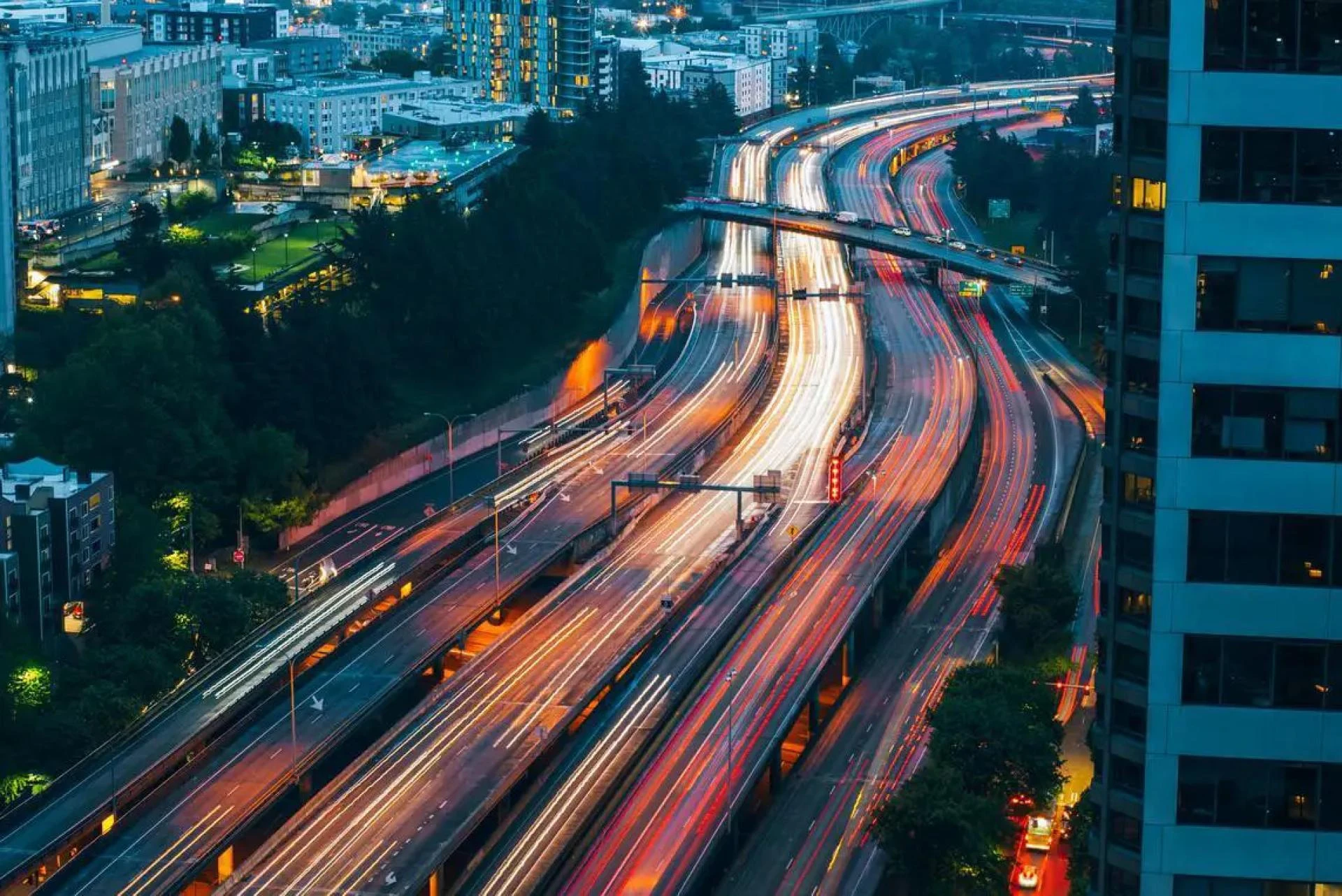

Imagine a city where traffic lights adjust themselves to the flow of vehicles, where cars communicate with each other to prevent accidents, and where finding a parking spot is as easy as tapping a button. This is not the distant future; it\'s happening now in the world\'s rapidly developing smart cities. As urban areas embrace technology, they transform not just how we live but how we move. How exactly are these innovations reshaping road safety and traffic management, and what does this mean for the future of our cities? Dive into the fascinating world of smart cities and discover how they are revolutionizing urban mobility in ways that were once the stuff of science fiction.
The Rise of Smart Cities: A New Era of Urban Living
Smart cities utilize information and communication technology (ICT) to improve urban infrastructure and services. The integration of technologies such as the Internet of Things (IoT), artificial intelligence (AI), and big data analytics allows cities to collect and analyze data in real-time, leading to more informed decision-making. This technological approach aims to optimize resource management, enhance public safety, and improve the overall quality of life for citizens.
Cities like Singapore are leading the charge, using a sophisticated network of sensors and cameras to manage traffic efficiently. Barcelona and Amsterdam are integrating IoT applications to improve waste management and energy efficiency. These cities are at the forefront of innovation, setting benchmarks for urban centers worldwide.
Intelligent Traffic Management Systems
One of the primary components of smart cities is intelligent traffic management systems (ITMS). These systems use data collected from various sources, such as sensors, cameras, and connected vehicles, to monitor and manage traffic flow. Key features of ITMS include:
- Real-Time Traffic Monitoring: Sensors and cameras installed at intersections and along roadways provide real-time data on traffic conditions. This information is used to adjust traffic signals dynamically, reducing congestion and improving traffic flow.
- Adaptive Traffic Signals: Unlike traditional traffic signals with fixed timing, adaptive signals adjust their timing based on real-time traffic conditions. This leads to reduced waiting times at intersections and decreased travel times for commuters.
- Incident Detection and Management: ITMS can quickly identify traffic incidents, such as accidents or road closures, and notify relevant authorities. This allows for faster response times and minimizes the impact of incidents on traffic flow.
Enhancing Road Safety with Smart Technology
Smart cities prioritize road safety by implementing technology-driven solutions to reduce accidents and enhance the safety of all road users. Key initiatives include:
- Connected Vehicles and V2X Communication: Vehicle-to-everything (V2X) communication enables vehicles to communicate with each other and with infrastructure. This technology can alert drivers to potential hazards, such as pedestrians or cyclists, improving situational awareness and reducing the likelihood of collisions.
- Predictive Analytics for Accident Prevention: By analyzing historical accident data and real-time traffic information, smart cities can identify high-risk areas and implement targeted interventions to prevent accidents. These interventions may include changes to road design, additional signage, or increased enforcement of traffic laws.
- Smart Pedestrian Crossings: Pedestrian safety is a critical concern in urban areas. Smart pedestrian crossings use sensors to detect when pedestrians are present and automatically activate crossing signals. Some systems also use LED lights embedded in the pavement to enhance visibility for drivers.
Reducing Traffic Congestion Through Smart Solutions
Traffic congestion is a significant challenge for urban areas, leading to increased travel times, fuel consumption, and air pollution. Smart cities employ various strategies to reduce congestion and improve mobility:
- Intelligent Parking Systems: Finding parking in busy urban areas can be time-consuming and contributes to congestion. Intelligent parking systems use sensors to identify available parking spaces and guide drivers to them, reducing the time spent searching for parking and minimizing traffic congestion.
- Public Transportation Integration: Smart cities encourage the use of public transportation by integrating it with other transportation modes. Real-time information on bus and train schedules, combined with mobile payment options, makes public transit more convenient and appealing to commuters.
- Ride-Sharing and Carpooling Initiatives: To reduce the number of vehicles on the road, smart cities promote ride-sharing and carpooling services. These initiatives not only decrease traffic congestion but also reduce emissions and improve air quality.
The Role of Data in Smart Traffic Management
Data plays a crucial role in the success of smart cities. The collection and analysis of data from various sources enable cities to make informed decisions and optimize traffic management strategies. Key aspects of data utilization include:
- Big Data Analytics: Analyzing large volumes of traffic data allows cities to identify patterns and trends, leading to more effective traffic management strategies.
- Machine Learning Algorithms: Machine learning algorithms can predict traffic conditions and optimize traffic signal timing, improving traffic flow and reducing congestion.
- Open Data Platforms: Some smart cities provide open data platforms, allowing researchers, developers, and the public to access and use traffic data. This fosters innovation and collaboration in developing new traffic management solutions.
Implications for Urban Living
The transformation of road safety and traffic management in smart cities has significant implications for urban living. These advancements lead to safer roads, reduced congestion, and improved air quality, contributing to a higher quality of life for residents. Moreover, the integration of technology in urban infrastructure attracts investment and talent, driving economic growth and development.
Towing in a High-Tech World: Embracing Innovation on the Roads
Despite the technological evolution in smart cities, accidents and unexpected events on the road remain inevitable. However, with advancements in technology, the response to these incidents, including services like towing, is becoming increasingly tech-based, innovative, and smart. Modern towing services leverage real-time data analytics and GPS technology to provide faster response times, ensuring that help arrives when it\'s needed most.
For instance, 24-hour emergency towing services now use intelligent dispatch systems that optimize routes, reducing wait times and enhancing efficiency. These systems allow service providers to locate stranded vehicles quickly and deploy the nearest available tow truck, minimizing disruptions to drivers\' schedules.
In the case of road accidents, accident towing services are equipped with advanced tools that facilitate safer and more efficient vehicle recovery. This includes the use of digital documentation and communication technologies that streamline the process of reporting and managing accidents, allowing for smoother interactions between drivers, towing operators, and insurance companies.
These tech-driven innovations ensure that roadside assistance is not just reactive but also proactive, anticipating the needs of drivers and providing solutions that align with the fast-paced demands of modern urban living.
Driving Toward a Smarter Future
Smart cities are revolutionizing road safety and traffic management, creating safer and more efficient urban environments. Through the integration of technology, cities can reduce congestion, improve mobility, and enhance the safety of all road users. As urban areas continue to evolve, the role of roadside assistance and towing services will also transform, with companies like Flash Towing Surrey leading the way in providing innovative and reliable solutions to meet the needs of modern drivers. By embracing the advancements of smart cities, we can pave the way for a brighter and more sustainable future for urban living.











Sign in to leave a comment.