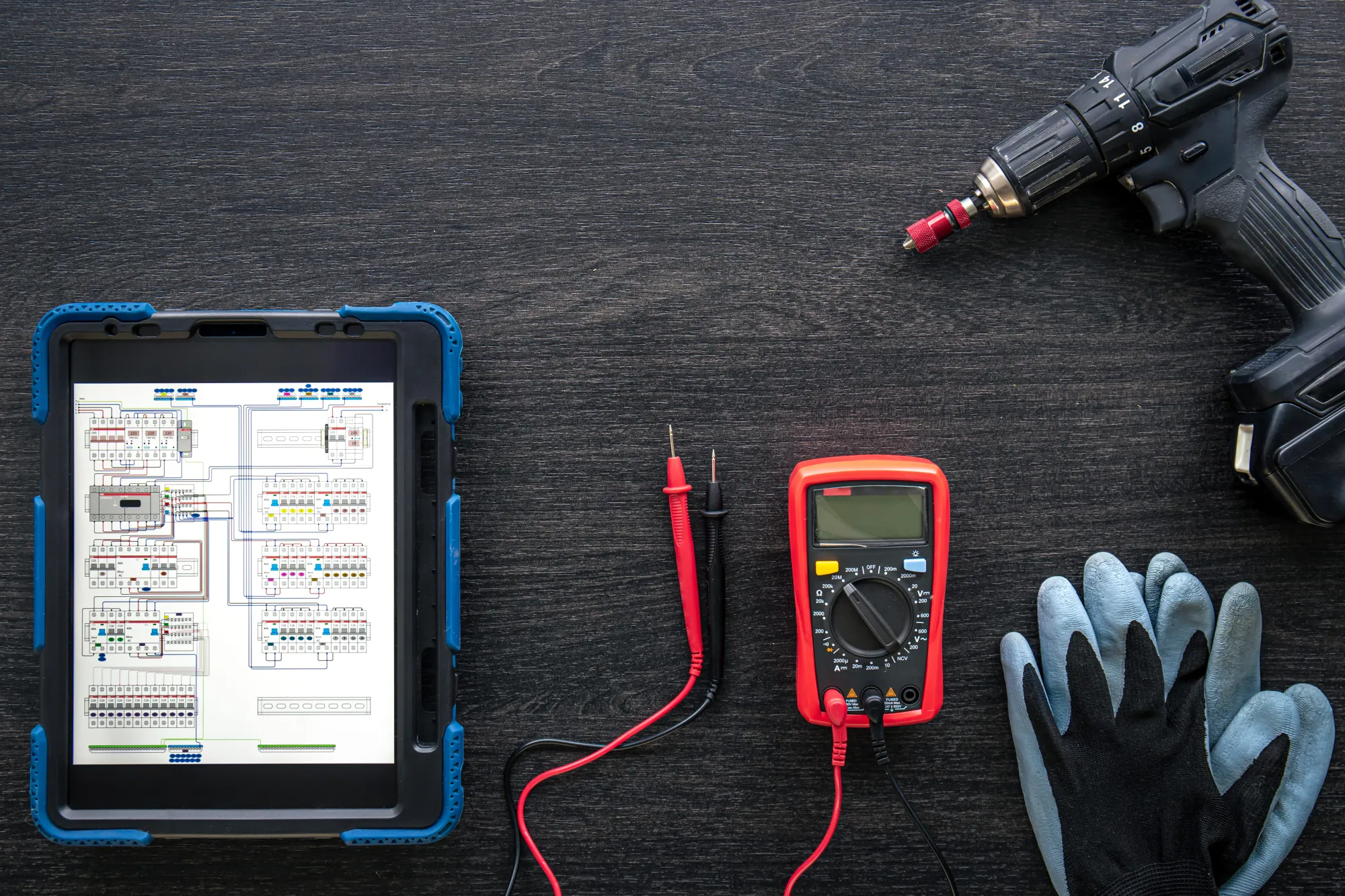

Electrical estimating has evolved significantly over the past decade. Traditional manual estimating methods that once relied heavily on spreadsheets, paper plans, and hand calculations are now being replaced by advanced digital estimating platforms and cloud-based technologies.
As construction projects become more complex and competitive, contractors and estimators across Melbourne are increasingly adopting software solutions to improve estimating accuracy, reduce manual workload, and support faster project delivery.
Modern estimating software is changing how electrical contractors approach takeoffs, budgeting, procurement planning, and project management, helping businesses improve operational efficiency while adapting to the growing demands of the construction industry.
The Shift From Manual Estimating to Digital Workflows
Traditional electrical estimating often involved reviewing printed drawings manually, calculating quantities by hand, and updating pricing through spreadsheets.
While experienced estimators still play a critical role in project planning, software has transformed many time-consuming parts of the estimating process.
Modern estimating platforms now support:
- Digital takeoffs
- Automated quantity counting
- Material databases
- Labour calculations
- Cloud collaboration
- Real-time pricing updates
- Project reporting
Cloud-based estimating systems such as Groundplan and Countfire help electrical contractors streamline estimating workflows and improve project visibility.
These technologies are helping businesses move away from fragmented manual processes toward more connected and scalable estimating systems.
Faster and More Accurate Electrical Takeoffs
One of the biggest advantages of estimating software is faster digital takeoff capability.
Modern electrical estimating platforms can automate parts of the takeoff process by:
- Counting symbols on drawings
- Measuring cable runs
- Generating quantities
- Tracking revisions
- Organising project data
Software providers such as Conest Software Systems and McCormick Systems offer integrated takeoff and estimating solutions specifically designed for electrical contractors.
Automated takeoff tools help reduce manual errors while allowing estimators to complete more bids in less time.
This increased efficiency is especially important in Melbourne’s competitive construction market, where contractors often work on multiple tenders simultaneously.
Improved Accuracy Reduces Project Risk
Estimating accuracy plays a major role in project profitability.
Manual estimating processes can increase the risk of:
- Missed materials
- Incorrect labour calculations
- Pricing inconsistencies
- Scope gaps
- Cost overruns
Modern software platforms use integrated databases, predefined assemblies, and automated calculations to improve consistency across estimates.
Many systems now include:
- Real-time material pricing
- Pre-built assemblies
- Labour factoring tools
- Digital revision tracking
- Automated reporting
Solutions such as Trimble Accubid Anywhere and IntelliBid by Conest are designed to help contractors produce more accurate and consistent estimates for commercial and industrial projects.
Improved estimating accuracy helps businesses reduce financial risk and improve bid confidence.
Cloud-Based Collaboration Is Improving Workflow Efficiency
Cloud technology is changing how estimating teams collaborate on projects.
Many modern estimating platforms now allow teams to:
- Access projects remotely
- Collaborate in real time
- Share revisions instantly
- Standardise estimating templates
- Manage multi-office operations
Cloud-based systems support hybrid work environments and allow estimators, project managers, and contractors to work more efficiently across locations.
For growing businesses, cloud collaboration improves operational flexibility and project coordination.
Platforms such as Groundplan highlight cloud-based estimating and team collaboration as key advantages for modern construction businesses.
Software Is Helping Contractors Respond Faster to Tender Opportunities
Construction tender timelines are often tight, particularly in fast-moving commercial and infrastructure projects.
Estimating software helps contractors respond more quickly by reducing time spent on repetitive manual tasks.
Automation tools can assist with:
- Faster quantity takeoffs
- Quicker revisions
- Automated calculations
- Standardised reporting
- Template-based estimating
Faster estimating workflows allow contractors to:
- Submit more bids
- Improve response times
- Increase estimating capacity
- Focus more on project analysis and strategy
This can create a competitive advantage in Melbourne’s growing commercial construction sector.
Integration With Project Management Systems
Modern estimating software increasingly integrates with broader construction management platforms.
This allows businesses to connect estimating with:
- Procurement systems
- Scheduling tools
- Project management software
- Cost tracking platforms
- Financial reporting systems
Integrated workflows improve visibility across the entire project lifecycle and help businesses maintain stronger cost control after project award.
Some platforms also support:
- Change order tracking
- Material purchasing
- Labour tracking
- Budget forecasting
Connected project workflows help reduce information gaps between estimating and project delivery teams.
AI and Automation Are Influencing the Future of Estimating
Artificial intelligence and automation technologies are beginning to influence electrical estimating workflows.
Some newer estimating platforms now use AI-assisted features for:
- Automated symbol recognition
- Smart quantity detection
- Drawing comparison
- Specification analysis
- Predictive estimating support
While AI tools are still evolving, they are helping reduce repetitive tasks and improve workflow efficiency.
Industry discussions on Reddit show growing interest in AI-assisted estimating tools, although many professionals still believe experienced estimators remain essential for accurate project analysis.
Better Data Management and Reporting
Estimating software also improves project data management.
Modern systems allow businesses to:
- Store historical project data
- Compare estimate performance
- Track pricing trends
- Standardise estimating processes
- Generate detailed reports
This helps businesses improve long-term estimating consistency and refine future project planning strategies.
Data-driven estimating can also support better decision-making during bidding and procurement stages.
Supports More Complex Commercial Projects
Commercial electrical projects are becoming increasingly sophisticated due to the growth of:
- Smart building systems
- Data infrastructure
- Automation technology
- Energy-efficient systems
- Integrated communication networks
Software tools help estimators manage complex project requirements more effectively by organising large quantities of project information and supporting detailed cost analysis.
Digital estimating platforms are especially valuable for large-scale:
- Commercial fitouts
- Healthcare projects
- Industrial facilities
- Infrastructure developments
- Smart office installations
As projects continue to evolve, digital estimating systems are becoming increasingly important for maintaining project accuracy and efficiency.
Why Software Adoption Continues to Grow
Electrical contractors across Melbourne are facing increasing pressure to improve efficiency, maintain profitability, and deliver accurate project pricing in competitive markets.
Software adoption continues to grow because it helps businesses:
- Reduce manual workload
- Improve estimating accuracy
- Increase bid capacity
- Streamline workflows
- Improve collaboration
- Support scalable operations
While experienced estimators remain essential to successful project planning, digital tools are helping businesses modernise their estimating processes and adapt to evolving industry demands.
Businesses looking to improve estimating efficiency and project planning may also explore professional electrical estimating services through Estimating Solutions Australia for commercial and construction projects in Melbourne.
Frequently Asked Questions
What is electrical estimating software?
Electrical estimating software helps contractors calculate project costs, perform takeoffs, manage labour calculations, and create project estimates more efficiently.
How does software improve electrical estimating?
Software improves estimating by automating calculations, reducing manual errors, supporting digital takeoffs, and improving workflow efficiency.
Can estimating software reduce project costs?
More accurate estimating can help reduce unexpected costs, minimise project variations, and improve budgeting accuracy throughout construction.
Is AI replacing electrical estimators?
AI tools are assisting with repetitive tasks and automation, but experienced estimators remain essential for analysing project scope, specifications, and construction requirements.
Why are Melbourne contractors using estimating software?
Melbourne contractors are adopting software to improve estimating speed, increase bid capacity, enhance collaboration, and support more accurate project planning.
Conclusion
Software is transforming electrical estimating by improving accuracy, streamlining workflows, and helping contractors respond more efficiently to modern construction demands. From cloud collaboration and automated takeoffs to AI-assisted tools and integrated project management systems, digital technology is reshaping how electrical estimates are prepared and managed.
As Melbourne’s construction industry continues evolving, businesses that adopt modern estimating solutions are often better positioned to improve efficiency, reduce project risk, and support scalable long-term growth.































Sign in to leave a comment.